Explore verified senior-friendly travel destinations that are age-aware and accessibility-focused, designed to help travelers feel safe, supported, and respected. Because accessibility, safety, and dignity matter.
Asheville can be a lovely choice for travelers 60+ who enjoy mountain scenery, arts and culture, and good food — and who are reasonably mobile and comfortable navigating a small city. It’s not difficult, but it does require awareness. Hills, uneven sidewalks, and some ongoing downtown “quality-of-life” issues mean Asheville works best for seniors who like walkable neighborhoods with a plan, not spontaneous wandering.
Asheville offers a compact downtown, four-season mountain beauty, and a strong arts and food scene that appeals to older travelers who prefer shorter walks, interesting neighborhoods, and meaningful local culture over long driving days.
The city has been investing in pedestrian improvements through its “Close the GAP” initiative, which focuses on building and upgrading sidewalks, crossings, and greenways to be more ADA-compliant. That’s progress — but it’s still a work in progress.
Central Asheville is often described as very walkable on paper, and if you stay in the right spot, many restaurants, galleries, and shops are close together. The reality is that hills, cracked sidewalks, and missing curb ramps still exist in places.
The farm-to-table food scene is real—30+ craft breweries, James Beard-recognized restaurants, and weekly farmers markets. You won't struggle to eat well here.
Another strong plus: excellent medical care. Mission Hospital is a regional trauma and stroke center with geriatric services, which matters when you’re traveling at 60+.
Generally safe city with a walkable, flat downtown core. Visible street ambassadors patrol the center. Main risks are panhandling (not dangerous, just persistent) and car break-ins. Stick to well-lit areas after dark and you'll be fine.
Asheville is generally polite and welcoming to Black visitors, but the Black population is small and representation is limited. Most Black seniors feel comfortable visiting, not singled out — just don’t expect a strong sense of cultural community.
Bottom line: Asheville works best for seniors who enjoy walkable neighborhoods, scenic day trips, and want reliable healthcare nearby — and who are comfortable being a little selective about where and when they walk.
Cultural Experiences
Mountain/Nature Destinations
United States
Solo Safety Rating
Value Rating
Kim's Insider Tips
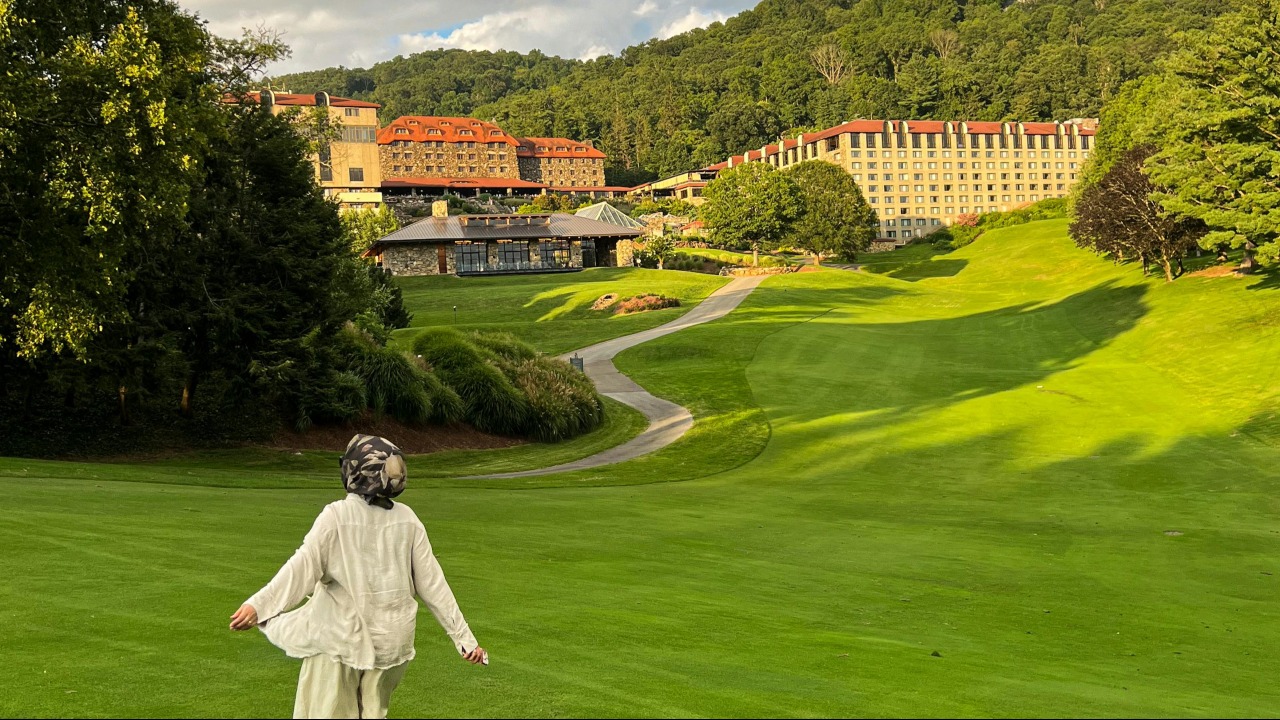
Asheville is open and mostly recovered — about 90% of the city, including downtown, South Asheville, and the airport, is welcoming visitors. Some areas like the River Arts District are still rebuilding, and visiting right now genuinely helps the local economy. Downtown proper is fairly flat and manageable, but once you step outside the core, the hills are real. Plan routes, pace yourself, and don’t assume “walkable” means easy. Accessibility is mixed: some breweries and older buildings have stairs, so it’s smart to call ahead. Biltmore Estate does accessibility well — gardens, shuttles, wheelchairs, and even reduced tickets if you can’t access everything. You don’t have to hike to enjoy the Blue Ridge; many overlooks, visitor centers, Price Lake, and Looking Glass Falls are accessible right from the car. Don’t skip the Omni Grove Park Inn — even just a drink at sunset is worth it. Go midweek if you can; weekends are crowded. Expect panhandling downtown more than true scams — a polite “no” works. Lock your car, stay in well-lit areas at night, and use ride-share if needed. For food, skip the tourist traps and try Early Girl Eatery or City Bakery. If hiking isn’t your thing, the Parkway drive and nearby towns like Brevard or Blowing Rock make an easy, beautiful day without overdoing it.
Let me be clear with you.
Medellín is not the dangerous place you may remember from old news stories.
Today, it’s one of the most comfortable cities in Latin America. That’s why so many retirees end up here.
The weather stays in the low 70s all year.
No hot summers.
No cold winters.
Just easy, comfortable days.
Getting around is simple. The metro is clean and reliable. The cable cars let you see the whole valley while you sit and ride — no climbing steep hills.
What I like most is how close everything is.
Groceries.
Pharmacies.
Parks.
Great coffee.
You’re usually just a short taxi or metro ride away, not stuck in long drives.
Healthcare here is very good. Hospitals are modern and well-run. Many doctors speak English and trained in the U.S. or Europe. And the cost is much lower than in the States.
If you're Black, here's something you won't hear about most destinations: Medellín actually feels comfortable. Black travelers consistently say skin color matters less here than back home. There's a visible Afro-Colombian community, Black-owned businesses like Sweet Georgia Cafe in Laureles, and annual celebrations like the Black Joy Parade. You won't be stared at like a spectacle. You'll just be another person enjoying the city.
You still need common sense. Sidewalks can be uneven. Traffic moves fast. And like any big city, it’s smart to stay aware, especially at night.
But day to day?
Medellín is calm, livable, and surprisingly easy.
Black Friendly
Budget-Friendly for Fixed-Income Travelers
Extended Stay
Medical Tourism Destination
South America
Solo Safety Rating
Value Rating
Kim's Insider Tips
Learn “No Dar Papaya” — and live it
In Colombia, people say “No dar papaya.”
It means don’t make it easy for someone to take advantage of you.
Here’s what that looks like in real life:
Keep your phone put away.
Don’t walk with it in your hand.
Only take photos in safe places.
Some thieves use motorbikes to grab phones fast.
Walk facing traffic.
This helps you see what’s coming and keeps bags from being grabbed from behind.
Drink the tap water.
The water in Medellín is clean and safe.
It tastes good and meets high safety standards.
You don’t need bottled water here.
Use the Metro.
It’s clean, calm, and easy to use.
Young people often give seats to older adults.
Most places you want to see are near Metro or cable car stops.
Eat the “Menu del Día.”
From noon to about 3 p.m., many restaurants serve a full lunch for a low price.
You usually get soup, a main dish, and a drink.
This is how locals eat — good food, fair price.
Skip Escobar tours.
Many locals don’t like them.
That time caused real pain for the city.
If you’re curious, learn the history quietly on your own.
People here are friendly.
Smiles and small talk are normal.
It’s okay to enjoy that warmth.
Just don’t go home with someone you just met.
Medellín is welcoming.
Just stay smart, calm, and low-key — and you’ll do just fine.
Let me be real with you about Cuenca.
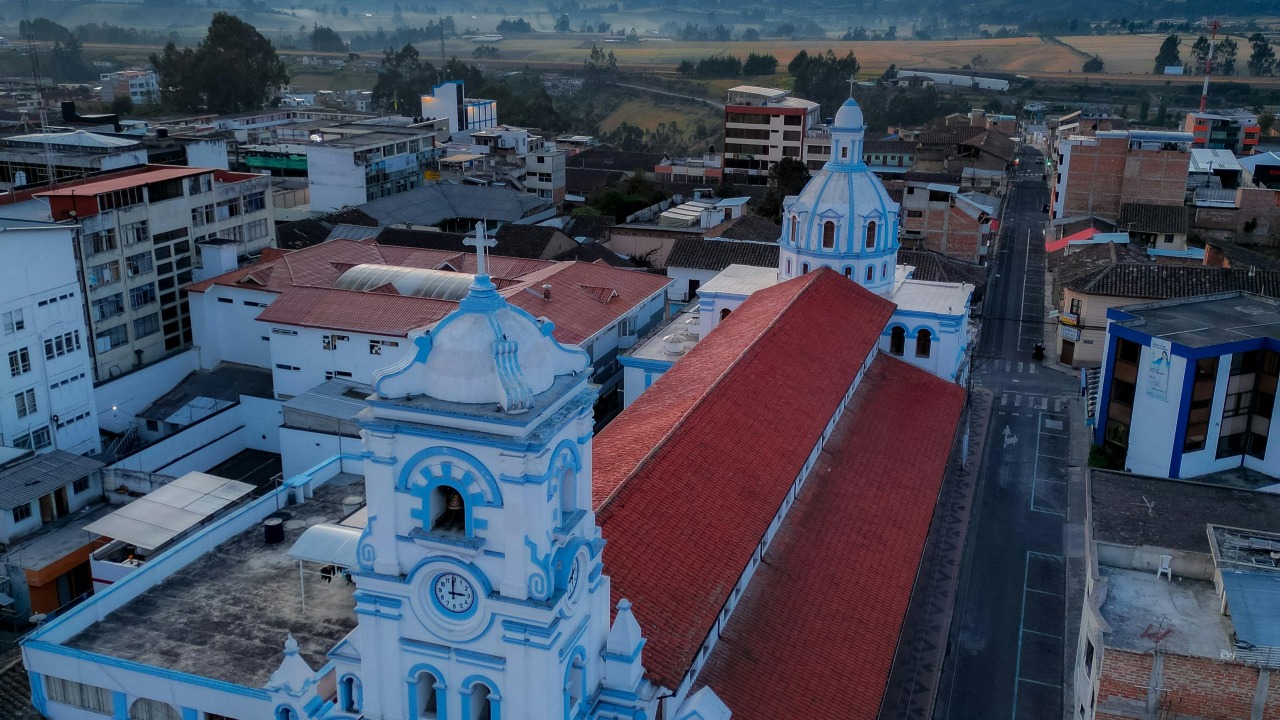
This city sits high in the mountains. It's 8,300 feet up. That's almost two miles above sea level. The weather feels like spring all year long. Not too hot. Not too cold.
Many Americans move here to retire. Why? The doctors are good. The hospitals are modern. And your money goes much further than back home.
But here's what most websites won't tell you: the sidewalks are a mess.
I mean cracked. Uneven. Full of holes. There are steps in the middle of the sidewalk with no warning. Tree roots push up through the concrete. Dogs wander around. People sell things and block your path.
If you use a cane or walker, this matters. If you have trouble with balance, this matters. You need to know this before you book your trip.
The good news? Taxis cost $2-5 and are everywhere. You don't have to walk if you don't want to.
The city has good things too. Churches. Museums. Parks by the river. Cafes where you can sit and rest. A new tram that's easy to get on and off. Three private hospitals with doctors who speak English.
And here's something nice: people here respect older adults. They call seniors "abuelitos" with kindness. Store workers slow down for you. Neighbors check on you. That feels different from the U.S.
The math works. The medical care works. The culture works. The sidewalks? You'll need a plan.
Budget-Friendly for Fixed-Income Travelers
Extended Stay
Medical Tourism Destination
South America
Strong Expat Infrastructure
Solo Safety Rating
Value Rating
Kim's Insider Tips
The sidewalks aren't getting fixed anytime soon. Don't fight it. Work around it.
Get a taxi driver's number from your hotel. Or download a taxi app before you land. Budget $10-15 a day for rides. Think of it as your transportation cost, not a luxury. That's still less than one Uber ride in most U.S. cities.
For medical care: Hospital Universitario del Río is the one expats trust most. Many doctors trained in the U.S. or Europe. If you have health issues, contact them BEFORE your trip. Set up appointments early. Ask for English-speaking doctors in your area of need.
About the altitude: Give your body time. Plan to do very little for your first 2-3 days. Drink water. No alcohol at first. Watch for headaches, dizziness, or feeling very tired. This isn't being dramatic. It's being smart about a body that's done 60+ years of hard work.
Asia Pacific
Cultural Experiences
Extended Stay
LGBTQ+-Friendly
Solo Friendly
Solo Safety Rating
Value Rating
Kim's Insider Tips
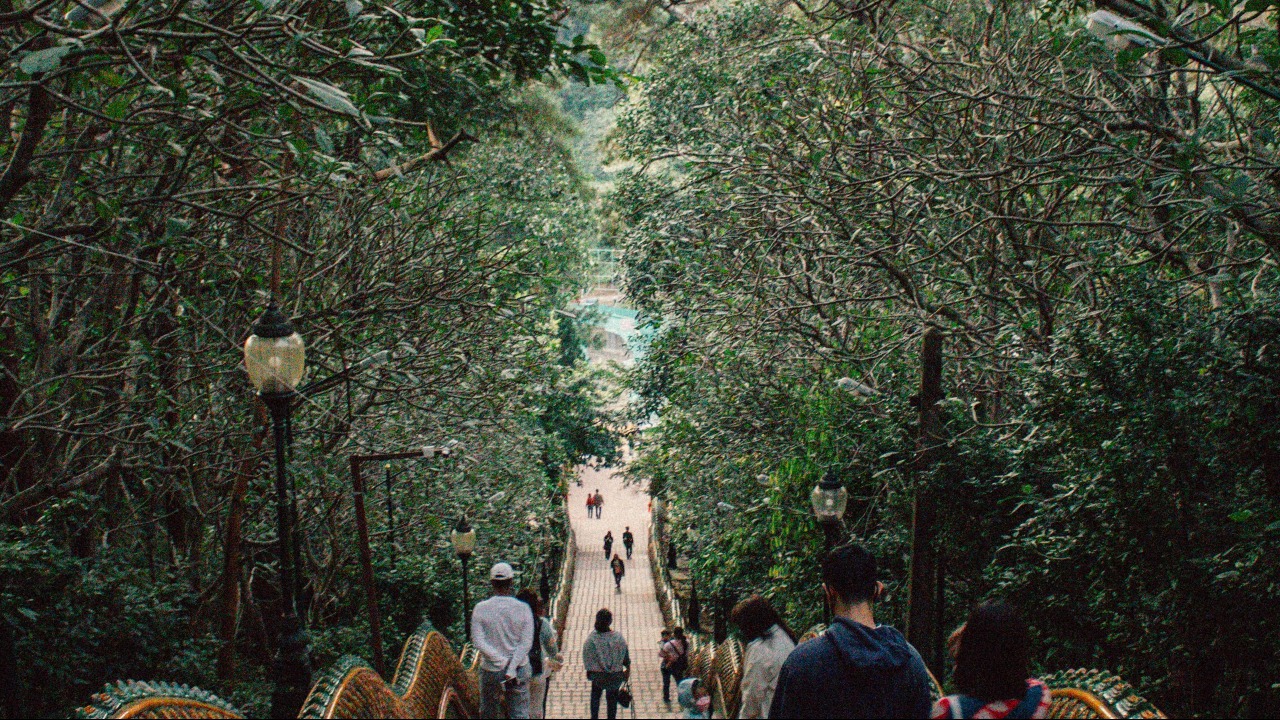
Skip the long walks—use Grab or red songthaews for short hops. Use modern malls like Maya and One Nimman as air-conditioned rest stops with accessible bathrooms. Consider combining your trip with affordable medical check-ups at private hospitals. Thai culture deeply respects elders, so expect patient, gentle service.
Medical Infrastructure Rating
Black Community Resources
Many Black travelers describe Chiang Mai — and Thailand more broadly — as physically safe, with everyday interactions shaped more by curiosity and colorism than by hostility.
That said, colorism is real. Preferences for lighter skin and occasional stereotypes or ignorant comments can surface, particularly in more local spaces or among older residents. Long-term Black residents often note that the most overtly racist behavior they encounter comes from other foreigners, while Thai bias tends to show up more subtly — through social hierarchy or differential treatment rather than confrontation.
For most Black senior travelers, the experience is best described as safe, often warm, but not immune to ignorance.
LGBTQ+-FRIENDLY
LGBTQ+ Community Resources
Thailand is widely known for visible queer life, and Chiang Mai is no exception. Same-gender couples commonly report being able to walk together, book shared accommodations, and socialize without harassment — especially in tourist, expat, and central city areas. Chiang Mai has also seen a revival of Pride events in recent years, with parades, talks, and community gatherings now part of the city’s calendar again. Pride activity is most visible around central landmarks and shopping areas. For older LGBTQ+ travelers, this is a place where being out with a partner is generally comfortable — with the understanding that discretion may still feel appropriate in more traditional or rural settings.
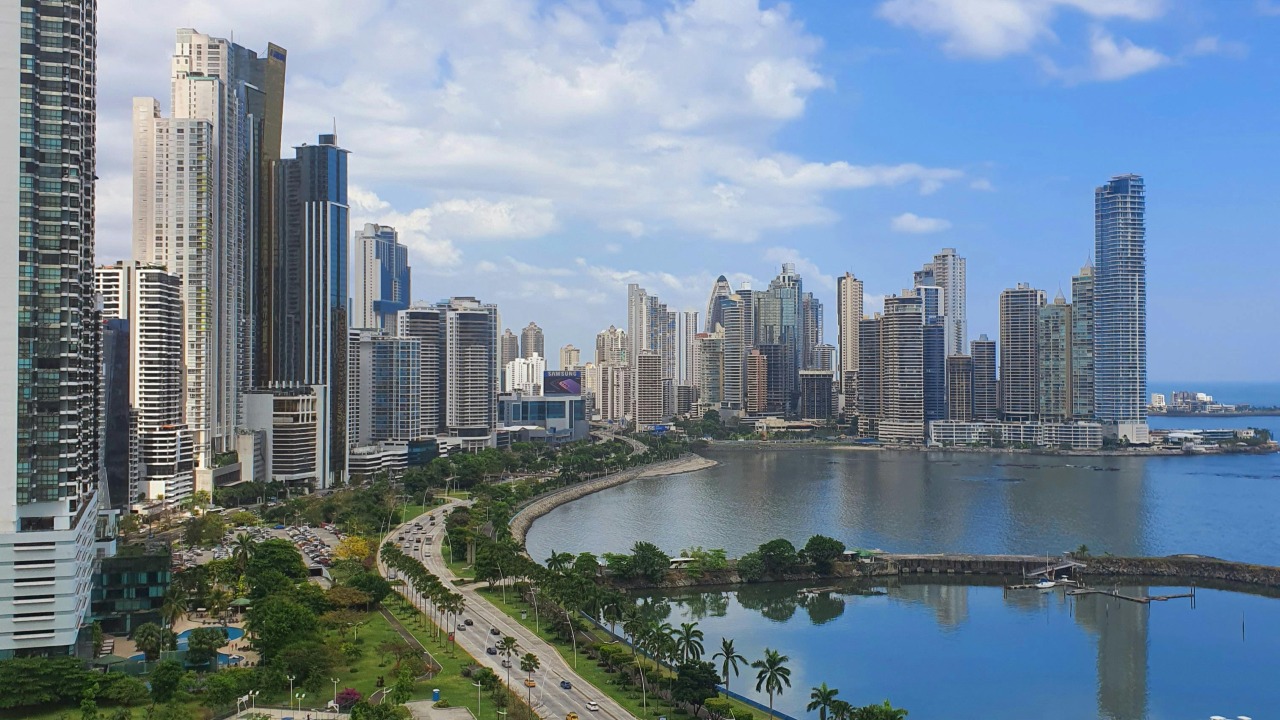
Let’s have a heart-to-heart about Panama City.
It can work beautifully for travelers over 60.
And like any real city — New York included — it’s best understood without rose-colored glasses.
The strengths are real.
This is a modern city with excellent private healthcare.
U.S. dollars are accepted everywhere.
Costs are reasonable — many people live well on $2,000–$3,000 a month.
A specialist visit at a top hospital runs about $50.
Try getting that in Miami.
Hospital Punta Pacífica is a standout. It’s JCI-accredited, meaning it’s held to the same international patient-safety and quality standards used by major U.S. hospitals like Johns Hopkins, Mayo Clinic, and NYU Langone. Doctors are U.S.- and European-trained, English-speaking, and the systems are designed to protect patients — not just look impressive.
If medical access matters to you, Panama City delivers.
Transportation is another strength.
The Metro is clean, modern, and inexpensive — about 35 cents per ride. Adults 62+ can receive the senior fare (around 24 cents) by obtaining a Metro senior card, which is issued in person with valid ID at Metro customer service offices and select stations. Stations have elevators and escalators, and this isn’t a visitor perk — it’s everyday infrastructure.
And let's not forget—you're minutes from one of the engineering wonders of the world. The Panama Canal is right here. Miraflores Locks has a visitor center with elevators, air conditioning, and seating where you can watch massive ships pass through. It's genuinely awe-inspiring, and it's accessible for seniors
Now, a few things people sometimes overlook.
Sidewalks can be uneven or incomplete in many areas. That doesn’t make the city unwalkable — but it does mean walking everywhere isn’t always the easiest option, especially if you have mobility concerns. Many residents rely on taxis and rideshares as part of daily life.
And like any large city, neighborhood dynamics vary.
I live in Bed-Stuy, Brooklyn.
For years, people described my neighborhood in ways that didn’t match reality.
So I don’t label places as “good” or “bad.”
I think in terms of familiarity, comfort, and fit.
Some areas — like El Chorrillo, Curundú, and parts of Calidonia and Santa Ana — are places where visitors benefit from local knowledge, language skills, or a strong sense of how cities work. If you’re from New York, this may feel intuitive. If you’re not, it’s reasonable to choose areas that feel simpler and more supportive while you get oriented.
Many people gravitate toward flatter terrain, newer buildings, elevators, and proximity to healthcare — not because other neighborhoods are off-limits, but because these features reduce friction in daily life.
Add in the tropical heat — the kind that encourages an afternoon pause — and pacing becomes part of the lifestyle.
Bottom line:
Panama City isn’t about chasing a perfect neighborhood.
It’s about understanding how the city functions — and choosing what supports your body, rhythm, and peace.
Seen clearly, it can be a remarkably comfortable and well-resourced place to land
Accessibility + Mobility-Friendly
Black Friendly
Central America
Cultural Experiences
Extended Stay
Solo Safety Rating
Value Rating
Kim's Insider Tips
Panama City isn’t a universal fit for everyone over 60 — and that’s okay. (Nothing is.)
It’s hot. Sidewalks vary. Like any real city, some areas ask for more awareness than others.
Taxi apps are safer than street hails. I was actually overcharged for days by a car service that was suggested by our hotel so be wary. Uber and Bolt show you the price upfront, track your route, and create a record of your trip. Use them.
But for people who plan thoughtfully, pace themselves with the climate, and care deeply about accessible, high-quality healthcare, this city offers something genuinely rare.
Where else do you find a Johns Hopkins–affiliated, JCI-accredited hospital, U.S. dollars, modern apartments with elevators and ocean views, reliable rideshares, and a comfortable cost of living under $2,500 a month?
Panama City rewards preparation — understanding how neighborhoods function, choosing a building that supports your body, and accepting that taxis and rideshares are often part of daily life.
Do that, and the city opens up beautifully.
The world doesn’t stop being interesting after 60.
We just travel it with more discernment — and Panama City meets that moment with grace.
Medical Infrastructure Rating
Black Community Resources
Panama City has a large Afro-Panamanian population, and Black culture is woven into the country’s history, music, and everyday life. While colorism and discrimination still exist, many Black travelers report a sense of cultural familiarity and visible Black communities throughout the capital.
Afro-heritage festivals and Garifuna and Afro-Panamanian cultural events appear throughout the year. Visitors who want deeper connection can seek out Black-owned tours, cultural centers, and historical experiences, particularly in and around Casco Antiguo.
LGBTQ+-FRIENDLY
LGBTQ+ Community Resources
Panama City is generally LGBTQ+ friendly, especially in central neighborhoods like Casco Antiguo and El Cangrejo. There’s a visible queer scene and an annual Pride event. Legal protections are still evolving, and acceptance isn’t uniform everywhere, but most LGBTQ+ travelers feel safe and welcome in the city. Fundación Iguales (Panama) 🌈 LGBTQ+ rights & legal advocacy organization 🔗 Website: fundacioniguales.org Fundación Iguales is a Panamanian non-profit focused on LGBTQ+ human rights, education, and legal advocacy. While it’s not a community center or social hub, it’s a respected local organization and a useful reference point for rights-related information and community visibility in Panama. Bottom line: LGBTQ+ friendly, but situational awareness still matters.
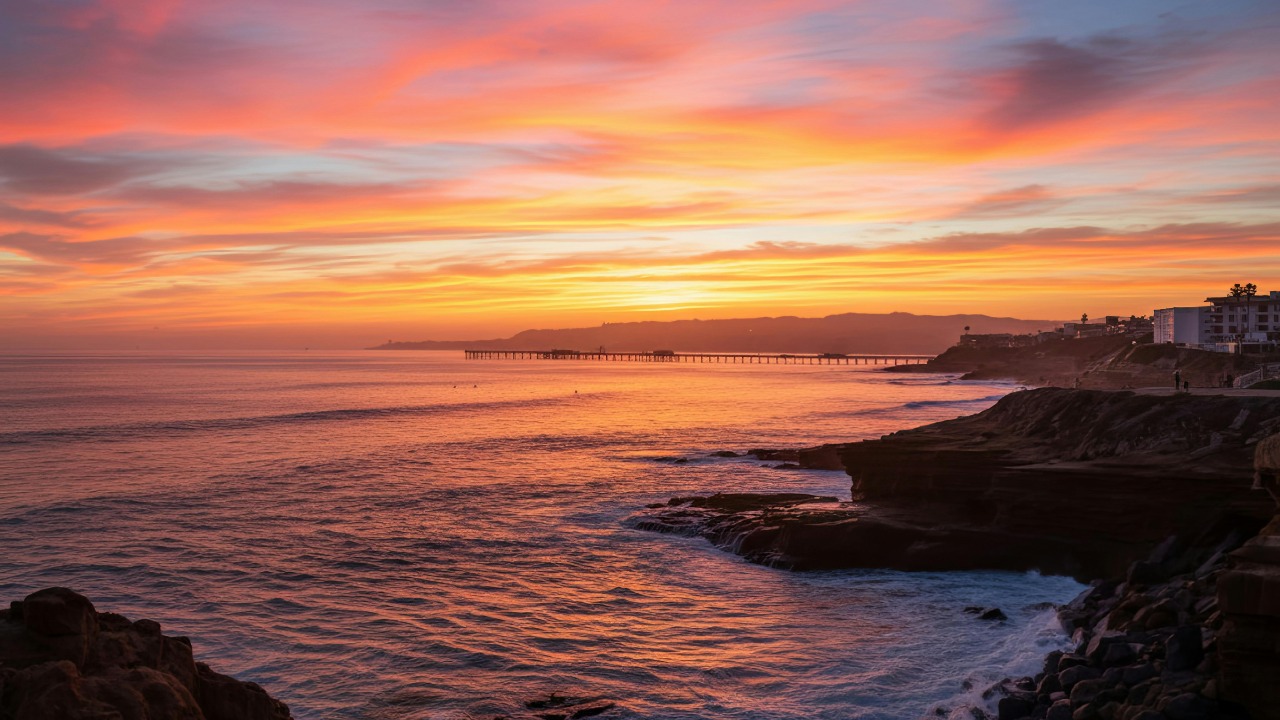
Let me tell you why San Diego keeps showing up on every "best places to retire" list—and why it works just as well for a visit.
The weather here is ridiculous. In the best way. Mild year-round, rarely too hot, almost never cold. You can plan outdoor activities without checking the forecast obsessively.
But here's what really matters for us: the main tourist areas are flat. The Embarcadero waterfront, Balboa Park's central paths, Coronado's beachfront, La Jolla Shores—all paved, all have benches, all let you rest when you need to without feeling like you're holding anyone up.
San Diego actually has an official Age-Friendly Action Plan. The city thought about us. Walkability, transportation, outdoor seating—they built it into their planning. That's not nothing.
The medical infrastructure here is genuinely excellent. UC San Diego Health and Scripps are nationally ranked systems. If something happens, you're in good hands.
The only catch? It's expensive. This is California, after all. But seniors get reduced transit fares and some museums offer free or discounted days. You can make it work with planning.
Bottom line: If you want beautiful weather, flat walking paths, world-class healthcare nearby, and a city that actually thinks about older adults—San Diego delivers.
Accessible Destinations
Aging-Friendly Activities
Coastal/Beach Destinations
Medical Facilities
United States
Solo Safety Rating
Value Rating
Kim's Insider Tips
Get a PRONTO card for transit. Seniors get reduced fares on MTS trolleys and buses. The trolley is clean, easy to use, and connects downtown to Old Town, the airport, and other key areas. Way less stressful than renting a car and dealing with California traffic.
Start at Balboa Park, but pace yourself. It's huge—1,200 acres with museums, gardens, and the famous zoo. Don't try to see it all in one day. Pick two or three things, take the free tram between areas, and sit in the gardens when you need a break.
La Jolla Shores is easier than La Jolla Village. The village is charming but has some hills. The Shores area is flatter with a gentle beach, grassy parks, and accessible paths. Better for limited mobility.
Book harbor cruises in advance. The one and two-hour cruises from the Embarcadero are perfect for seniors—you sit, you see the skyline, you rest your feet. But they fill up, especially on weekends. Don't wait until you arrive.
Coronado Ferry is a hidden gem. Take the ferry from downtown to Coronado instead of driving or taking a taxi. It's cheap, scenic, and drops you right near shops and restaurants. The ride itself is part of the experience.
Carry layers. San Diego's famous weather can still surprise you. Morning fog burns off into warm afternoons, then evenings cool down near the water. A light jacket you can stuff in your bag solves everything.
Medical Infrastructure Rating
Black Community Resources
San Diego has a longstanding Black history and a visible Black population, with community life especially concentrated in southeastern neighborhoods and around Black-owned businesses. Many Black travelers report being able to find connection and familiarity fairly easily once they know where to look.
That said, this is still the United States. The same structural issues — including profiling and racial bias — can exist here, so situational awareness and choosing neighborhoods intentionally still matters.
Each year, Juneteenth celebrations in San Diego (often held in places like Memorial Park or downtown) highlight Black culture through music, food, vendors, and community gathering. Visitors can also plug into NAACP San Diego, Black-led churches, and local arts organizations for connection beyond tourism.
LGBTQ+-FRIENDLY
LGBTQ+ Community Resources
Hillcrest is one of the most established LGBTQ+ neighborhoods on the West Coast, and San Diego is widely recognized as an LGBTQ+-friendly destination. San Diego Pride, held each July, includes a large parade and festival centered around Hillcrest and Balboa Park, drawing hundreds of thousands of attendees. Pride also supports year-round community programming, including events and spaces that are welcoming to older adults. For many travelers, the overall tone is open, visible, and well-integrated into city life.
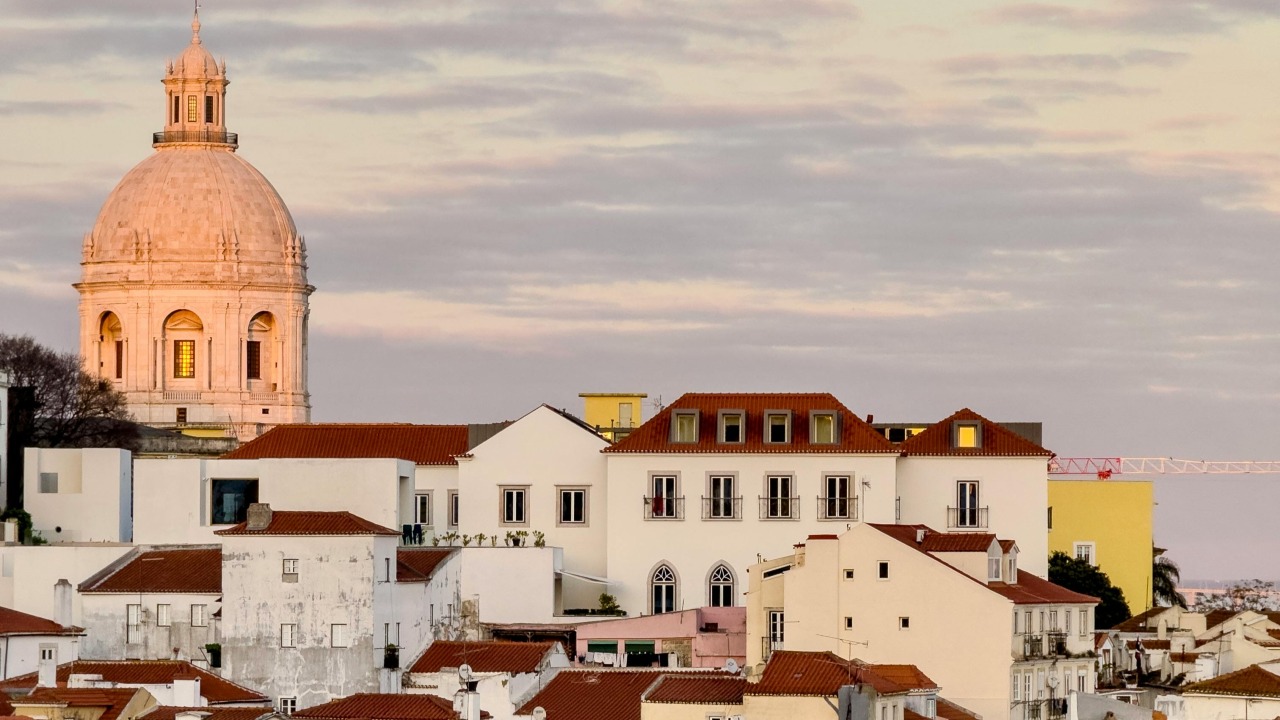
Let’s keep it real: Lisbon is one of those places everybody puts on their bucket list, and honestly? For good reason. But I'm not going to sugarcoat it.
This city was built on seven hills. That means steep climbs, uneven cobblestones, and some neighborhoods that will make your knees speak to you in ways you do not want to hear.
But here's the good news: if you pick the right neighborhoods and use the city's elevators, funiculars, and taxis smartly, Lisbon becomes absolutely doable and beautiful for travelers 60 and over.
Portugal ranks as one of the safest countries in Europe. Healthcare is solid, with several private hospitals that actually expect and welcome international patients. Costs are lower than most U.S. cities. And the cafe culture? Perfect for us. Sit down. Rest. Watch the world go by. Nobody rushes you here.
Just plan ahead. Stay flat. Ask for help when you need it. And you'll see exactly why this place captures hearts.
Black Friendly
Europe
LGBTQ+-Friendly
Medical Facilities
Solo Safety Rating
Value Rating
Kim's Insider Tips
Skip the famous Tram 28E. I know, I know—it's on every list. But it's crowded, a pickpocket hotspot, and hard to get a seat. Instead, take a taxi or Uber to the same viewpoints. Your knees and your wallet will thank you.
Use the elevators and funiculars. The city has several public elevators (like the Santa Justa Lift) and funicular railways that take you up the hills. They're built into the public transit system. Use them.
Pack comfortable shoes with good grip. Those beautiful cobblestones get slippery. Leave the cute flats at home. You want sturdy soles and ankle support.
Download Uber and Bolt before you arrive. Both apps work great in Lisbon. Prices are reasonable and shown upfront. This is how you avoid steep hills without worrying about taxi meters.
Rest during the afternoon. Portugal runs on a Mediterranean schedule. Shops close for lunch. It gets hot in summer. Embrace the slower pace. Go back to your hotel. Take a nap. Come out again when the city cools down. That's not being lazy—that's traveling smart.
Medical Infrastructure Rating
Black Community Resources
Lisbon is a diverse, global city with visible African and Afro-Brazilian communities woven into everyday life. Racism exists — as it does everywhere — but most Black travelers report feeling physically safe moving through the city.
Rather than a single “Black neighborhood,” Black culture in Lisbon shows up across the city — through Afro-Lisboa festivals, African music spaces, food, and community events. Most visitors connect through expat circles, cultural meetups, and informal networks, rather than senior-specific organizations.
The experience is less about being singled out — and more about blending in.
LGBTQ+-FRIENDLY
LGBTQ+ Community Resources
Lisbon is widely regarded as very LGBTQ+-friendly. The city has a long-standing Pride march (Marcha do Orgulho LGBTI+) and hosts Arraial Lisboa Pride, Portugal’s largest LGBTQ+ festival, each June. Pride events are centered around Jardim do Príncipe Real, where the parade, Pride Village, concerts, community organizations, and advocacy spaces draw tens of thousands of people each year. For many travelers, especially older adults, the tone is open, relaxed, and public — without feeling overwhelming.