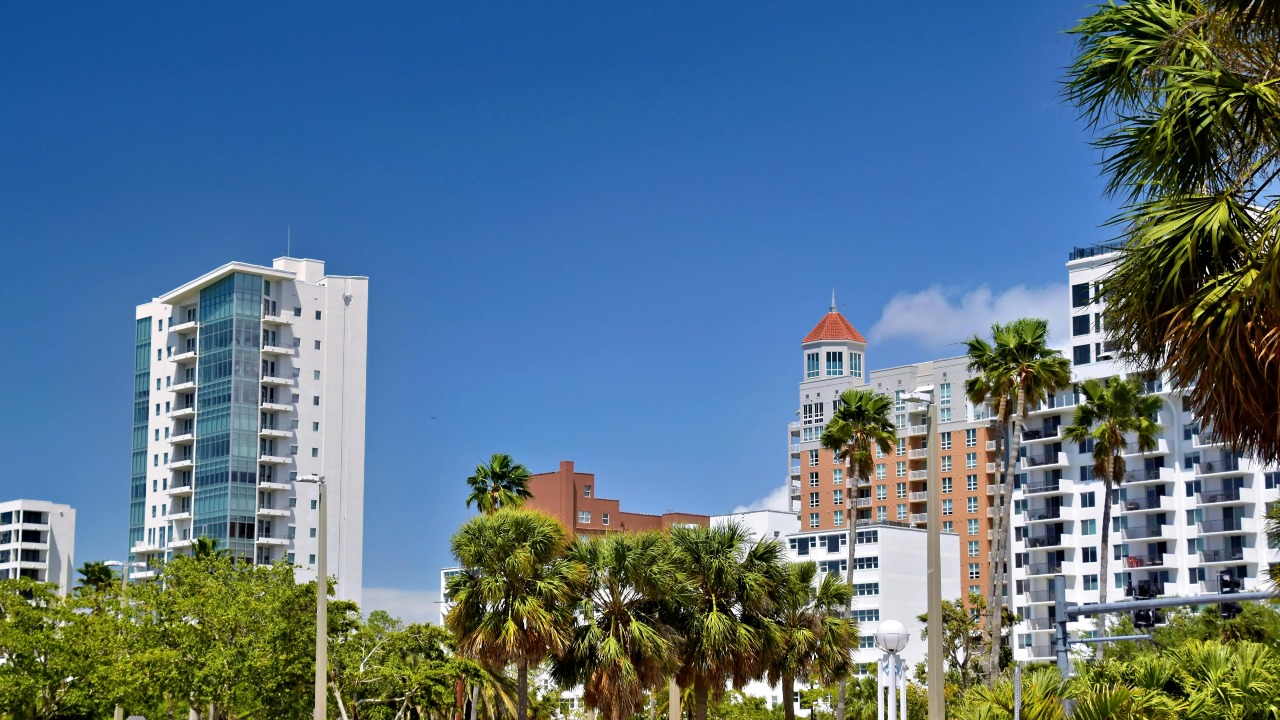
Sarasota is what happens when a city actually commits to being age-friendly instead of just saying it. This was the first WHO/AARP age-friendly community in Florida, and they didn't stop there—they paired age-friendly community, health system, AND public health designations. That's not marketing. That's infrastructure. You get geriatric emergency departments, accessible trolleys, and senior programming that actually exists. The medical care is legitimately some of the best in the country. But here's the catch: Sarasota assumes you're driving. Public transit exists but it's patchy. If you don't have a car, your neighborhood choice matters a lot. And crime is higher than the Florida and U.S. averages in some areas, so you need to be strategic about where you stay. This isn't a walkable European city—it's a car-dependent coastal Florida town that's working hard to add accessibility features to a system built for drivers. In other words, accessibility is strongest in tourist areas, beaches, and downtown. Breeze Transit buses and the free Bay Runner trolley have wheelchair lifts and kneeling capability. Breeze Plus paratransit serves ADA-eligible riders. Sidewalks, curb ramps, and pedestrian signals are prioritized near main corridors, but suburban areas have gaps, wide crossings, and no shade. Public restrooms and benches are common at beaches and parks, less common along main roads. If you tire easily, stay near a trolley route or beach access to reduce walking. If you want excellent healthcare, warm weather, and a slower pace with real senior support, Sarasota delivers. Just plan your transportation and location carefully.

 Sarasota has an active, visible LGBTQ+ community with real organizations and events. Project Pride SRQ runs community events, senior outreach, and Sarasota Pride programming. The Fabulous Arts Foundation operates the Fab LGBTQ+ Center in the Limelight District—an actual physical space for LGBTQIA+ community, art, wellness, and events. They organize Be Fabulous Music & Arts Pride Fest in downtown Sarasota (multi-day Pride celebration in May). You'll find affirming spaces downtown and nearby districts, with resources for youth, seniors, health, and housing. This isn't just tolerance—it's community infrastructure.