Destinations where the water is the main attraction—oceans, beaches, seaside towns, and waterfront promenades. These aren't party beaches. They're places with accessible boardwalks, beach wheelchair rentals, shaded seating areas, and gentle coastal walks.
Barbados gets a lot right for senior travelers. English is the official language, so you won't struggle to communicate in hospitals or navigate services. The culture respects elders—not as a tourism marketing gimmick, but as actual national policy. The west coast has calm Caribbean waters, the island is small and manageable, and it's one of the safer Caribbean destinations. Medical care is solid, with both public and private hospitals that cater to international patients.
Here's what they don't advertise: Barbados is expensive. You're looking at $400-450 USD per day for a typical visitor, with hotel rooms averaging $470 per night for two people. Even "budget" days run around $175 USD. The infrastructure is improving for accessibility—some beaches have beach wheelchairs, newer buses are wheelchair-friendly—but step off the resort strip and you'll hit narrow, broken, or missing sidewalks. Most minibuses and ZR vans are still inaccessible. Barbados is working on accessibility but it's inconsistent. Tourist areas on the south and west coasts have some renovated sidewalks, curb ramps, and improved public restrooms. Many older streets still have broken or missing pavements and uneven surfaces. Public transport is mixed. Standard yellow minibuses and ZR vans are hard to use. But some Transport Board buses (including new electric ones) are wheelchair-friendly. Specialist accessible taxis and tours are available. Some beaches have beach wheelchairs. Resorts increasingly offer adapted rooms. Most accessibility requires advance planning and booking.
If you can afford it and don't need perfect accessibility everywhere, Barbados delivers comfort, safety, and respect. If you're on a fixed income or use mobility aids extensively, the cost and infrastructure gaps will frustrate you.
Aging-Friendly Activities
Black Friendly
Coastal/Beach Destinations
Cultural Experiences
Medical Tourism Destination
Solo Safety Rating
Value Rating
Kim's Insider Tips
Stay on the west coast near Sandy Crest Medical Centre if healthcare access matters. The Platinum Coast has the best combination of calm waters, walkable tourist infrastructure, and immediate access to private medical care. You'll pay more, but you won't waste energy navigating broken sidewalks or arranging transport to appointments.
Medical Infrastructure Rating
Black Community Resources
Barbados is a majority-Black nation. African heritage and the legacy of enslavement deeply shape the island's history and culture. Black travelers will see themselves reflected in everyday life and leadership. Heritage experiences in Bridgetown explicitly center Black resistance and resilience. "Unapologetically BLACK!" walking tours explore figures like Rachel Pringle and Samuel Jackman Prescod, and sites tied to revolt, emancipation, and free villages. Broader Black heritage tours visit Newton Burial Ground, Rock Hall (a first free village), and plantation sites linked to the Bussa Rebellion. Seniors have powerful, guided ways to connect with the island's history.
LGBTQ+ Community Resources
Barbados historically had harsh anti-sodomy laws, but things are changing. A local LGBTQ+ rights movement has grown since 2013. Bridgetown hosted its first Pride events in the late 2010s. By 2025, Pride Month is publicly launched with support from the Pan American Health Organization and diplomatic missions. There are community events like Pride Hike and Pride Party Finale. For older LGBTQ+ visitors, this means a cautiously welcoming environment in tourist areas. But conservative attitudes exist outside urban and tourist zones. Use discretion.
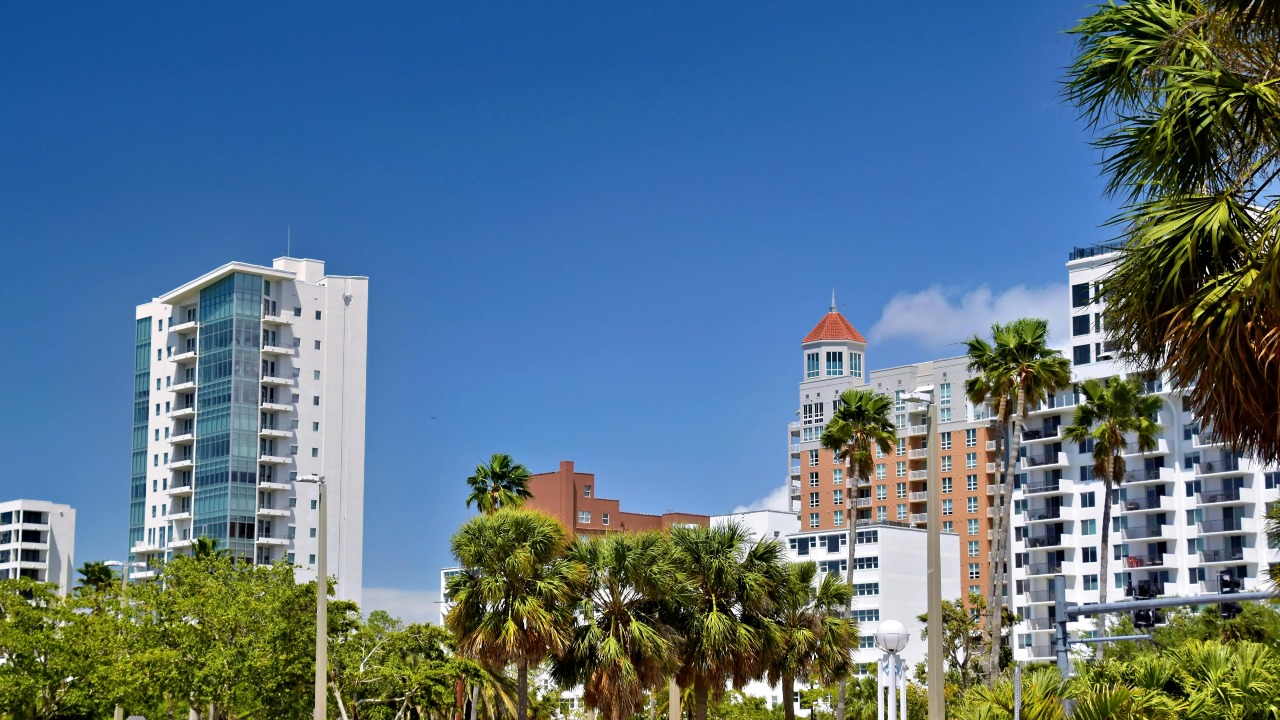
Sarasota is what happens when a city actually commits to being age-friendly instead of just saying it. This was the first WHO/AARP age-friendly community in Florida, and they didn't stop there—they paired age-friendly community, health system, AND public health designations. That's not marketing. That's infrastructure. You get geriatric emergency departments, accessible trolleys, and senior programming that actually exists. The medical care is legitimately some of the best in the country.
But here's the catch: Sarasota assumes you're driving. Public transit exists but it's patchy. If you don't have a car, your neighborhood choice matters a lot. And crime is higher than the Florida and U.S. averages in some areas, so you need to be strategic about where you stay. This isn't a walkable European city—it's a car-dependent coastal Florida town that's working hard to add accessibility features to a system built for drivers.
In other words, accessibility is strongest in tourist areas, beaches, and downtown. Breeze Transit buses and the free Bay Runner trolley have wheelchair lifts and kneeling capability. Breeze Plus paratransit serves ADA-eligible riders. Sidewalks, curb ramps, and pedestrian signals are prioritized near main corridors, but suburban areas have gaps, wide crossings, and no shade. Public restrooms and benches are common at beaches and parks, less common along main roads. If you tire easily, stay near a trolley route or beach access to reduce walking.
If you want excellent healthcare, warm weather, and a slower pace with real senior support, Sarasota delivers. Just plan your transportation and location carefully.
Aging-Friendly Activities
Coastal/Beach Destinations
Medical Tourism Destination
United States
Solo Safety Rating
Value Rating
Kim's Insider Tips
Stay near Sarasota Memorial Hospital if healthcare access matters to you. The hospital is genuinely world-class, and being close means you can walk or take a short ride to appointments instead of driving across town. Plus, Southside Village nearby has walkable dining and calmer residential streets.
Medical Infrastructure Rating
Black Community Resources
The Sarasota African American Cultural Coalition (SAACC) preserves and celebrates local Black history. They transformed the historic Leonard Reid House—built in an early Black community—into a center for Black arts, culture, and public programs. SAACC hosts exhibits, events, and community gatherings highlighting Black leaders and artists. While Sarasota doesn't have one formal "Black neighborhood" marketed to tourists, these cultural institutions create a welcoming and visible presence for Black visitors. You have a clear cultural touchpoint here.
LGBTQ+-FRIENDLY
LGBTQ+ Community Resources
Sarasota has an active, visible LGBTQ+ community with real organizations and events. Project Pride SRQ runs community events, senior outreach, and Sarasota Pride programming. The Fabulous Arts Foundation operates the Fab LGBTQ+ Center in the Limelight District—an actual physical space for LGBTQIA+ community, art, wellness, and events. They organize Be Fabulous Music & Arts Pride Fest in downtown Sarasota (multi-day Pride celebration in May). You'll find affirming spaces downtown and nearby districts, with resources for youth, seniors, health, and housing. This isn't just tolerance—it's community infrastructure.
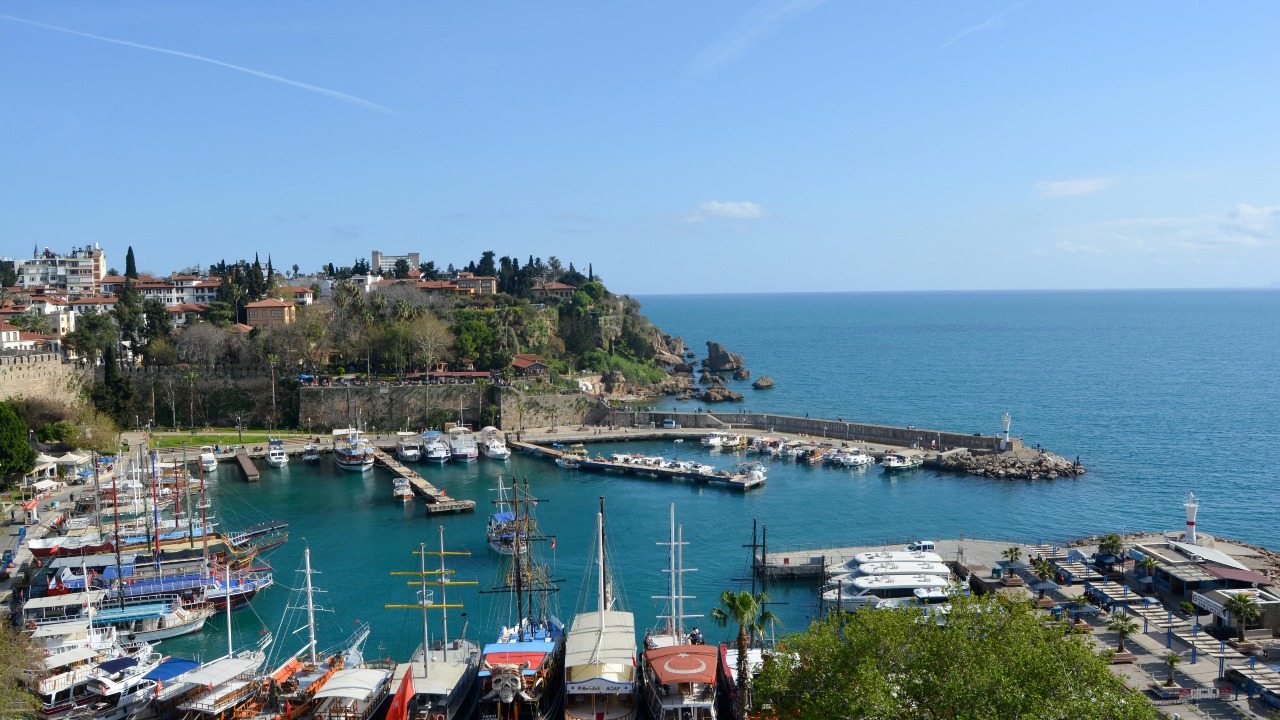
Penang is a Malaysian island that's working hard to be friendly for older travelers. You get amazing food, beautiful old buildings, beaches, and people who treat you with respect. The government is fixing sidewalks and adding elevators to make things easier. But here's the truth: it's not perfect yet. Some old streets still have bumpy paths and steps. If you can deal with that, Penang is worth it.
The medical care here is really good. The food is incredible. And you won't spend all your money just existing. Just watch out for scammers who target seniors online.
Asia Pacific
Budget-Friendly for Fixed-Income Travelers
Coastal/Beach Destinations
Medical Tourism Destination
Strong Expat Infrastructure
Solo Safety Rating
Value Rating
Medical Infrastructure Rating
Black Community Resources
Penang is multicultural (Chinese, Malay, Indian populations), but that doesn't mean Black travelers will feel welcomed or represented. There are no Black-focused resources, neighborhoods, or communities. You probably won't face outright hostility, but don't expect to see yourself in ads, media, or local culture. It's more "you can visit without major problems" than "you'll feel at home here."
LGBTQ+ Community Resources
Malaysia has laws against same-sex relationships, and while Penang is more tolerant than other Malaysian cities, that's a low bar. George Town has some discreet LGBTQ-friendly venues and a cosmopolitan vibe, but you need to keep public affection private and stay cautious. There's no pride parade. You can exist here, but you can't be fully open. If you need a truly LGBTQ-friendly destination, look elsewhere.
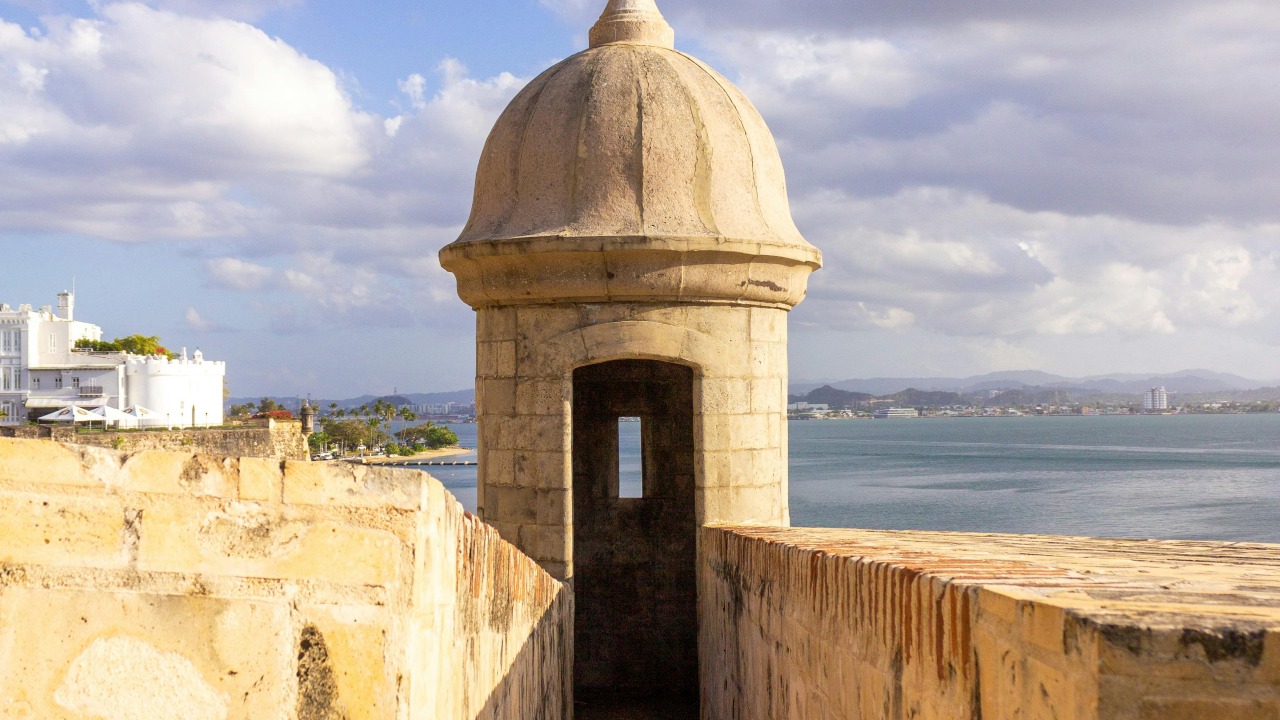
San Juan rocks if you want familiar U.S. systems, English-speaking hospitals, and walkable beachfront neighborhoods—but if you use a walker or wheelchair, those pretty cobblestones and crumbling sidewalks will make you want to scream or throw rocks. Pick your neighborhood carefully.
San Juan gives you compact tourist zones where hotels, pharmacies, and restaurants cluster together—Old San Juan, Condado, Miramar, Isla Verde. You won't need a car if you stay in the right spot. As a U.S. territory, you get U.S. medical standards, U.S. dollars, and English widely spoken in tourism and healthcare. That's a huge stress reducer for older Americans.
Daily costs run lower than big mainland cities, but beachfront neighborhoods and imported goods will hit your wallet. If you're on a fixed income, pay attention to where you're staying and what you're buying.
Getting around
The Tren Urbano (metro) runs 10.7 miles and connects with buses and the Cataño ferry. It's been offering free rides while they update ticketing. Sounds great, except:
Stations aren't always near hotels
Buses are inconsistent for accessibility and schedules
You'll probably end up using taxis, Uber, or hotel shuttles like everyone else
Wheelchair-accessible taxis exist but arrange them through your hotel in advance—don't assume you'll find one on the street.
If you need elevators: Modern hotels and malls in Condado, Miramar, and Isla Verde are built to U.S. standards. Skip the charming walk-ups in Old San Juan.
Black Friendly
Coastal/Beach Destinations
Cultural Experiences
International City
LGBTQ+-Friendly
Solo Safety Rating
Value Rating
Kim's Insider Tips
San Juan runs on U.S. dollars, so for Americans, there’s no need to mess with currency exchange. ATMs are easy to find, but stick to ones inside banks or hotels—way less chance of your card getting skimmed.
When it comes to rental cars, the scams are real. Book only with the big names at the airport—think Avis, Enterprise, Hertz, or Charlie’s. Those off-airport “discount” spots like Dollar, Sixt, Thrifty, Budget, Routes, or Priceless? Steer clear. Snap photos of the car from every angle before you drive off, and bring your insurance declaration page just in case. Honestly, if you can, skip the rental altogether and just use Uber around San Juan. It’s easier.
Parking in Old San Juan? Don’t even bother with street parking. Even if you find a legal spot, you’re asking for tickets, hassles, or worse—gas siphoning happens. Use a garage and pay the fee. It’s worth it.
If you want real local food that won’t break the bank, you’ve got options. Café Manolin does classic Puerto Rican dishes—try the mofongo. Café el Punto offers great food and killer mojitos for a good price. Head to the fondas along Avenida Ponce de León in Santurce for cheap counter service. El Jibarito is the go-to in Old San Juan for Puerto Rican food, but expect a crowd; waits can hit an hour, and they don’t take reservations.
Need coffee? Café Nineteen on C. Loíza is a tiny walk-up, but their coffee is perfect.
Vegetarian? That’s not easy here, but Café Berlin near Plaza Colon has solid options, including vegan mofongo.
About those bio bay tours—they look amazing on Instagram, but real life is more subtle. You’ll see sparkles in the water, not glowing neon. For the best experience, pick a night with no moon.
Traffic here gets brutal, especially during rush hour—it’s right up there with LA or DC. Don’t trust Google Maps’ street names; follow the route, not the names, since the signs don’t always match. People drive aggressively—think more like Latin America than the mainland U.S.
A heads-up: San Juan is a city, not a laid-back beach town. It’s the third largest city in the Caribbean. Expect traffic, noise, and plenty of hustle. If you’re looking for island vibes, plan to explore beyond the city.
Dress smart: don’t walk around town in a swimsuit. Cover up, especially if you’re visiting a church. The Catholic faith means a lot here—respect goes a long way.
You’ll hear tiny coquí frogs singing at night. Locals love them, so never complain or joke about quieting them down.
Tipping runs just like the mainland—15-20% at restaurants, $10-15 for tour guides. Bring plenty of singles and small bills for tips and street vendors.
Want to explore? Check out puertoricodaytrips.com for free self-guided walking tours of Old San Juan.
La Factoría isn’t just a bar—it’s one of the world’s best. It gets crowded, but it’s absolutely worth a visit.
Tap water’s safe, so fill your bottle and skip the bottled stuff.
If you’re coming during hurricane season (June through November), keep an eye on the weather. Heavy rain can mean flooding and power outages, and you don’t want to be caught off guard.
Last thing: get small bills before you arrive—$1s, $5s, and $10s come in handy for tips and buying from vendors.
Medical Infrastructure Rating
Black Community Resources
San Juan has a visibly mixed Afro-LatinX population. Black locals and expats say Puerto Rico is "very accepting of Black people and Black culture"—the population ranges from very light to very dark, and racism is generally less overt than mainland U.S. You'll blend into a racially mixed society.
**Where to stay:** Old San Juan, Condado, Ocean Park, Isla Verde—same as other tourists. No single "Black neighborhood," but Afro-Puerto Rican culture is woven throughout.
**Safety:** Crime is tied to specific areas, not race. Stay in tourist zones, use normal city precautions.
**Key cultural experiences:**
**Loíza** (just east of San Juan) - Heart of Afro-Puerto Rican culture. Bomba music, festivals, Piñones beach/food strip. Essential for Black heritage.
**Festival Bomba y Plena** - Major Afro-Puerto Rican celebration. June 27, 2026. Music, dance, culture.
**Fiestas de la Calle San Sebastián (SanSe)** - January, Old San Juan. Live music, parades, heavily features Afro-Puerto Rican performers.
**Afro-Puerto Rican tours** - History, food, dance tours available through Viator and similar platforms.
**Community resources:**
**Colectivo Ilé** - Anti-racist organization, public workshops on Afro-descendant identity.
**Taller Salud** (Loíza) - Grassroots group focused on Black communities, health access, economic development.
**Bottom line:** San Juan is genuinely welcoming for Black travelers. You won't face the same racial dynamics as mainland U.S. Strong Afro-Puerto Rican cultural presence. For Black travelers over 60 looking for Caribbean sun without racial stress, San Juan delivers.
LGBTQ+-FRIENDLY
LGBTQ+ Community Resources
# LGBTQ+-friendly rating for San Juan **Overall LGBTQ+ friendliness: 5/5** San Juan is one of the gayest, most welcoming cities in the Caribbean. Visible queer community, same-sex couples holding hands in tourist zones, vibrant nightlife. International LGBTQ travel organizations actively promote it. This isn't "tolerant"—this is genuinely welcoming. **Where LGBTQ+ travelers should stay:** **Condado** - The main gay district. Highest concentration of LGBTQ-friendly hotels, restaurants, beach access. "Gay beach" is here. Best base for first-time queer visitors. Easy Uber to Santurce's bars and clubs. **Santurce** (especially Calle Loíza and La Placita) - Artsy, nightlife-heavy, grittier. This is where the queer bar and club scene lives. More local, less polished than Condado. **Ocean Park** - Relaxed beach vibes between Condado and Isla Verde. Home to Coquí del Mar, a gay clothing-optional guesthouse. **LGBTQ+ resources for seniors:** **Waves Ahead / Los Centros de Todes** - Puerto Rican NGO running LGBTQ+ community centers, specifically focused on mental health and support for LGBTQ adults and older adults. The only direct services provider focused on LGBTQ+ and older adult communities. Free psychosocial services, support groups, community programs. This is a real resource if you need community or mental health support while traveling. **True Self Foundation** (San Juan-based) - Financial assistance, legal support, resources for gender-diverse people. Emphasis on trans, queer, non-binary communities. **Pride:** June every year. Main parade usually third or fourth Sunday of June. Route starts at Parque del Indio in Condado, marches along Ashford Avenue (oceanfront strip), ends at Parque del Tercer Milenio/Escambrón with stage, performances, beachside rally. Pride week includes nightly parties across Condado and Santurce. This is the liveliest queer period of the year. **Recurring events:** Mercado Cuir (LGBTQ outdoor market at El Hangar in Santurce), drag and queer performance nights at venues like Vidy's in Río Piedras. **Bottom line:** San Juan is genuinely safe and welcoming for LGBTQ+ travelers over 60. Strong community infrastructure, visible queer presence, specific resources for older LGBTQ adults. If you're looking for Caribbean sun without worrying about holding your partner's hand or finding community, this is it.
Let me tell you why San Diego keeps showing up on every "best places to retire" list—and why it works just as well for a visit.
The weather here is ridiculous. In the best way. Mild year-round, rarely too hot, almost never cold. You can plan outdoor activities without checking the forecast obsessively.
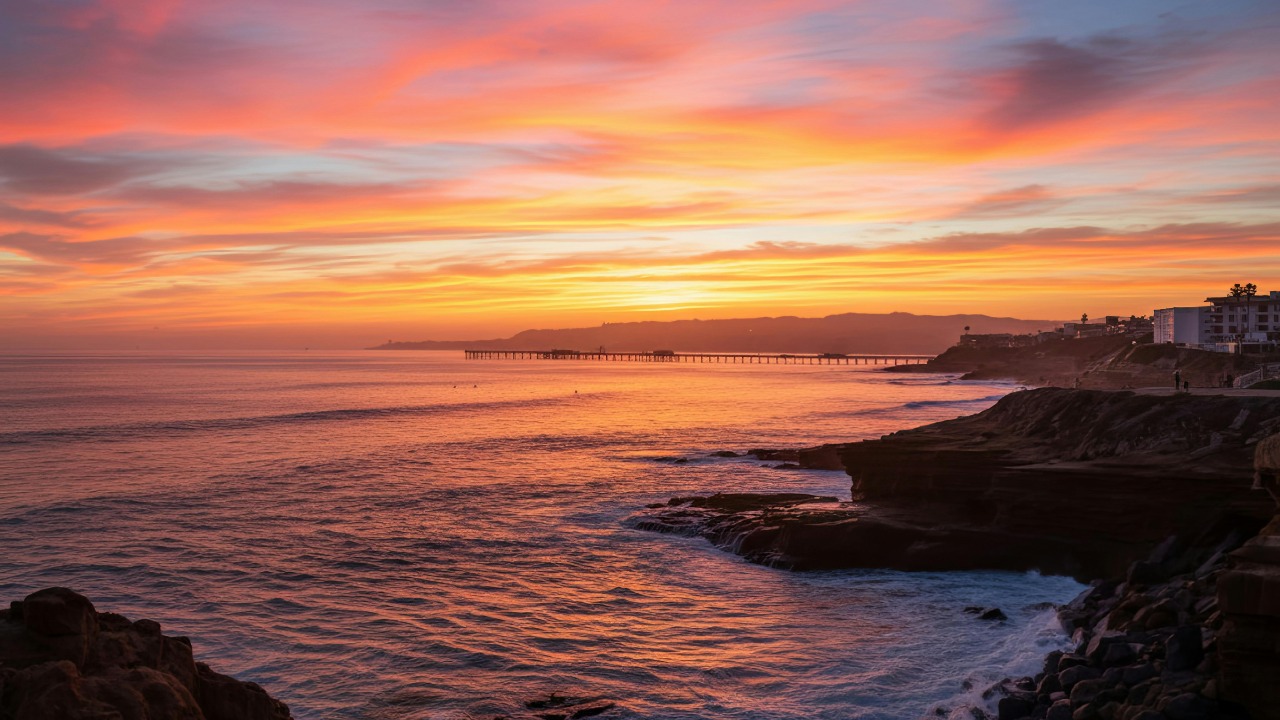
But here's what really matters for us: the main tourist areas are flat. The Embarcadero waterfront, Balboa Park's central paths, Coronado's beachfront, La Jolla Shores—all paved, all have benches, all let you rest when you need to without feeling like you're holding anyone up.
San Diego actually has an official Age-Friendly Action Plan. The city thought about us. Walkability, transportation, outdoor seating—they built it into their planning. That's not nothing.
The medical infrastructure here is genuinely excellent. UC San Diego Health and Scripps are nationally ranked systems. If something happens, you're in good hands.
The only catch? It's expensive. This is California, after all. But seniors get reduced transit fares and some museums offer free or discounted days. You can make it work with planning.
Bottom line: If you want beautiful weather, flat walking paths, world-class healthcare nearby, and a city that actually thinks about older adults—San Diego delivers.
Accessible Destinations
Aging-Friendly Activities
Coastal/Beach Destinations
Medical Facilities
United States
Solo Safety Rating
Value Rating
Kim's Insider Tips
Get a PRONTO card for transit. Seniors get reduced fares on MTS trolleys and buses. The trolley is clean, easy to use, and connects downtown to Old Town, the airport, and other key areas. Way less stressful than renting a car and dealing with California traffic.
Start at Balboa Park, but pace yourself. It's huge—1,200 acres with museums, gardens, and the famous zoo. Don't try to see it all in one day. Pick two or three things, take the free tram between areas, and sit in the gardens when you need a break.
La Jolla Shores is easier than La Jolla Village. The village is charming but has some hills. The Shores area is flatter with a gentle beach, grassy parks, and accessible paths. Better for limited mobility.
Book harbor cruises in advance. The one and two-hour cruises from the Embarcadero are perfect for seniors—you sit, you see the skyline, you rest your feet. But they fill up, especially on weekends. Don't wait until you arrive.
Coronado Ferry is a hidden gem. Take the ferry from downtown to Coronado instead of driving or taking a taxi. It's cheap, scenic, and drops you right near shops and restaurants. The ride itself is part of the experience.
Carry layers. San Diego's famous weather can still surprise you. Morning fog burns off into warm afternoons, then evenings cool down near the water. A light jacket you can stuff in your bag solves everything.
Medical Infrastructure Rating
Black Community Resources
San Diego has a longstanding Black history and a visible Black population, with community life especially concentrated in southeastern neighborhoods and around Black-owned businesses. Many Black travelers report being able to find connection and familiarity fairly easily once they know where to look.
That said, this is still the United States. The same structural issues — including profiling and racial bias — can exist here, so situational awareness and choosing neighborhoods intentionally still matters.
Each year, Juneteenth celebrations in San Diego (often held in places like Memorial Park or downtown) highlight Black culture through music, food, vendors, and community gathering. Visitors can also plug into NAACP San Diego, Black-led churches, and local arts organizations for connection beyond tourism.
LGBTQ+-FRIENDLY
LGBTQ+ Community Resources
Hillcrest is one of the most established LGBTQ+ neighborhoods on the West Coast, and San Diego is widely recognized as an LGBTQ+-friendly destination. San Diego Pride, held each July, includes a large parade and festival centered around Hillcrest and Balboa Park, drawing hundreds of thousands of attendees. Pride also supports year-round community programming, including events and spaces that are welcoming to older adults. For many travelers, the overall tone is open, visible, and well-integrated into city life.
 Barbados historically had harsh anti-sodomy laws, but things are changing. A local LGBTQ+ rights movement has grown since 2013. Bridgetown hosted its first Pride events in the late 2010s. By 2025, Pride Month is publicly launched with support from the Pan American Health Organization and diplomatic missions. There are community events like Pride Hike and Pride Party Finale. For older LGBTQ+ visitors, this means a cautiously welcoming environment in tourist areas. But conservative attitudes exist outside urban and tourist zones. Use discretion.