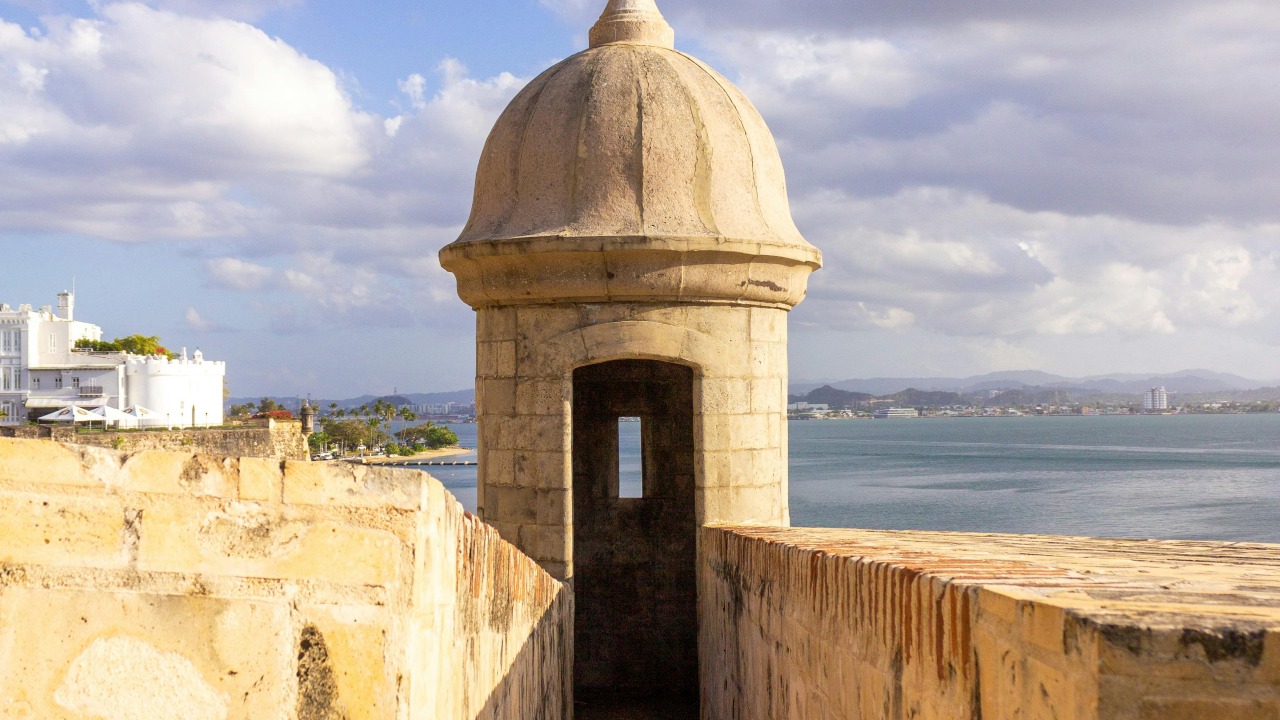
San Juan, Puerto Rico, USA
San Juan rocks if you want familiar U.S. systems, English-speaking hospitals, and walkable beachfront neighborhoods—but if you use a walker or wheelchair, those pretty cobblestones and crumbling sidewalks will make you want to scream or throw rocks. Pick your neighborhood carefully.
San Juan gives you compact tourist zones where hotels, pharmacies, and restaurants cluster together—Old San Juan, Condado, Miramar, Isla Verde. You won't need a car if you stay in the right spot. As a U.S. territory, you get U.S. medical standards, U.S. dollars, and English widely spoken in tourism and healthcare. That's a huge stress reducer for older Americans.
Daily costs run lower than big mainland cities, but beachfront neighborhoods and imported goods will hit your wallet. If you're on a fixed income, pay attention to where you're staying and what you're buying.
Getting around
The Tren Urbano (metro) runs 10.7 miles and connects with buses and the Cataño ferry. It's been offering free rides while they update ticketing. Sounds great, except:
Stations aren't always near hotels
Buses are inconsistent for accessibility and schedules
You'll probably end up using taxis, Uber, or hotel shuttles like everyone else
Wheelchair-accessible taxis exist but arrange them through your hotel in advance—don't assume you'll find one on the street.
If you need elevators: Modern hotels and malls in Condado, Miramar, and Isla Verde are built to U.S. standards. Skip the charming walk-ups in Old San Juan.
San Juan runs on U.S. dollars, so for Americans, there’s no need to mess with currency exchange. ATMs are easy to find, but stick to ones inside banks or hotels—way less chance of your card getting skimmed.
When it comes to rental cars, the scams are real. Book only with the big names at the airport—think Avis, Enterprise, Hertz, or Charlie’s. Those off-airport “discount” spots like Dollar, Sixt, Thrifty, Budget, Routes, or Priceless? Steer clear. Snap photos of the car from every angle before you drive off, and bring your insurance declaration page just in case. Honestly, if you can, skip the rental altogether and just use Uber around San Juan. It’s easier.
Parking in Old San Juan? Don’t even bother with street parking. Even if you find a legal spot, you’re asking for tickets, hassles, or worse—gas siphoning happens. Use a garage and pay the fee. It’s worth it.
If you want real local food that won’t break the bank, you’ve got options. Café Manolin does classic Puerto Rican dishes—try the mofongo. Café el Punto offers great food and killer mojitos for a good price. Head to the fondas along Avenida Ponce de León in Santurce for cheap counter service. El Jibarito is the go-to in Old San Juan for Puerto Rican food, but expect a crowd; waits can hit an hour, and they don’t take reservations.
Need coffee? Café Nineteen on C. Loíza is a tiny walk-up, but their coffee is perfect.
Vegetarian? That’s not easy here, but Café Berlin near Plaza Colon has solid options, including vegan mofongo.
About those bio bay tours—they look amazing on Instagram, but real life is more subtle. You’ll see sparkles in the water, not glowing neon. For the best experience, pick a night with no moon.
Traffic here gets brutal, especially during rush hour—it’s right up there with LA or DC. Don’t trust Google Maps’ street names; follow the route, not the names, since the signs don’t always match. People drive aggressively—think more like Latin America than the mainland U.S.
A heads-up: San Juan is a city, not a laid-back beach town. It’s the third largest city in the Caribbean. Expect traffic, noise, and plenty of hustle. If you’re looking for island vibes, plan to explore beyond the city.
Dress smart: don’t walk around town in a swimsuit. Cover up, especially if you’re visiting a church. The Catholic faith means a lot here—respect goes a long way.
You’ll hear tiny coquí frogs singing at night. Locals love them, so never complain or joke about quieting them down.
Tipping runs just like the mainland—15-20% at restaurants, $10-15 for tour guides. Bring plenty of singles and small bills for tips and street vendors.
Want to explore? Check out puertoricodaytrips.com for free self-guided walking tours of Old San Juan.
La Factoría isn’t just a bar—it’s one of the world’s best. It gets crowded, but it’s absolutely worth a visit.
Tap water’s safe, so fill your bottle and skip the bottled stuff.
If you’re coming during hurricane season (June through November), keep an eye on the weather. Heavy rain can mean flooding and power outages, and you don’t want to be caught off guard.
Last thing: get small bills before you arrive—$1s, $5s, and $10s come in handy for tips and buying from vendors.
San Juan has a visibly mixed Afro-LatinX population. Black locals and expats say Puerto Rico is "very accepting of Black people and Black culture"—the population ranges from very light to very dark, and racism is generally less overt than mainland U.S. You'll blend into a racially mixed society.
**Where to stay:** Old San Juan, Condado, Ocean Park, Isla Verde—same as other tourists. No single "Black neighborhood," but Afro-Puerto Rican culture is woven throughout.
**Safety:** Crime is tied to specific areas, not race. Stay in tourist zones, use normal city precautions.
**Key cultural experiences:**
**Loíza** (just east of San Juan) - Heart of Afro-Puerto Rican culture. Bomba music, festivals, Piñones beach/food strip. Essential for Black heritage.
**Festival Bomba y Plena** - Major Afro-Puerto Rican celebration. June 27, 2026. Music, dance, culture.
**Fiestas de la Calle San Sebastián (SanSe)** - January, Old San Juan. Live music, parades, heavily features Afro-Puerto Rican performers.
**Afro-Puerto Rican tours** - History, food, dance tours available through Viator and similar platforms.
**Community resources:**
**Colectivo Ilé** - Anti-racist organization, public workshops on Afro-descendant identity.
**Taller Salud** (Loíza) - Grassroots group focused on Black communities, health access, economic development.
**Bottom line:** San Juan is genuinely welcoming for Black travelers. You won't face the same racial dynamics as mainland U.S. Strong Afro-Puerto Rican cultural presence. For Black travelers over 60 looking for Caribbean sun without racial stress, San Juan delivers.
# LGBTQ+-friendly rating for San Juan **Overall LGBTQ+ friendliness: 5/5** San Juan is one of the gayest, most welcoming cities in the Caribbean. Visible queer community, same-sex couples holding hands in tourist zones, vibrant nightlife. International LGBTQ travel organizations actively promote it. This isn't "tolerant"—this is genuinely welcoming. **Where LGBTQ+ travelers should stay:** **Condado** - The main gay district. Highest concentration of LGBTQ-friendly hotels, restaurants, beach access. "Gay beach" is here. Best base for first-time queer visitors. Easy Uber to Santurce's bars and clubs. **Santurce** (especially Calle Loíza and La Placita) - Artsy, nightlife-heavy, grittier. This is where the queer bar and club scene lives. More local, less polished than Condado. **Ocean Park** - Relaxed beach vibes between Condado and Isla Verde. Home to Coquí del Mar, a gay clothing-optional guesthouse. **LGBTQ+ resources for seniors:** **Waves Ahead / Los Centros de Todes** - Puerto Rican NGO running LGBTQ+ community centers, specifically focused on mental health and support for LGBTQ adults and older adults. The only direct services provider focused on LGBTQ+ and older adult communities. Free psychosocial services, support groups, community programs. This is a real resource if you need community or mental health support while traveling. **True Self Foundation** (San Juan-based) - Financial assistance, legal support, resources for gender-diverse people. Emphasis on trans, queer, non-binary communities. **Pride:** June every year. Main parade usually third or fourth Sunday of June. Route starts at Parque del Indio in Condado, marches along Ashford Avenue (oceanfront strip), ends at Parque del Tercer Milenio/Escambrón with stage, performances, beachside rally. Pride week includes nightly parties across Condado and Santurce. This is the liveliest queer period of the year. **Recurring events:** Mercado Cuir (LGBTQ outdoor market at El Hangar in Santurce), drag and queer performance nights at venues like Vidy's in Río Piedras. **Bottom line:** San Juan is genuinely safe and welcoming for LGBTQ+ travelers over 60. Strong community infrastructure, visible queer presence, specific resources for older LGBTQ adults. If you're looking for Caribbean sun without worrying about holding your partner's hand or finding community, this is it.
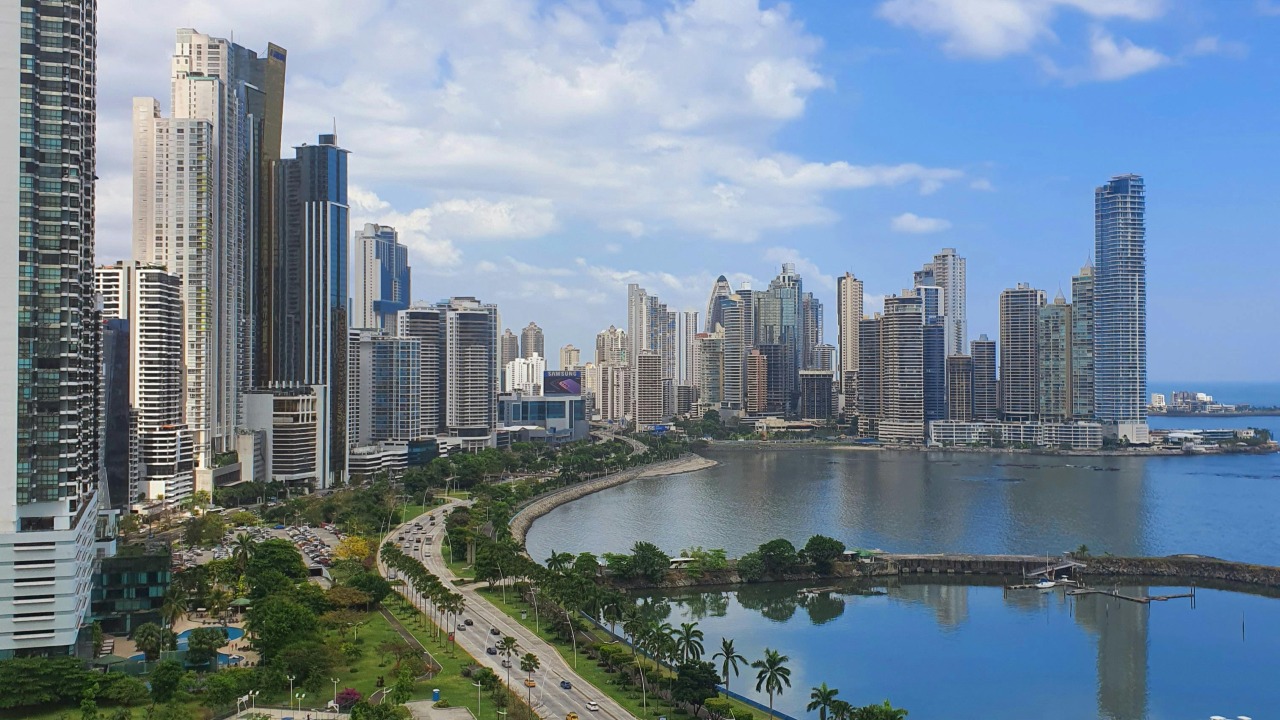

 Panama City is generally LGBTQ+ friendly, especially in central neighborhoods like Casco Antiguo and El Cangrejo. There’s a visible queer scene and an annual Pride event. Legal protections are still evolving, and acceptance isn’t uniform everywhere, but most LGBTQ+ travelers feel safe and welcome in the city. Fundación Iguales (Panama) 🌈 LGBTQ+ rights & legal advocacy organization 🔗 Website: fundacioniguales.org Fundación Iguales is a Panamanian non-profit focused on LGBTQ+ human rights, education, and legal advocacy. While it’s not a community center or social hub, it’s a respected local organization and a useful reference point for rights-related information and community visibility in Panama. Bottom line: LGBTQ+ friendly, but situational awareness still matters.