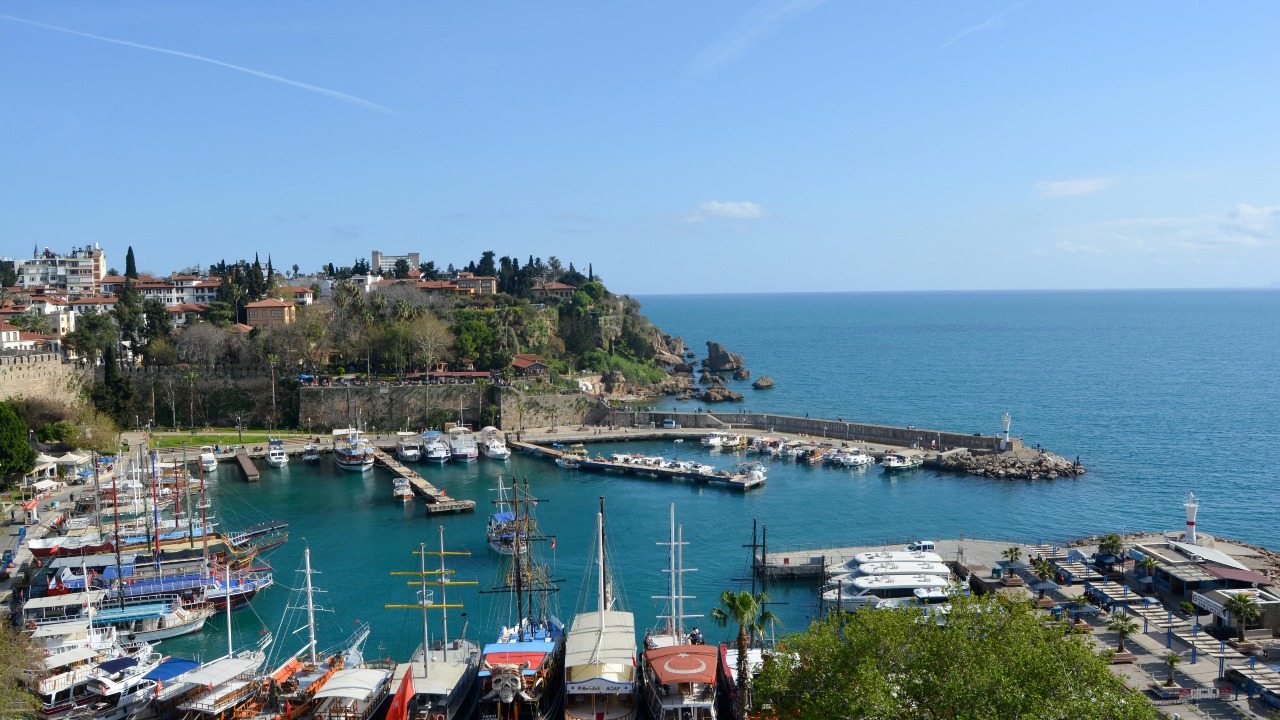
Barbados gets a lot right for senior travelers. English is the official language, so you won't struggle to communicate in hospitals or navigate services. The culture respects elders—not as a tourism marketing gimmick, but as actual national policy. The west coast has calm Caribbean waters, the island is small and manageable, and it's one of the safer Caribbean destinations. Medical care is solid, with both public and private hospitals that cater to international patients. Here's what they don't advertise: Barbados is expensive. You're looking at $400-450 USD per day for a typical visitor, with hotel rooms averaging $470 per night for two people. Even "budget" days run around $175 USD. The infrastructure is improving for accessibility—some beaches have beach wheelchairs, newer buses are wheelchair-friendly—but step off the resort strip and you'll hit narrow, broken, or missing sidewalks. Most minibuses and ZR vans are still inaccessible. Barbados is working on accessibility but it's inconsistent. Tourist areas on the south and west coasts have some renovated sidewalks, curb ramps, and improved public restrooms. Many older streets still have broken or missing pavements and uneven surfaces. Public transport is mixed. Standard yellow minibuses and ZR vans are hard to use. But some Transport Board buses (including new electric ones) are wheelchair-friendly. Specialist accessible taxis and tours are available. Some beaches have beach wheelchairs. Resorts increasingly offer adapted rooms. Most accessibility requires advance planning and booking. If you can afford it and don't need perfect accessibility everywhere, Barbados delivers comfort, safety, and respect. If you're on a fixed income or use mobility aids extensively, the cost and infrastructure gaps will frustrate you.

Medical Tourism Destination
Combine travel with affordable, quality healthcare. These cities have accredited hospitals, English-speaking doctors, and systems built for foreign patients. Dental work, vision care, screenings, and specialist visits at a fraction of US prices.
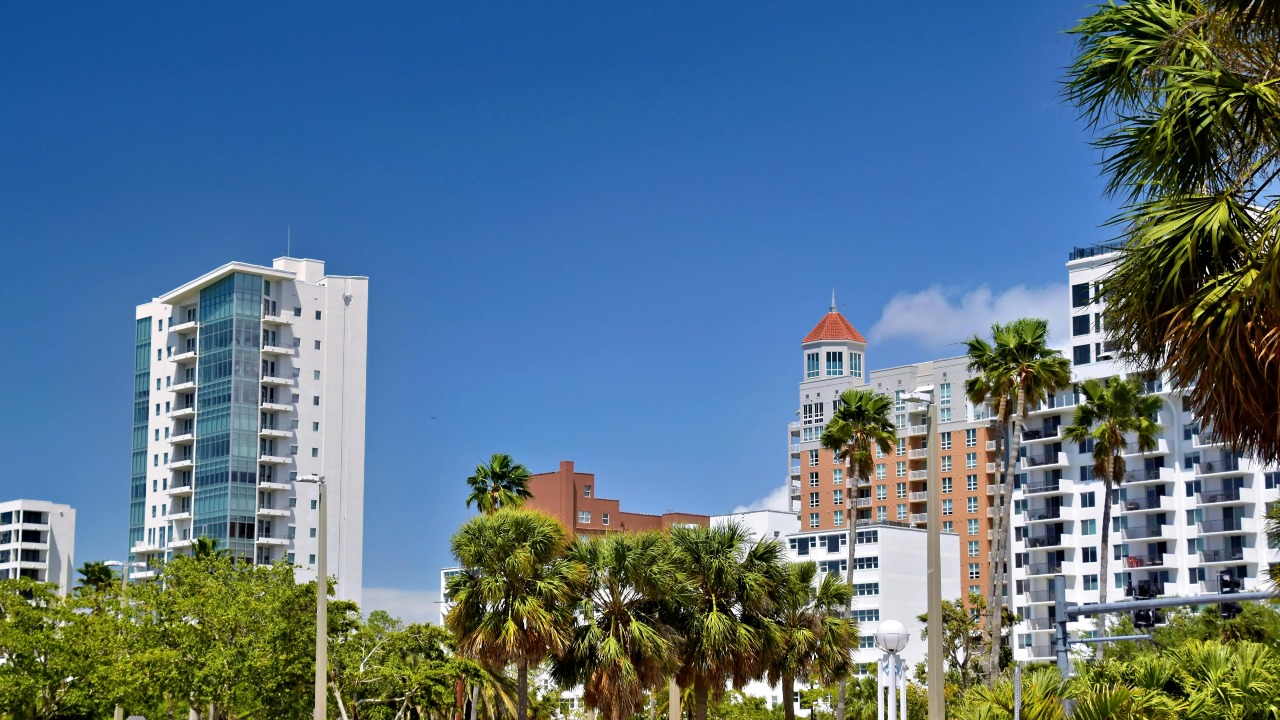
Sarasota is what happens when a city actually commits to being age-friendly instead of just saying it. This was the first WHO/AARP age-friendly community in Florida, and they didn't stop there—they paired age-friendly community, health system, AND public health designations. That's not marketing. That's infrastructure. You get geriatric emergency departments, accessible trolleys, and senior programming that actually exists. The medical care is legitimately some of the best in the country. But here's the catch: Sarasota assumes you're driving. Public transit exists but it's patchy. If you don't have a car, your neighborhood choice matters a lot. And crime is higher than the Florida and U.S. averages in some areas, so you need to be strategic about where you stay. This isn't a walkable European city—it's a car-dependent coastal Florida town that's working hard to add accessibility features to a system built for drivers. In other words, accessibility is strongest in tourist areas, beaches, and downtown. Breeze Transit buses and the free Bay Runner trolley have wheelchair lifts and kneeling capability. Breeze Plus paratransit serves ADA-eligible riders. Sidewalks, curb ramps, and pedestrian signals are prioritized near main corridors, but suburban areas have gaps, wide crossings, and no shade. Public restrooms and benches are common at beaches and parks, less common along main roads. If you tire easily, stay near a trolley route or beach access to reduce walking. If you want excellent healthcare, warm weather, and a slower pace with real senior support, Sarasota delivers. Just plan your transportation and location carefully.
Penang is a Malaysian island that's working hard to be friendly for older travelers. You get amazing food, beautiful old buildings, beaches, and people who treat you with respect. The government is fixing sidewalks and adding elevators to make things easier. But here's the truth: it's not perfect yet. Some old streets still have bumpy paths and steps. If you can deal with that, Penang is worth it. The medical care here is really good. The food is incredible. And you won't spend all your money just existing. Just watch out for scammers who target seniors online.
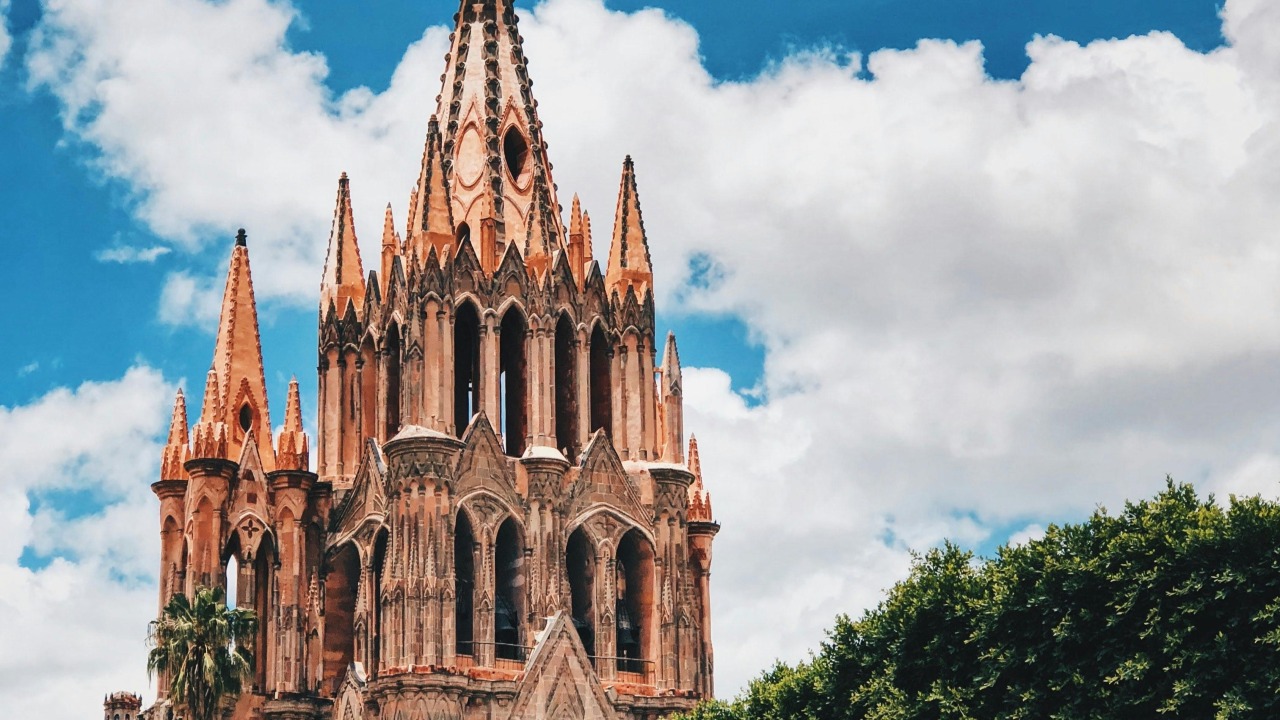
Let take a clear eyed look at San Miguel de Allende. This colonial town is gorgeous. UNESCO said so. The architecture looks like a postcard. Art galleries line the streets. Cafés spill onto plazas. And roughly 10% of the people living here are American or Canadian retirees who made this place home. That expat community is both the gift and the warning. The gift? English-speaking doctors everywhere. Modern private hospitals with real equipment. Shorter wait times. Lower costs than back home. People who will help you find a taxi or offer an arm on a steep street. You will not feel alone here. The warning? Those beautiful cobblestone streets will try to take you down. I'm talking narrow sidewalks. Uneven stones. Steps that appear out of nowhere. Dips where driveways meet the street. Tree roots. No ramps. If you use a cane, walker, or wheelchair—or if your balance isn't what it used to be—this town will test you. Even young travelers in hiking boots complain. There's a real, established Black community here. A private Facebook group with 1,800+ members. Black-owned guesthouses and relocation services. Regular brunches and gatherings. Black expats describe feeling "more human and less categorized" than in the U.S. Not perfect—but better. Here's the other thing the pretty photos don't show: crime is up. San Miguel now ranks among Mexico's 50 most violent areas. Shootings made the news in 2024 and 2025. Most tourists won't see this. You'll probably be fine. But you should know the numbers don't match the postcard. Can seniors visit? Yes. Should you be fit enough to handle hills and cobblestones? Absolutely. Should you combine short walks with taxis and stay aware of your surroundings? That's the move.
Let me be clear with you. Medellín is not the dangerous place you may remember from old news stories. Today, it’s one of the most comfortable cities in Latin America. That’s why so many retirees end up here. The weather stays in the low 70s all year. No hot summers. No cold winters. Just easy, comfortable days. Getting around is simple. The metro is clean and reliable. The cable cars let you see the whole valley while you sit and ride — no climbing steep hills. What I like most is how close everything is. Groceries. Pharmacies. Parks. Great coffee. You’re usually just a short taxi or metro ride away, not stuck in long drives. Healthcare here is very good. Hospitals are modern and well-run. Many doctors speak English and trained in the U.S. or Europe. And the cost is much lower than in the States. If you're Black, here's something you won't hear about most destinations: Medellín actually feels comfortable. Black travelers consistently say skin color matters less here than back home. There's a visible Afro-Colombian community, Black-owned businesses like Sweet Georgia Cafe in Laureles, and annual celebrations like the Black Joy Parade. You won't be stared at like a spectacle. You'll just be another person enjoying the city. You still need common sense. Sidewalks can be uneven. Traffic moves fast. And like any big city, it’s smart to stay aware, especially at night. But day to day? Medellín is calm, livable, and surprisingly easy.
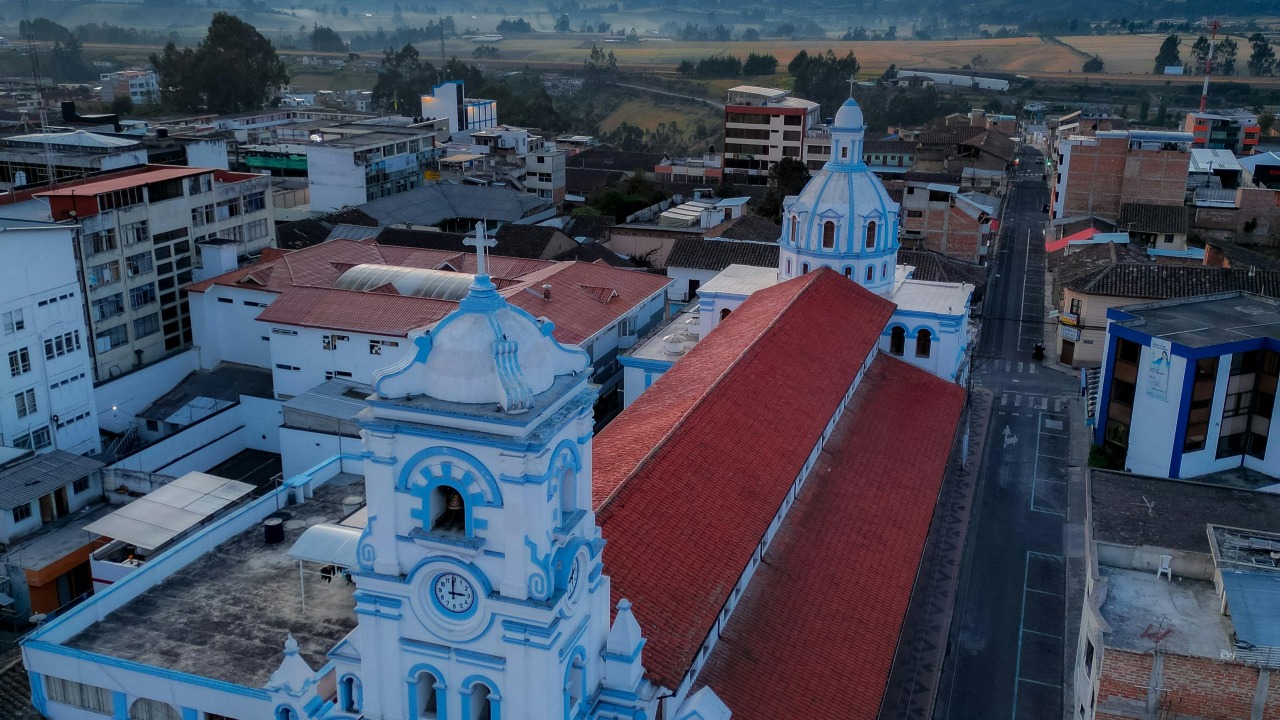
Let me be real with you about Cuenca. This city sits high in the mountains. It's 8,300 feet up. That's almost two miles above sea level. The weather feels like spring all year long. Not too hot. Not too cold. Many Americans move here to retire. Why? The doctors are good. The hospitals are modern. And your money goes much further than back home. But here's what most websites won't tell you: the sidewalks are a mess. I mean cracked. Uneven. Full of holes. There are steps in the middle of the sidewalk with no warning. Tree roots push up through the concrete. Dogs wander around. People sell things and block your path. If you use a cane or walker, this matters. If you have trouble with balance, this matters. You need to know this before you book your trip. The good news? Taxis cost $2-5 and are everywhere. You don't have to walk if you don't want to. The city has good things too. Churches. Museums. Parks by the river. Cafes where you can sit and rest. A new tram that's easy to get on and off. Three private hospitals with doctors who speak English. And here's something nice: people here respect older adults. They call seniors "abuelitos" with kindness. Store workers slow down for you. Neighbors check on you. That feels different from the U.S. The math works. The medical care works. The culture works. The sidewalks? You'll need a plan.