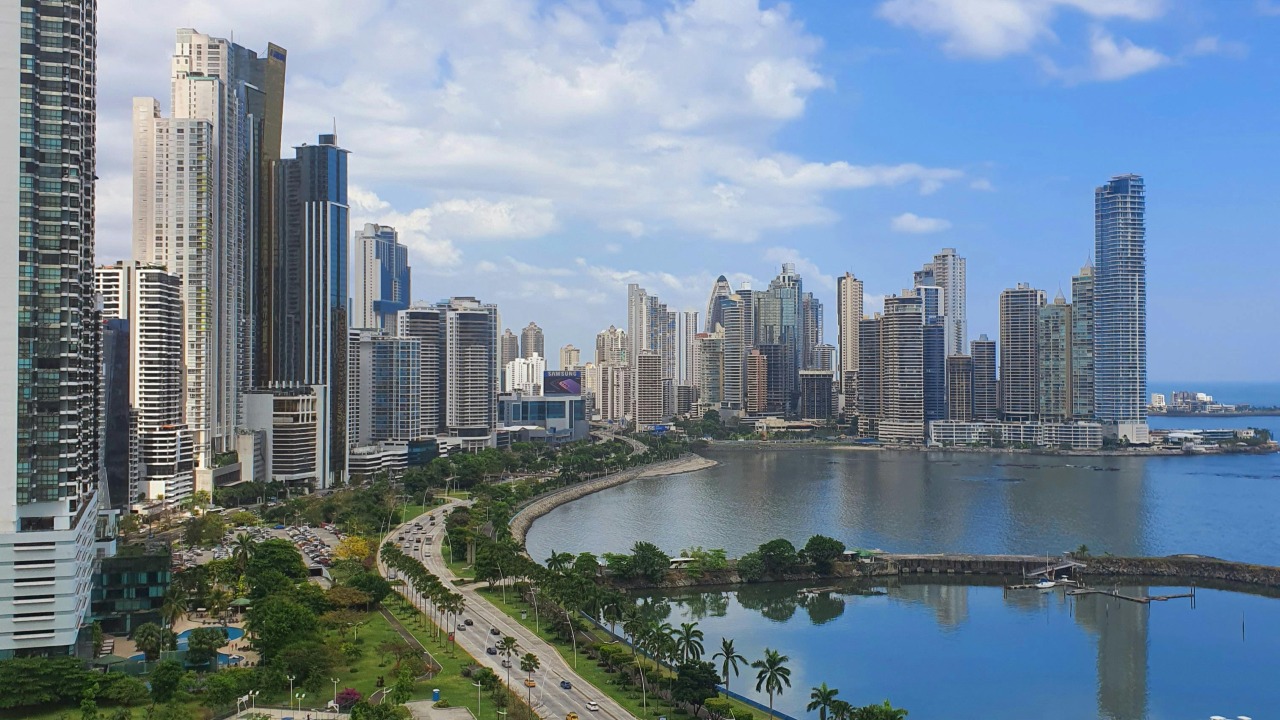
Established communities of foreign retirees mean the groundwork is done. English-friendly services, familiar products, expat groups, and locals who know how to help older foreigners navigate daily life comfortably.
Mérida, Mexico is one of the best cities in Latin America for older travelers. It's super safe, has great doctors, and the old part of town is small enough to explore without rushing. The city feels like stepping back in time - beautiful colorful buildings, town squares, and cute cafes - but you don't need a long flight to get there. Lots of Americans and Canadians retire here because it's stable and has that Old World charm.
Now, let's be real: the sidewalks can be a mess, it gets HOT, and the buses aren't great if you need help getting around. The main plaza area is pretty flat and you can get around if you're careful. Some tour companies work specifically with seniors and people who use wheelchairs. But here's the hard truth: most sidewalks in Mérida are narrow, broken, or just missing. Curbs are high, and only newer buses have ramps. Most older folks use taxis or Uber instead of trying to walk everywhere.
But here's the good news - you can book guided tours, Uber and taxis are cheap, and the blocks around Plaza Grande are flat and easy to walk. Just plan your day around the noon heat and pick your hotel carefully.
Cultural Experiences
Mexico & Caribbean
Solo Friendly
Strong Expat Infrastructure
Solo Safety Rating
Value Rating
Kim's Insider Tips
I need to search for information about local favorites and must-see experiences in Mérida that both locals and tourists love.Here are the don't-miss aspects of Mérida that locals love and tourists need to experience, written in your voice at a 5th grade reading level:
## Don't Miss These Local Favorites
**Sunday Traditions - The whole city celebrates**
Every Sunday morning, Mérida turns into one giant party. The main street (Paseo de Montejo) closes to cars from 8am to 12:30pm for "La Biciruta" - a weekly bike ride where families, kids, seniors, and tourists bike, walk, or skate through the city together. You can rent bikes for cheap or use the free city bikes. Then from 9am to 7pm, "Mérida en Domingo" takes over with food stalls, artisan markets, live music, and dancing at Plaza Grande and up Calle 60. This is Mérida at its happiest - locals love this tradition and you'll see the real heart of the city.
**Thursday Nights at Santa Lucía Park - Pure magic**
Every Thursday at 9pm, Parque Santa Lucía hosts the "Serenata Yucateca" - a free outdoor concert with traditional music, dancers in gorgeous costumes, poetry, and storytelling about Yucatán history. This has been happening since 1965 and it's where many people (including expats) fall in love with Mérida. Get there early to grab one of the iconic giant "you and me" chairs (perfect for photos) or make a reservation at one of the restaurants around the square. Locals pack this place every Thursday - it's THAT good.
**Traditional Cantinas with Free Food**
Here's a secret: in traditional Mérida cantinas, when you order a beer, you get FREE plates of food called "botanas" - usually 4-5 dishes per beer! You'll get refried beans with chips, empanadas, mini burgers, ceviche, and more. Each cantina has its own specialties, live bands play loud music, and the vibe is pure fun. Local favorites include Dzalbay Cantina, La Negrita, El Cardenal, and Eladio's (which allows kids). These places close early - around 8pm - so go before dinner.
**Lucas de Gálvez Market - Real local life**
Forget tourist markets. Lucas de Gálvez is where LOCALS shop for food and daily life. It's busy, alive, and authentic - fresh fruit juice stands, taco stalls, produce vendors yelling out their deals. Try foods you've never seen before, taste local specialties, soak in the energy. This isn't where you buy souvenirs - this is where you see how Mérida really lives. It can feel a bit chaotic compared to the pretty plazas, but that's exactly why locals love it.
**Yucatecan Food You Can't Get Anywhere Else**
Mérida has its own regional cuisine that's totally different from other Mexican food. You HAVE to try:
- **Cochinita pibil** - slow-roasted pork marinated in achiote and orange juice, wrapped in banana leaves
- **Panuchos** - two fried tortillas with black beans between them, topped with chicken, pickled onion, and avocado (locals say this is the best food in Mexico)
- **Marquesitas** - crispy rolled crepes filled with cheese and your choice of toppings, sold from street carts everywhere
Locals swear by spots like Cafeteria Impala (been there since 1958) and the Sunday market food stalls.
**Free Cultural Events Every Single Night**
Mérida offers free entertainment every night of the week:
- **Monday 9pm**: Vaquería dance at Plaza Grande - traditional folkloric dancing in stunning costumes
- **Tuesday 8:30pm**: Big band music at Parque Santiago
- **Wednesday 8pm**: Video mapping at Casa Montejo - historical storytelling through lights
- **Thursday 9pm**: Serenata at Santa Lucía (mentioned above)
- **Friday 9pm**: "Sacred Stones" - the Cathedral lights up with colorful video mapping
- **Saturday 8pm**: Noche Mexicana at Paseo de Montejo - traditional music and dance performances
Locals plan their week around these events. They're all FREE.
**The "Kissing Chairs" or "Confidante Chairs"**
All over Mérida's parks you'll see these giant white double chairs shaped so two people sit facing each other. The story goes that young couples in love weren't allowed to sit close on benches, but these chairs let them look at each other and sneak kisses without actually touching. Whether you're with a partner, friend, or traveling solo, sit in one - it's a Mérida tradition. The best ones are at Santa Lucía Park.
**Early Morning Walk on Paseo de Montejo**
Wake up early and walk down Paseo de Montejo before it gets hot. This wide, tree-lined boulevard (modeled after Paris's Champs-Élysées) is lined with incredible mansions from Mérida's wealthy past. The sidewalks here are actually WIDE and shaded - rare in Mérida - making it perfect for a morning stroll. Stop at Cafeteria Impala at the end for breakfast and people-watching. Locals do this walk, especially after the Sunday bike ride.
**Hidden Art Galleries in Colonial Houses**
Mérida has an amazing art scene, but you have to look for it - galleries are tucked behind unmarked doors in colonial houses. Check out Nahualli Casa de los Artistas (run by a family of artists), Caracol Púrpura (hidden courtyard with cafe), and SOHO Galleries. These aren't flashy storefronts - you wander through beautiful old homes filled with contemporary art. It's a treasure hunt locals love.
**Day Trip to Yellow Izamal**
Just an hour away is Izamal, one of Mexico's "Pueblos Mágicos" (magical towns). The ENTIRE city is painted bright yellow - streets, buildings, everything. You can climb the Kinich Kakmó pyramid for views, ride in horse-drawn carriages where the horses wear ladies' hats (seriously), and eat traditional food at old haciendas. Locals go here for weekend getaways. It's like stepping into a golden dream.
These traditions and spots are what make Mérida special to the people who live there. Join in and you'll feel like a temporary local, not just a tourist passing through.
Medical Infrastructure Rating
Black Community Resources
Mérida isn't a majority-Black city, but Black travelers will find the region's Afro-diasporic history interesting. Most heritage tours focus on Indigenous Maya history rather than Black history. That said, Mérida has a strong reputation for being safe and friendly to foreign visitors, including Black seniors.
If you want specific Black heritage programming, you'd need to pair Mérida with Afro-Mexican coastal regions in other states. In Mérida itself, the win is safety, low harassment, and deep culture - not dedicated Black community centers.
LGBTQ+-FRIENDLY
LGBTQ+ Community Resources
Mérida is more conservative than Mexico City or Guadalajara, but it's becoming a regional LGBTQ+ destination. There's a company called Merida Gay Tours that does LGBTQ+-friendly walking tours, cantina nights, cenote trips, and multi-day tours. You'll find places like Blue Gay Club and pop-up ballroom events. People in the community say the queer scene is still small but growing. They recommend staying near the northern part of town or along Calle 60 in the center. Join English-speaking Facebook groups like "Expat Gay Men's Forum of Mérida" to connect with other folks.
Penang is a Malaysian island that's working hard to be friendly for older travelers. You get amazing food, beautiful old buildings, beaches, and people who treat you with respect. The government is fixing sidewalks and adding elevators to make things easier. But here's the truth: it's not perfect yet. Some old streets still have bumpy paths and steps. If you can deal with that, Penang is worth it.
The medical care here is really good. The food is incredible. And you won't spend all your money just existing. Just watch out for scammers who target seniors online.
Asia Pacific
Budget-Friendly for Fixed-Income Travelers
Coastal/Beach Destinations
Medical Tourism Destination
Strong Expat Infrastructure
Solo Safety Rating
Value Rating
Medical Infrastructure Rating
Black Community Resources
Penang is multicultural (Chinese, Malay, Indian populations), but that doesn't mean Black travelers will feel welcomed or represented. There are no Black-focused resources, neighborhoods, or communities. You probably won't face outright hostility, but don't expect to see yourself in ads, media, or local culture. It's more "you can visit without major problems" than "you'll feel at home here."
LGBTQ+ Community Resources
Malaysia has laws against same-sex relationships, and while Penang is more tolerant than other Malaysian cities, that's a low bar. George Town has some discreet LGBTQ-friendly venues and a cosmopolitan vibe, but you need to keep public affection private and stay cautious. There's no pride parade. You can exist here, but you can't be fully open. If you need a truly LGBTQ-friendly destination, look elsewhere.
Let take a clear eyed look at San Miguel de Allende.
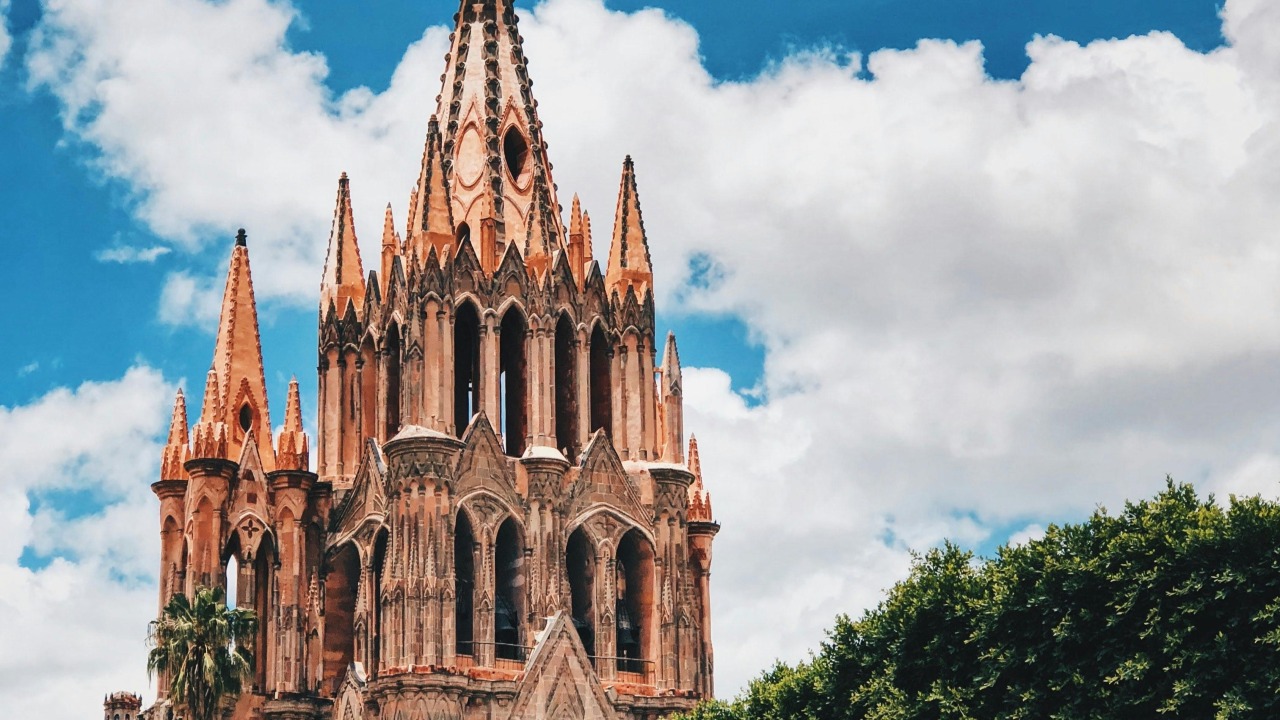
This colonial town is gorgeous. UNESCO said so. The architecture looks like a postcard. Art galleries line the streets. Cafés spill onto plazas. And roughly 10% of the people living here are American or Canadian retirees who made this place home.
That expat community is both the gift and the warning.
The gift? English-speaking doctors everywhere. Modern private hospitals with real equipment. Shorter wait times. Lower costs than back home. People who will help you find a taxi or offer an arm on a steep street. You will not feel alone here.
The warning? Those beautiful cobblestone streets will try to take you down.
I'm talking narrow sidewalks. Uneven stones. Steps that appear out of nowhere. Dips where driveways meet the street. Tree roots. No ramps. If you use a cane, walker, or wheelchair—or if your balance isn't what it used to be—this town will test you. Even young travelers in hiking boots complain.
There's a real, established Black community here. A private Facebook group with 1,800+ members. Black-owned guesthouses and relocation services. Regular brunches and gatherings. Black expats describe feeling "more human and less categorized" than in the U.S. Not perfect—but better.
Here's the other thing the pretty photos don't show: crime is up. San Miguel now ranks among Mexico's 50 most violent areas. Shootings made the news in 2024 and 2025. Most tourists won't see this. You'll probably be fine. But you should know the numbers don't match the postcard.
Can seniors visit? Yes. Should you be fit enough to handle hills and cobblestones? Absolutely. Should you combine short walks with taxis and stay aware of your surroundings? That's the move.
Cultural Experiences
Extended Stay
Medical Tourism Destination
Mexico & Caribbean
Strong Expat Infrastructure
Solo Safety Rating
Value Rating
Kim's Insider Tips
Don't just pack comfortable shoes—pack ankle-supporting shoes. Ballet flats won't cut it. You need real tread and real support. The cobblestones are that uneven.
Taxi drivers in San Miguel know the town better than Google Maps. Have your destination written down in Spanish. "El Jardín" is the main plaza. "Hospital Joya" or "Hospital MAC" for medical care. A written note saves confusion.
If you have ongoing health issues, contact Hospital Joya San Miguel BEFORE you travel. They serve expats all day long. They can set up appointments, coordinate with your U.S. doctors, and make sure you're not scrambling if something goes wrong. That's not tourism—that's planning like an adult whose body has needs.
One more thing: November through April is the sweet spot. Weather is mild. The town fills with fellow travelers your age. Summer brings rain and humidity. Plan your trip around your joints, not cheap airfare.
San Miguel de Allende can work for travelers 60+ who are honest about their mobility. If you can handle hills and cobblestones, use taxis freely, and stay aware of your surroundings, you'll find a town that genuinely welcomes older visitors.
The healthcare is real. The cultural richness is real. The kindness of the locals is real.
But so are the fall risks and the rising crime numbers.
Go with open eyes. Wear good shoes. Plan for your body's actual needs—not the body you had at 45.
The world doesn't stop being interesting because we're over 60. We just have to be smarter about how we explore it.
Medical Infrastructure Rating
Black Community Resources
San Miguel has a growing Black American community. Many Black residents say they feel freer here than they did in the U.S., while still being mindful they are guests in a Mexican town.
There is no single Black neighborhood. People live all over the city and stay connected through online groups, meetups, and Black-owned businesses.
A key hub is the private Facebook group “Black SMA: San Miguel de Allende,” which shares housing tips, doctors, services, and social events.
LGBTQ+-FRIENDLY
LGBTQ+ Community Resources
San Miguel attracts many LGBTQ+ retirees and travelers. People often describe it as friendly, creative, and supportive. Mexico’s laws protect LGBTQ+ people, and most visitors feel safe being themselves here. There isn’t one “gay neighborhood.” LGBTQ+ life is spread across town, especially near Centro Histórico and Parque Benito Juárez. Pride events usually happen in mid-July, with a march starting near Parque Benito Juárez and moving through Centro.
Let me be clear with you.
Medellín is not the dangerous place you may remember from old news stories.
Today, it’s one of the most comfortable cities in Latin America. That’s why so many retirees end up here.
The weather stays in the low 70s all year.
No hot summers.
No cold winters.
Just easy, comfortable days.
Getting around is simple. The metro is clean and reliable. The cable cars let you see the whole valley while you sit and ride — no climbing steep hills.
What I like most is how close everything is.
Groceries.
Pharmacies.
Parks.
Great coffee.
You’re usually just a short taxi or metro ride away, not stuck in long drives.
Healthcare here is very good. Hospitals are modern and well-run. Many doctors speak English and trained in the U.S. or Europe. And the cost is much lower than in the States.
If you're Black, here's something you won't hear about most destinations: Medellín actually feels comfortable. Black travelers consistently say skin color matters less here than back home. There's a visible Afro-Colombian community, Black-owned businesses like Sweet Georgia Cafe in Laureles, and annual celebrations like the Black Joy Parade. You won't be stared at like a spectacle. You'll just be another person enjoying the city.
You still need common sense. Sidewalks can be uneven. Traffic moves fast. And like any big city, it’s smart to stay aware, especially at night.
But day to day?
Medellín is calm, livable, and surprisingly easy.
Black Friendly
Budget-Friendly for Fixed-Income Travelers
Extended Stay
Medical Tourism Destination
South America
Solo Safety Rating
Value Rating
Kim's Insider Tips
Learn “No Dar Papaya” — and live it
In Colombia, people say “No dar papaya.”
It means don’t make it easy for someone to take advantage of you.
Here’s what that looks like in real life:
Keep your phone put away.
Don’t walk with it in your hand.
Only take photos in safe places.
Some thieves use motorbikes to grab phones fast.
Walk facing traffic.
This helps you see what’s coming and keeps bags from being grabbed from behind.
Drink the tap water.
The water in Medellín is clean and safe.
It tastes good and meets high safety standards.
You don’t need bottled water here.
Use the Metro.
It’s clean, calm, and easy to use.
Young people often give seats to older adults.
Most places you want to see are near Metro or cable car stops.
Eat the “Menu del Día.”
From noon to about 3 p.m., many restaurants serve a full lunch for a low price.
You usually get soup, a main dish, and a drink.
This is how locals eat — good food, fair price.
Skip Escobar tours.
Many locals don’t like them.
That time caused real pain for the city.
If you’re curious, learn the history quietly on your own.
People here are friendly.
Smiles and small talk are normal.
It’s okay to enjoy that warmth.
Just don’t go home with someone you just met.
Medellín is welcoming.
Just stay smart, calm, and low-key — and you’ll do just fine.
Let me be real with you about Cuenca.
This city sits high in the mountains. It's 8,300 feet up. That's almost two miles above sea level. The weather feels like spring all year long. Not too hot. Not too cold.
Many Americans move here to retire. Why? The doctors are good. The hospitals are modern. And your money goes much further than back home.
But here's what most websites won't tell you: the sidewalks are a mess.
I mean cracked. Uneven. Full of holes. There are steps in the middle of the sidewalk with no warning. Tree roots push up through the concrete. Dogs wander around. People sell things and block your path.
If you use a cane or walker, this matters. If you have trouble with balance, this matters. You need to know this before you book your trip.
The good news? Taxis cost $2-5 and are everywhere. You don't have to walk if you don't want to.
The city has good things too. Churches. Museums. Parks by the river. Cafes where you can sit and rest. A new tram that's easy to get on and off. Three private hospitals with doctors who speak English.
And here's something nice: people here respect older adults. They call seniors "abuelitos" with kindness. Store workers slow down for you. Neighbors check on you. That feels different from the U.S.
The math works. The medical care works. The culture works. The sidewalks? You'll need a plan.
Budget-Friendly for Fixed-Income Travelers
Extended Stay
Medical Tourism Destination
South America
Strong Expat Infrastructure
Solo Safety Rating
Value Rating
Kim's Insider Tips
The sidewalks aren't getting fixed anytime soon. Don't fight it. Work around it.
Get a taxi driver's number from your hotel. Or download a taxi app before you land. Budget $10-15 a day for rides. Think of it as your transportation cost, not a luxury. That's still less than one Uber ride in most U.S. cities.
For medical care: Hospital Universitario del Río is the one expats trust most. Many doctors trained in the U.S. or Europe. If you have health issues, contact them BEFORE your trip. Set up appointments early. Ask for English-speaking doctors in your area of need.
About the altitude: Give your body time. Plan to do very little for your first 2-3 days. Drink water. No alcohol at first. Watch for headaches, dizziness, or feeling very tired. This isn't being dramatic. It's being smart about a body that's done 60+ years of hard work.
Let’s have a heart-to-heart about Panama City.
It can work beautifully for travelers over 60.
And like any real city — New York included — it’s best understood without rose-colored glasses.
The strengths are real.
This is a modern city with excellent private healthcare.
U.S. dollars are accepted everywhere.
Costs are reasonable — many people live well on $2,000–$3,000 a month.
A specialist visit at a top hospital runs about $50.
Try getting that in Miami.
Hospital Punta Pacífica is a standout. It’s JCI-accredited, meaning it’s held to the same international patient-safety and quality standards used by major U.S. hospitals like Johns Hopkins, Mayo Clinic, and NYU Langone. Doctors are U.S.- and European-trained, English-speaking, and the systems are designed to protect patients — not just look impressive.
If medical access matters to you, Panama City delivers.
Transportation is another strength.
The Metro is clean, modern, and inexpensive — about 35 cents per ride. Adults 62+ can receive the senior fare (around 24 cents) by obtaining a Metro senior card, which is issued in person with valid ID at Metro customer service offices and select stations. Stations have elevators and escalators, and this isn’t a visitor perk — it’s everyday infrastructure.
And let's not forget—you're minutes from one of the engineering wonders of the world. The Panama Canal is right here. Miraflores Locks has a visitor center with elevators, air conditioning, and seating where you can watch massive ships pass through. It's genuinely awe-inspiring, and it's accessible for seniors
Now, a few things people sometimes overlook.
Sidewalks can be uneven or incomplete in many areas. That doesn’t make the city unwalkable — but it does mean walking everywhere isn’t always the easiest option, especially if you have mobility concerns. Many residents rely on taxis and rideshares as part of daily life.
And like any large city, neighborhood dynamics vary.
I live in Bed-Stuy, Brooklyn.
For years, people described my neighborhood in ways that didn’t match reality.
So I don’t label places as “good” or “bad.”
I think in terms of familiarity, comfort, and fit.
Some areas — like El Chorrillo, Curundú, and parts of Calidonia and Santa Ana — are places where visitors benefit from local knowledge, language skills, or a strong sense of how cities work. If you’re from New York, this may feel intuitive. If you’re not, it’s reasonable to choose areas that feel simpler and more supportive while you get oriented.
Many people gravitate toward flatter terrain, newer buildings, elevators, and proximity to healthcare — not because other neighborhoods are off-limits, but because these features reduce friction in daily life.
Add in the tropical heat — the kind that encourages an afternoon pause — and pacing becomes part of the lifestyle.
Bottom line:
Panama City isn’t about chasing a perfect neighborhood.
It’s about understanding how the city functions — and choosing what supports your body, rhythm, and peace.
Seen clearly, it can be a remarkably comfortable and well-resourced place to land
Accessibility + Mobility-Friendly
Black Friendly
Central America
Cultural Experiences
Extended Stay
Solo Safety Rating
Value Rating
Kim's Insider Tips
Panama City isn’t a universal fit for everyone over 60 — and that’s okay. (Nothing is.)
It’s hot. Sidewalks vary. Like any real city, some areas ask for more awareness than others.
Taxi apps are safer than street hails. I was actually overcharged for days by a car service that was suggested by our hotel so be wary. Uber and Bolt show you the price upfront, track your route, and create a record of your trip. Use them.
But for people who plan thoughtfully, pace themselves with the climate, and care deeply about accessible, high-quality healthcare, this city offers something genuinely rare.
Where else do you find a Johns Hopkins–affiliated, JCI-accredited hospital, U.S. dollars, modern apartments with elevators and ocean views, reliable rideshares, and a comfortable cost of living under $2,500 a month?
Panama City rewards preparation — understanding how neighborhoods function, choosing a building that supports your body, and accepting that taxis and rideshares are often part of daily life.
Do that, and the city opens up beautifully.
The world doesn’t stop being interesting after 60.
We just travel it with more discernment — and Panama City meets that moment with grace.
Medical Infrastructure Rating
Black Community Resources
Panama City has a large Afro-Panamanian population, and Black culture is woven into the country’s history, music, and everyday life. While colorism and discrimination still exist, many Black travelers report a sense of cultural familiarity and visible Black communities throughout the capital.
Afro-heritage festivals and Garifuna and Afro-Panamanian cultural events appear throughout the year. Visitors who want deeper connection can seek out Black-owned tours, cultural centers, and historical experiences, particularly in and around Casco Antiguo.
LGBTQ+-FRIENDLY
LGBTQ+ Community Resources
Panama City is generally LGBTQ+ friendly, especially in central neighborhoods like Casco Antiguo and El Cangrejo. There’s a visible queer scene and an annual Pride event. Legal protections are still evolving, and acceptance isn’t uniform everywhere, but most LGBTQ+ travelers feel safe and welcome in the city. Fundación Iguales (Panama) 🌈 LGBTQ+ rights & legal advocacy organization 🔗 Website: fundacioniguales.org Fundación Iguales is a Panamanian non-profit focused on LGBTQ+ human rights, education, and legal advocacy. While it’s not a community center or social hub, it’s a respected local organization and a useful reference point for rights-related information and community visibility in Panama. Bottom line: LGBTQ+ friendly, but situational awareness still matters.
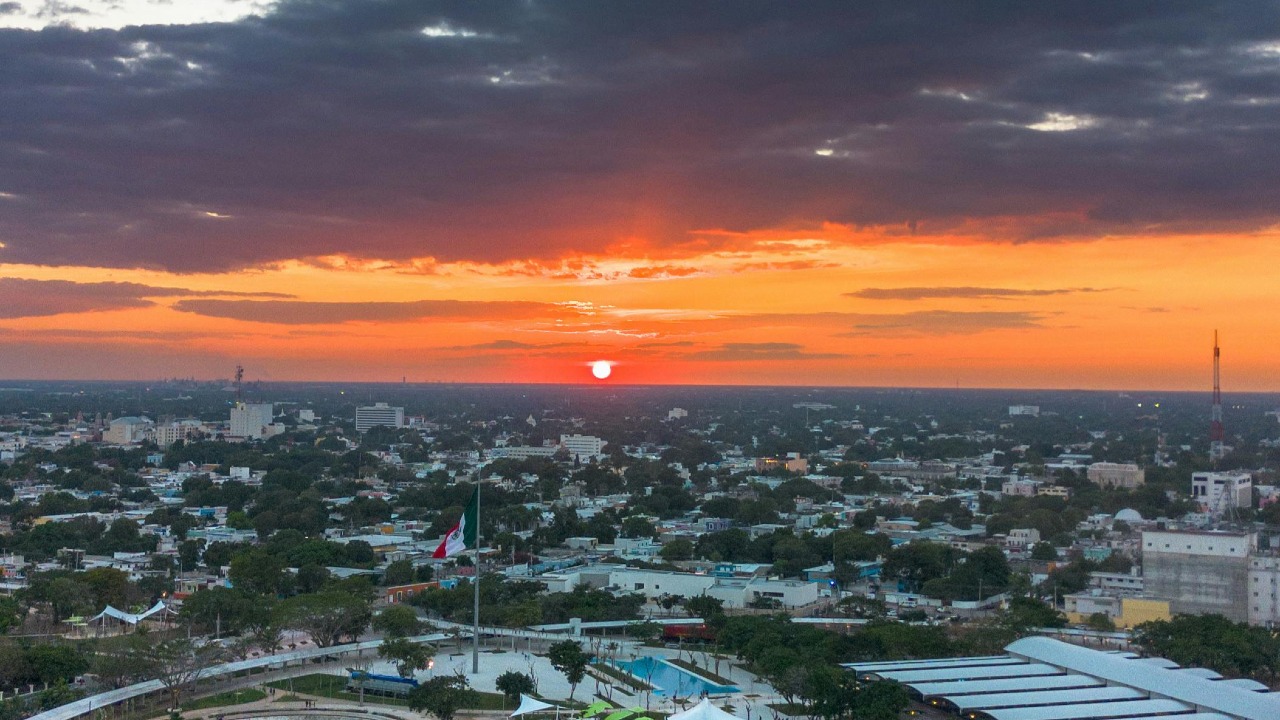

 Mérida is more conservative than Mexico City or Guadalajara, but it's becoming a regional LGBTQ+ destination. There's a company called Merida Gay Tours that does LGBTQ+-friendly walking tours, cantina nights, cenote trips, and multi-day tours. You'll find places like Blue Gay Club and pop-up ballroom events. People in the community say the queer scene is still small but growing. They recommend staying near the northern part of town or along Calle 60 in the center. Join English-speaking Facebook groups like "Expat Gay Men's Forum of Mérida" to connect with other folks.