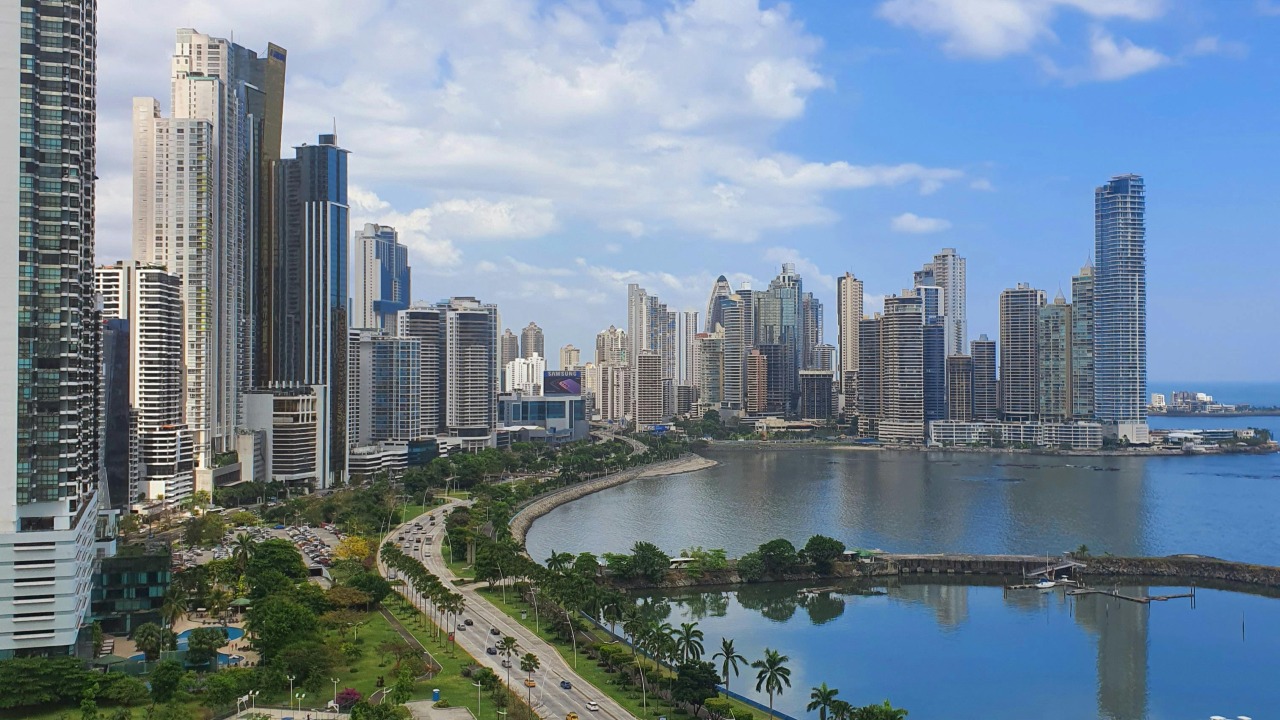
Let’s have a heart-to-heart about Panama City. It can work beautifully for travelers over 60. And like any real city — New York included — it’s best understood without rose-colored glasses. The strengths are real. This is a modern city with excellent private healthcare. U.S. dollars are accepted everywhere. Costs are reasonable — many people live well on $2,000–$3,000 a month. A specialist visit at a top hospital runs about $50. Try getting that in Miami. Hospital Punta Pacífica is a standout. It’s JCI-accredited, meaning it’s held to the same international patient-safety and quality standards used by major U.S. hospitals like Johns Hopkins, Mayo Clinic, and NYU Langone. Doctors are U.S.- and European-trained, English-speaking, and the systems are designed to protect patients — not just look impressive. If medical access matters to you, Panama City delivers. Transportation is another strength. The Metro is clean, modern, and inexpensive — about 35 cents per ride. Adults 62+ can receive the senior fare (around 24 cents) by obtaining a Metro senior card, which is issued in person with valid ID at Metro customer service offices and select stations. Stations have elevators and escalators, and this isn’t a visitor perk — it’s everyday infrastructure. And let's not forget—you're minutes from one of the engineering wonders of the world. The Panama Canal is right here. Miraflores Locks has a visitor center with elevators, air conditioning, and seating where you can watch massive ships pass through. It's genuinely awe-inspiring, and it's accessible for seniors Now, a few things people sometimes overlook. Sidewalks can be uneven or incomplete in many areas. That doesn’t make the city unwalkable — but it does mean walking everywhere isn’t always the easiest option, especially if you have mobility concerns. Many residents rely on taxis and rideshares as part of daily life. And like any large city, neighborhood dynamics vary. I live in Bed-Stuy, Brooklyn. For years, people described my neighborhood in ways that didn’t match reality. So I don’t label places as “good” or “bad.” I think in terms of familiarity, comfort, and fit. Some areas — like El Chorrillo, Curundú, and parts of Calidonia and Santa Ana — are places where visitors benefit from local knowledge, language skills, or a strong sense of how cities work. If you’re from New York, this may feel intuitive. If you’re not, it’s reasonable to choose areas that feel simpler and more supportive while you get oriented. Many people gravitate toward flatter terrain, newer buildings, elevators, and proximity to healthcare — not because other neighborhoods are off-limits, but because these features reduce friction in daily life. Add in the tropical heat — the kind that encourages an afternoon pause — and pacing becomes part of the lifestyle. Bottom line: Panama City isn’t about chasing a perfect neighborhood. It’s about understanding how the city functions — and choosing what supports your body, rhythm, and peace. Seen clearly, it can be a remarkably comfortable and well-resourced place to land

 Panama City is generally LGBTQ+ friendly, especially in central neighborhoods like Casco Antiguo and El Cangrejo. There’s a visible queer scene and an annual Pride event. Legal protections are still evolving, and acceptance isn’t uniform everywhere, but most LGBTQ+ travelers feel safe and welcome in the city. Fundación Iguales (Panama) 🌈 LGBTQ+ rights & legal advocacy organization 🔗 Website: fundacioniguales.org Fundación Iguales is a Panamanian non-profit focused on LGBTQ+ human rights, education, and legal advocacy. While it’s not a community center or social hub, it’s a respected local organization and a useful reference point for rights-related information and community visibility in Panama. Bottom line: LGBTQ+ friendly, but situational awareness still matters.