Adventure, culture, and great value.

Let me be clear with you. Medellín is not the dangerous place you may remember from old news stories. Today, it’s one of the most comfortable cities in Latin America. That’s why so many retirees end up here. The weather stays in the low 70s all year. No hot summers. No cold winters. Just easy, comfortable days. Getting around is simple. The metro is clean and reliable. The cable cars let you see the whole valley while you sit and ride — no climbing steep hills. What I like most is how close everything is. Groceries. Pharmacies. Parks. Great coffee. You’re usually just a short taxi or metro ride away, not stuck in long drives. Healthcare here is very good. Hospitals are modern and well-run. Many doctors speak English and trained in the U.S. or Europe. And the cost is much lower than in the States. If you're Black, here's something you won't hear about most destinations: Medellín actually feels comfortable. Black travelers consistently say skin color matters less here than back home. There's a visible Afro-Colombian community, Black-owned businesses like Sweet Georgia Cafe in Laureles, and annual celebrations like the Black Joy Parade. You won't be stared at like a spectacle. You'll just be another person enjoying the city. You still need common sense. Sidewalks can be uneven. Traffic moves fast. And like any big city, it’s smart to stay aware, especially at night. But day to day? Medellín is calm, livable, and surprisingly easy.

Black Friendly Budget-Friendly for Fixed-Income Travelers Extended Stay Medical Tourism Destination South America
Solo Safety Rating
Value Rating
Kim's Insider Tips Learn “No Dar Papaya” — and live it In Colombia, people say “No dar papaya.” It means don’t make it easy for someone to take advantage of you. Here’s what that looks like in real life: Keep your phone put away. Don’t walk with it in your hand. Only take photos in safe places. Some thieves use motorbikes to grab phones fast. Walk facing traffic. This helps you see what’s coming and keeps bags from being grabbed from behind. Drink the tap water. The water in Medellín is clean and safe. It tastes good and meets high safety standards. You don’t need bottled water here. Use the Metro. It’s clean, calm, and easy to use. Young people often give seats to older adults. Most places you want to see are near Metro or cable car stops. Eat the “Menu del Día.” From noon to about 3 p.m., many restaurants serve a full lunch for a low price. You usually get soup, a main dish, and a drink. This is how locals eat — good food, fair price. Skip Escobar tours. Many locals don’t like them. That time caused real pain for the city. If you’re curious, learn the history quietly on your own. People here are friendly. Smiles and small talk are normal. It’s okay to enjoy that warmth. Just don’t go home with someone you just met. Medellín is welcoming. Just stay smart, calm, and low-key — and you’ll do just fine.
Medical Infrastructure Rating

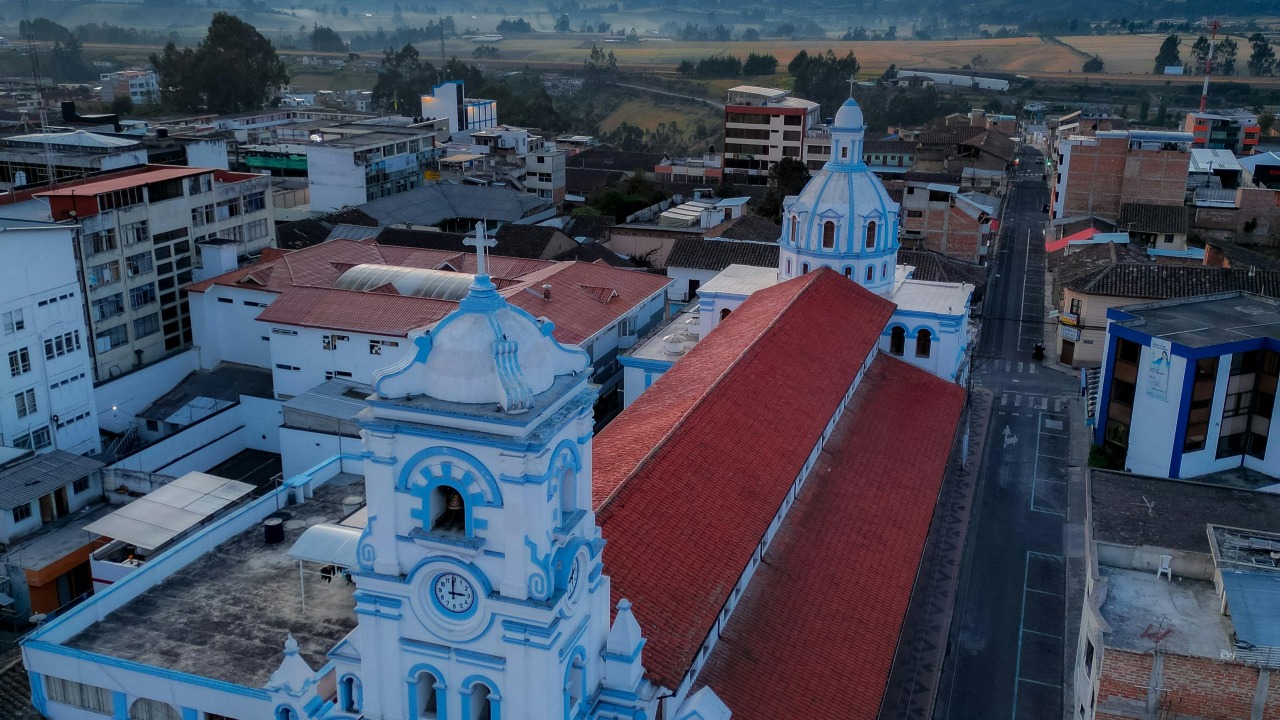
Let me be real with you about Cuenca. This city sits high in the mountains. It's 8,300 feet up. That's almost two miles above sea level. The weather feels like spring all year long. Not too hot. Not too cold. Many Americans move here to retire. Why? The doctors are good. The hospitals are modern. And your money goes much further than back home. But here's what most websites won't tell you: the sidewalks are a mess. I mean cracked. Uneven. Full of holes. There are steps in the middle of the sidewalk with no warning. Tree roots push up through the concrete. Dogs wander around. People sell things and block your path. If you use a cane or walker, this matters. If you have trouble with balance, this matters. You need to know this before you book your trip. The good news? Taxis cost $2-5 and are everywhere. You don't have to walk if you don't want to. The city has good things too. Churches. Museums. Parks by the river. Cafes where you can sit and rest. A new tram that's easy to get on and off. Three private hospitals with doctors who speak English. And here's something nice: people here respect older adults. They call seniors "abuelitos" with kindness. Store workers slow down for you. Neighbors check on you. That feels different from the U.S. The math works. The medical care works. The culture works. The sidewalks? You'll need a plan.

Budget-Friendly for Fixed-Income Travelers Extended Stay Medical Tourism Destination South America Strong Expat Infrastructure
Solo Safety Rating
Value Rating
Kim's Insider Tips The sidewalks aren't getting fixed anytime soon. Don't fight it. Work around it. Get a taxi driver's number from your hotel. Or download a taxi app before you land. Budget $10-15 a day for rides. Think of it as your transportation cost, not a luxury. That's still less than one Uber ride in most U.S. cities. For medical care: Hospital Universitario del Río is the one expats trust most. Many doctors trained in the U.S. or Europe. If you have health issues, contact them BEFORE your trip. Set up appointments early. Ask for English-speaking doctors in your area of need. About the altitude: Give your body time. Plan to do very little for your first 2-3 days. Drink water. No alcohol at first. Watch for headaches, dizziness, or feeling very tired. This isn't being dramatic. It's being smart about a body that's done 60+ years of hard work.
Medical Infrastructure Rating

Filters

Tags