Budget-Friendly, Especially for Fixed-Income Travelers Y
Your Social Security, pension, or savings stretch significantly further here.
Meals, transport, lodging, and entertainment cost a fraction of U.S. prices — without sacrificing comfort or quality.
This is where your dollar works harder so life feels easier
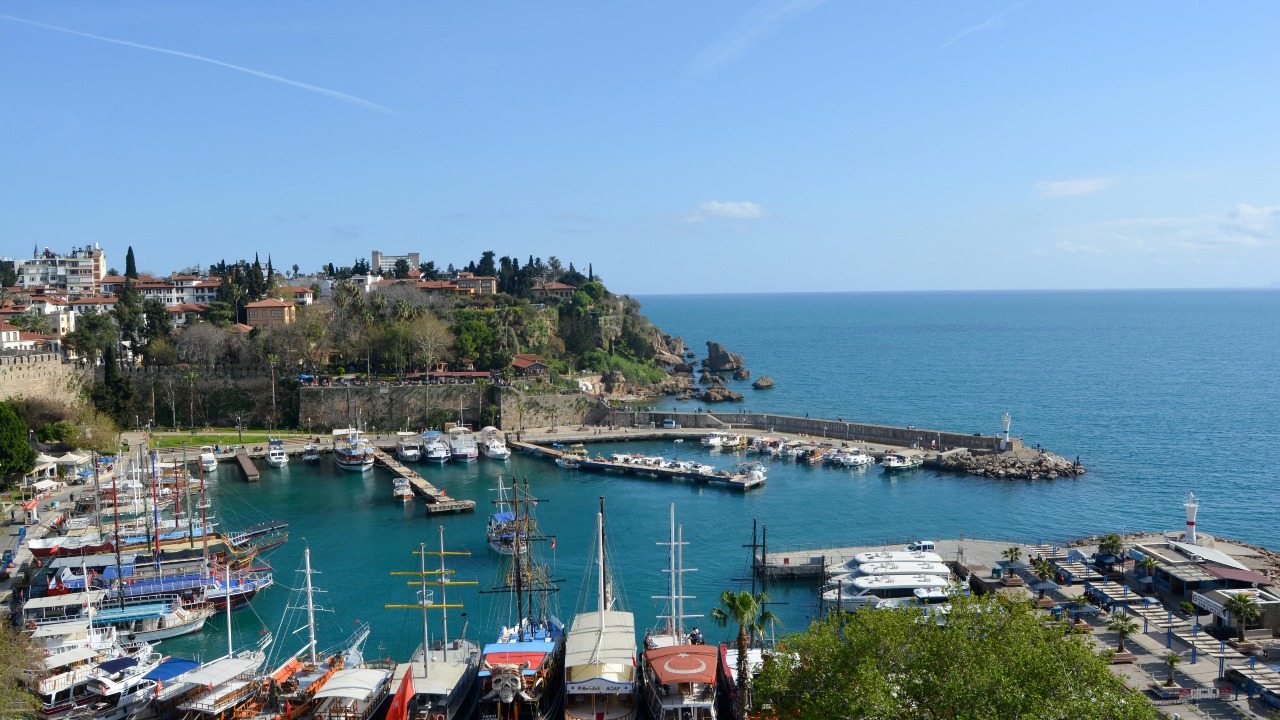
Penang is a Malaysian island that's working hard to be friendly for older travelers. You get amazing food, beautiful old buildings, beaches, and people who treat you with respect. The government is fixing sidewalks and adding elevators to make things easier. But here's the truth: it's not perfect yet. Some old streets still have bumpy paths and steps. If you can deal with that, Penang is worth it.
The medical care here is really good. The food is incredible. And you won't spend all your money just existing. Just watch out for scammers who target seniors online.
Asia Pacific
Budget-Friendly for Fixed-Income Travelers
Coastal/Beach Destinations
Medical Tourism Destination
Strong Expat Infrastructure
Solo Safety Rating
Value Rating
Medical Infrastructure Rating
Black Community Resources
Penang is multicultural (Chinese, Malay, Indian populations), but that doesn't mean Black travelers will feel welcomed or represented. There are no Black-focused resources, neighborhoods, or communities. You probably won't face outright hostility, but don't expect to see yourself in ads, media, or local culture. It's more "you can visit without major problems" than "you'll feel at home here."
LGBTQ+ Community Resources
Malaysia has laws against same-sex relationships, and while Penang is more tolerant than other Malaysian cities, that's a low bar. George Town has some discreet LGBTQ-friendly venues and a cosmopolitan vibe, but you need to keep public affection private and stay cautious. There's no pride parade. You can exist here, but you can't be fully open. If you need a truly LGBTQ-friendly destination, look elsewhere.
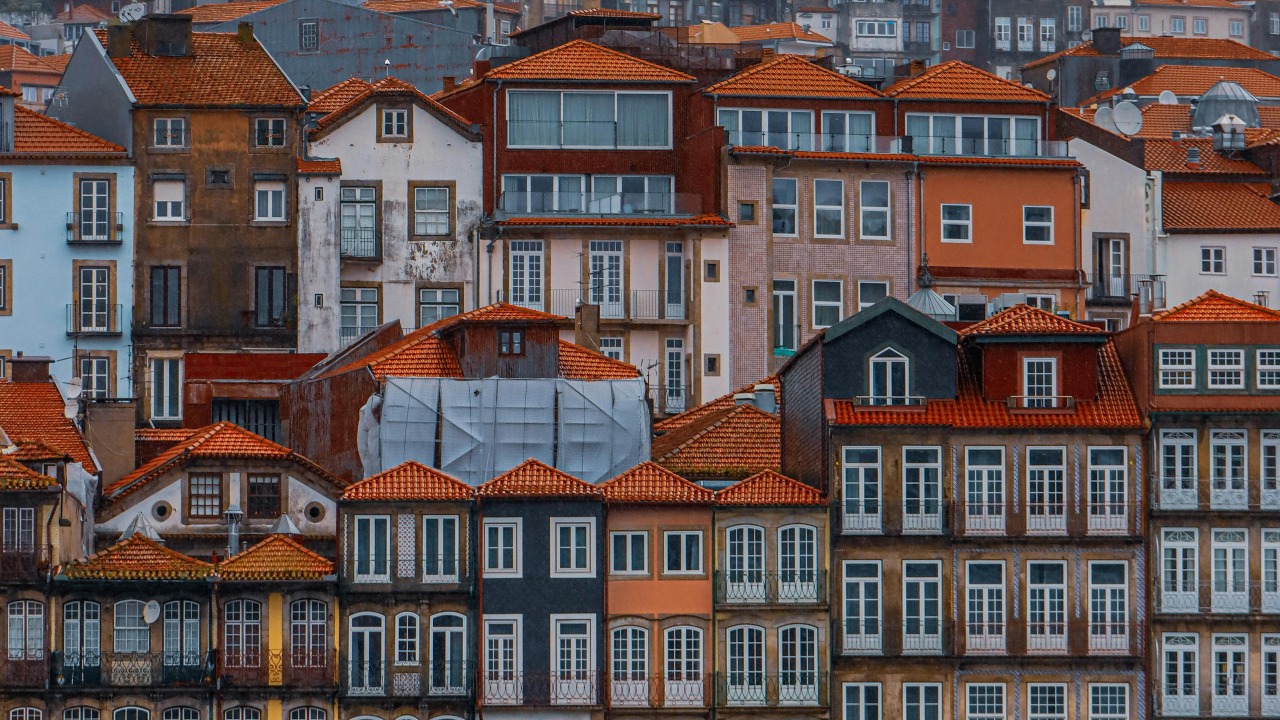
Porto is a beautiful, compact city that works very well for travelers 60+, including many on a fixed income.
You get culture, coastline, and strong overall value — without the congestion or high daily costs of a large capital city.
Yes, the historic center is hilly.
But here’s what most guides don’t tell you: there are flatter, easier areas along the Douro riverfront and near the Atlantic coast that are much gentler on knees and hips. The modern metro, low-floor buses, funiculars, and taxis make it possible to get around without climbing hills all day. Using public transportation strategically helps keep daily costs predictable and manageable.
Porto can work well for seniors and travelers with mild mobility limits who rely on buses, the metro, funiculars, and taxis instead of walking everywhere.
That said, the historic areas do include steep hills, cobblestone streets, and uneven sidewalks. This makes Porto more challenging for wheelchair users or anyone who struggles with slopes. Careful route planning and accessible transportation are important to avoid the toughest terrain.
Portugal consistently ranks as one of the world’s safer countries, and Porto shares that reputation. Violent crime is rare. As in any popular tourist city, you’ll want to watch for pickpockets in crowded areas.
Healthcare is strong, with hospitals that have English-speaking staff. The pace of life is slower, and there is a visible respect for older adults. Compared with Lisbon, daily costs and dining are typically 20–30% lower, which matters for retirees and others living on a fixed income.
Porto is generally welcoming to Black travelers. Violent crime against tourists is low. At the same time, systemic racism and racial profiling do affect Black residents at the structural level. For community connection, travelers often look to Casa Odara, African-heritage tours, and groups like Black in Portugal. For larger celebrations of Black culture, some plan trips around Afro Nation festival dates in the Algarve.
For many travelers 60+, Porto hits a true sweet spot.
It’s the right size.
You get ocean air, wine-country day trips, reliable public transit, and a culture that feels warm, grounded, and age-friendly — without the price pressure of bigger European capitals.
Black Friendly
Budget-Friendly for Fixed-Income Travelers
Europe
LGBTQ+-Friendly
Solo Safety Rating
Value Rating
Kim's Insider Tips
Before heading down to the busy riverfront, stop at Jardins do Palácio de Cristal. It’s a peaceful garden with shaded paths, benches, and wide views of the Douro River. You’ll even see peacocks walking around. Many visitors miss it, but it’s one of the best places to sit, rest, and enjoy the view at a slower pace.
Crowded tourist areas have seen more pickpocketing, especially during busy times. Keep bags zipped and worn in front of you. Don’t leave phones on café tables. Be extra alert in Ribeira, near Jardim do Morro, and on busy shopping streets at night.
One tip locals often share: walk one or two blocks away from the main riverfront or old town streets. You’ll usually find quieter cafés, more local restaurants, and better prices — perfect for a long, comfortable coffee break between sightseeing.
Medical Infrastructure Rating
Black Community Resources
Black travelers in Porto
Portugal markets itself as welcoming to Black travelers. Porto has sizable Afro-Portuguese, Brazilian, Cape Verdean, and Angolan communities. Many Black visitors report feeling generally safe in daily life.
But here's the full picture: UN and Council of Europe reports show systemic racism and racial profiling exist. Experiences can vary by skin tone, language accent, and neighborhood.
Everyday experience & safety
Porto has visible African and Afro-Brazilian communities. You'll see them especially in working-class areas. Immigrant-run shops, hair salons, and cafés are around.
Many Black Americans choose Portugal to escape more overt racism at home. They still encounter some bias here, though.
For most Black tourists, street harassment isn't common. Institutional issues (like policing and housing) affect residents more than short-term visitors.
Black-focused spaces & resources in/near Porto
Casa Odara (Porto) – Cultural center in downtown Porto (founded 2023). It focuses on immigrants, Black collectives, LGBTQIA+ communities, and other marginalized groups. They host exhibitions, performances, and events. It's a safe, welcoming space. https://casaodara.pt
African Heritage & Colonial Roots Tour (Porto) – Walking tour that traces African heritage and colonial history in Porto. It ends at the African Arte shop. This connects you to local Afro-diasporic networks. Good resource if you're curious about history and community.
National/online networks – Groups like "Black in Portugal" (centered in Lisbon but active nationwide) organize events. They share safety information and support anti-racism campaigns. Many Black expats connect through Facebook groups for Portugal expats and Black travelers. They host meetups in different cities.
Porto doesn't have a recognized "Black neighborhood" like some cities do. Afro-descendant communities are spread through various residential areas and suburbs.
Festivals & Black culture events
Afro Nation Portugal – One of the world's biggest festivals for Afrobeats, Amapiano, dancehall, and Black diaspora music. Fans come from 160+ countries.
Location: Praia da Rocha, Portimão (Algarve) – about 5–6 hours by train/bus from Porto
2025 dates: July 9–11, with headliners like Mary J. Blige, Burna Boy, Davido, and Tems
Many Black visitors pair a cultural stay in Porto or Lisbon with Afro Nation in the Algarve. It's a key "Black pride" event in Portugal's travel calendar.
Smaller Afro-diasporic parties and DJ nights in Porto are usually one-off club events. They're advertised on Instagram and TikTok—not formal annual parades.
LGBTQ+-FRIENDLY
LGBTQ+ Community Resources
Portugal has strong legal protections for LGBTQ+ people. Same-sex marriage has been legal since 2010. Porto reflects this progressive stance. The atmosphere is welcoming. But the scene is smaller and more quiet than Lisbon's. LGBTQ+ nightlife district Porto doesn't have one defined "gay neighborhood" like Lisbon's Príncipe Real. But most LGBTQ+ venues are clustered together. You'll find them around: Jardim da Cordoaria The São Bento train station area Streets near Avenida dos Aliados The Bolhão neighborhood (also has queer-inclusive spots). Porto Pride parade** Porto Pride started in 2006. It's now one of Portugal's most important pride events. Over 7,000 people participate in recent years. The event has two main parts run by different groups: **Pride Parade** – Usually held in late June. It starts at 3 PM from Praça da República. The march goes through Santa Catarina and Avenida dos Aliados. It ends at Jardim da Cordoaria. **Porto Pride Fest** – Held separately in mid-September. You get concerts, drag shows, DJs, and international performers. It happens at Parque da Pasteleira over three days. Exact 2026 dates aren't confirmed yet. If you want to attend, check closer to summer. **LGBTQ+ community resources** **Centro GIS** – This is Porto's LGBT community center. It's named for Gisberta Salce Júnior, a transgender woman murdered in Porto in 2006. They offer support and information services. * Address: Edifício da Antiga Câmara Municipal, Rua de Brito Capelo 223, loja 40, Matosinhos * Phone: +351 966 090 117 (24 hours) * Hours: Monday–Friday, 9 AM–6 PM **ILGA Portugal** – This is Portugal's oldest LGBTI rights organization. Founded in 1995. They provide legal support, mental health services, and school programs. Headquarters are in Lisbon but they help people nationwide. * Phone: +351 969 367 005 or +351 218 873 918 * Linha LGBT helpline: Friday–Saturday, 8 PM–11 PM **OPUS Diversidades** – This NGO offers psychological, social, and legal support to the LGBTIQ+ community. * Phone: +351 924 467 485 **For LGBTQ+ seniors visiting Porto:** The city is safe and accepting. The queer scene is compact but active. Community resources are accessible. Annual pride celebrations mix political activism with festive celebration. Porto Pride parade Porto Pride started in 2006. It's now one of Portugal's most important pride events. Over 7,000 people participate in recent years. The event has two main parts run by different groups: Pride Parade – Usually held in late June. It starts at 3 PM from Praça da República. The march goes through Santa Catarina and Avenida dos Aliados. It ends at Jardim da Cordoaria. Porto Pride Fest – Held separately in mid-September. You get concerts, drag shows, DJs, and international performers. It happens at Parque da Pasteleira over three days. Exact 2026 dates aren't confirmed yet. If you want to attend, check closer to summer. LGBTQ+ community resources Centro GIS – This is Porto's LGBT community center. It's named for Gisberta Salce Júnior, a transgender woman murdered in Porto in 2006. They offer support and information services. https://centrogis.pt ILGA Portugal – This is Portugal's oldest LGBTI rights organization. Founded in 1995. They provide legal support, mental health services, and school programs. Headquarters are in Lisbon but they help people nationwide. https://ilga-portugal.pt OPUS Diversidades – This NGO offers psychological, social, and legal support to the LGBTIQ+ community. https://opusdiversidades.pt For LGBTQ+ seniors visiting Porto: The city is safe and accepting. The queer scene is compact but active. Community resources are accessible. Annual pride celebrations mix political activism with festive celebration.
Let me be clear with you.
Medellín is not the dangerous place you may remember from old news stories.
Today, it’s one of the most comfortable cities in Latin America. That’s why so many retirees end up here.
The weather stays in the low 70s all year.
No hot summers.
No cold winters.
Just easy, comfortable days.
Getting around is simple. The metro is clean and reliable. The cable cars let you see the whole valley while you sit and ride — no climbing steep hills.
What I like most is how close everything is.
Groceries.
Pharmacies.
Parks.
Great coffee.
You’re usually just a short taxi or metro ride away, not stuck in long drives.
Healthcare here is very good. Hospitals are modern and well-run. Many doctors speak English and trained in the U.S. or Europe. And the cost is much lower than in the States.
If you're Black, here's something you won't hear about most destinations: Medellín actually feels comfortable. Black travelers consistently say skin color matters less here than back home. There's a visible Afro-Colombian community, Black-owned businesses like Sweet Georgia Cafe in Laureles, and annual celebrations like the Black Joy Parade. You won't be stared at like a spectacle. You'll just be another person enjoying the city.
You still need common sense. Sidewalks can be uneven. Traffic moves fast. And like any big city, it’s smart to stay aware, especially at night.
But day to day?
Medellín is calm, livable, and surprisingly easy.
Black Friendly
Budget-Friendly for Fixed-Income Travelers
Extended Stay
Medical Tourism Destination
South America
Solo Safety Rating
Value Rating
Kim's Insider Tips
Learn “No Dar Papaya” — and live it
In Colombia, people say “No dar papaya.”
It means don’t make it easy for someone to take advantage of you.
Here’s what that looks like in real life:
Keep your phone put away.
Don’t walk with it in your hand.
Only take photos in safe places.
Some thieves use motorbikes to grab phones fast.
Walk facing traffic.
This helps you see what’s coming and keeps bags from being grabbed from behind.
Drink the tap water.
The water in Medellín is clean and safe.
It tastes good and meets high safety standards.
You don’t need bottled water here.
Use the Metro.
It’s clean, calm, and easy to use.
Young people often give seats to older adults.
Most places you want to see are near Metro or cable car stops.
Eat the “Menu del Día.”
From noon to about 3 p.m., many restaurants serve a full lunch for a low price.
You usually get soup, a main dish, and a drink.
This is how locals eat — good food, fair price.
Skip Escobar tours.
Many locals don’t like them.
That time caused real pain for the city.
If you’re curious, learn the history quietly on your own.
People here are friendly.
Smiles and small talk are normal.
It’s okay to enjoy that warmth.
Just don’t go home with someone you just met.
Medellín is welcoming.
Just stay smart, calm, and low-key — and you’ll do just fine.
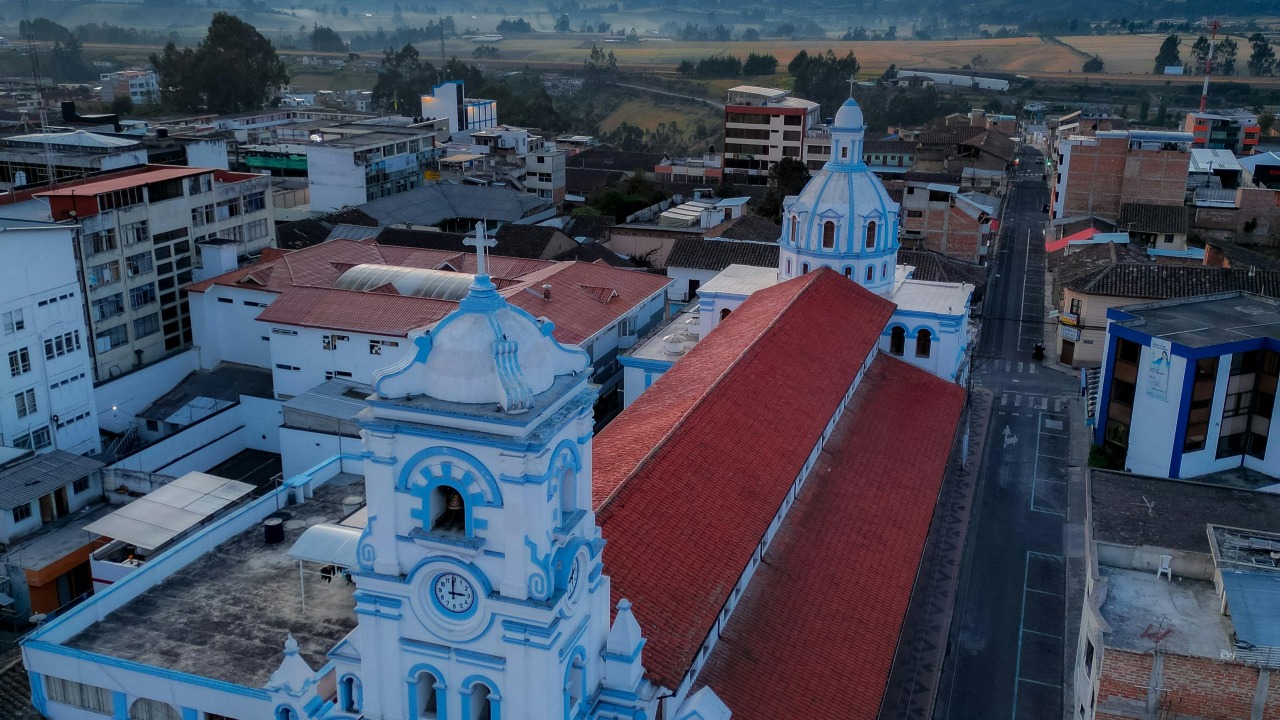
Let me be real with you about Cuenca.
This city sits high in the mountains. It's 8,300 feet up. That's almost two miles above sea level. The weather feels like spring all year long. Not too hot. Not too cold.
Many Americans move here to retire. Why? The doctors are good. The hospitals are modern. And your money goes much further than back home.
But here's what most websites won't tell you: the sidewalks are a mess.
I mean cracked. Uneven. Full of holes. There are steps in the middle of the sidewalk with no warning. Tree roots push up through the concrete. Dogs wander around. People sell things and block your path.
If you use a cane or walker, this matters. If you have trouble with balance, this matters. You need to know this before you book your trip.
The good news? Taxis cost $2-5 and are everywhere. You don't have to walk if you don't want to.
The city has good things too. Churches. Museums. Parks by the river. Cafes where you can sit and rest. A new tram that's easy to get on and off. Three private hospitals with doctors who speak English.
And here's something nice: people here respect older adults. They call seniors "abuelitos" with kindness. Store workers slow down for you. Neighbors check on you. That feels different from the U.S.
The math works. The medical care works. The culture works. The sidewalks? You'll need a plan.
Budget-Friendly for Fixed-Income Travelers
Extended Stay
Medical Tourism Destination
South America
Strong Expat Infrastructure
Solo Safety Rating
Value Rating
Kim's Insider Tips
The sidewalks aren't getting fixed anytime soon. Don't fight it. Work around it.
Get a taxi driver's number from your hotel. Or download a taxi app before you land. Budget $10-15 a day for rides. Think of it as your transportation cost, not a luxury. That's still less than one Uber ride in most U.S. cities.
For medical care: Hospital Universitario del Río is the one expats trust most. Many doctors trained in the U.S. or Europe. If you have health issues, contact them BEFORE your trip. Set up appointments early. Ask for English-speaking doctors in your area of need.
About the altitude: Give your body time. Plan to do very little for your first 2-3 days. Drink water. No alcohol at first. Watch for headaches, dizziness, or feeling very tired. This isn't being dramatic. It's being smart about a body that's done 60+ years of hard work.
 Malaysia has laws against same-sex relationships, and while Penang is more tolerant than other Malaysian cities, that's a low bar. George Town has some discreet LGBTQ-friendly venues and a cosmopolitan vibe, but you need to keep public affection private and stay cautious. There's no pride parade. You can exist here, but you can't be fully open. If you need a truly LGBTQ-friendly destination, look elsewhere.