Discover Senior-Friendly Travel Destinations | Accessibility Ratings

Explore verified senior-friendly travel destinations that are age-aware and accessibility-focused, designed to help travelers feel safe, supported, and respected. Because accessibility, safety, and dignity matter.

One of the most accessible African safari for seniors—direct flights from NYC, excellent infrastructure, world-class lodges, and spectacular Big Five viewing without the complexity of East Africa.

Accessibility + Mobility-Friendly Accessible Destinations Adventure Africa Safaris
Value Rating
Kim's Insider Tips Major rest camps have basic medical facilities; private lodges have emergency protocols. Nearest comprehensive hospitals are in Nelspruit/Mbombela (1-2 hours from most camps). Medical evacuations available but remote location requires planning. Ask for specific unit numbers—Skukuza's bungalow 131 is documented as fully roll-in accessible. Fly into Skukuza or Hoedspruit instead of doing the long Johannesburg road trip. Be upfront about manual vs power chair, transfer ability, and bathroom needs so they assign the right vehicle and room. Epic Enabled and Wheel the World have already audited the accessibility—let them handle the logistics if you don't want to verify every doorway measurement yourself.
Medical Infrastructure Rating
Black Community Resources South Africa has a complex racial history, but post-apartheid tourism infrastructure is generally welcoming. Johannesburg and Pretoria have established Black expat communities. Staff at SANParks camps and private lodges reflect South Africa's diversity. Consider connecting with South African tourism groups that focus on Black travel experiences for additional community insights.
LGBTQ+-FRIENDLY LGBTQ+-FRIENDLY

LGBTQ+ Community Resources LGBTQ+ Community Resources South Africa has the most progressive LGBTQ+ legal protections on the African continent, including marriage equality. Major cities (Johannesburg, Cape Town) have visible LGBTQ+ communities. Safari lodges and tour operators are professionally inclusive. Rural areas may be more conservative in social attitudes, but tourist-facing businesses maintain welcoming standards.

Physical Demand Rating 1 - Minimal (sitting, watching, no physical effort)
Journey Complexity Rating 1 - Very Easy (domestic, same day arrival, direct flights)
Best Season to Visit May-September (dry winter season—animals concentrate around water sources, vegetation is thinner for easier viewing, cooler temperatures, lower malaria risk)
Typical Duration 3-7 days (3-4 days minimum to experience different camps and wildlife areas; 5-7 days ideal for relaxed pace with rest built in)
Accessibility Accessibility # Kruger National Park: Your Wheelchair-Accessible African Safari Is Real Listen—if you've been told you can't safari in a wheelchair, whoever said that hasn't been to Kruger. South Africa didn't just add a ramp and call it accessible. They built the infrastructure from the ground up. You can absolutely do this. ## What an Accessible Kruger Safari Actually Looks Like Real talk: most game viewing happens from vehicles on paved or well-maintained roads. No bumpy bush tracks required. Specialist safari trucks have hydraulic lifts—you roll on in your own chair, they secure it with tie-downs, and you're watching elephants and lions without transferring out of your wheels. The focus is vehicle-based wildlife viewing plus accessible rest camps with paved pathways. Not walking safaris. Not someone carrying you. Actual infrastructure designed for wheelchairs. ## SANParks Rest Camps: Accessible Accommodations That Work South African National Parks publishes a list of adapted units in their major rest camps. Here's what you need to know: **Skukuza** (the largest camp) and **Satara** (legendary for big cat sightings) both have wheelchair-accessible safari bungalows with smooth paths throughout camp. **Lower Sabie** has the most accessible units overall, plus unisex wheelchair-accessible bathrooms in the camping area. Standard setup: brick-paved roads around camp, step-free or ramped entrances, roll-in showers with grab rails, accessible picnic areas. Some camps have specific units travelers swear by—like Skukuza's bungalow 131 for full roll-in access. **Other accessible options:** Letaba and several bushveld camps also have adapted units with the same features. ## Tour Operators Who Actually Understand Accessibility If you want someone else to handle the logistics: **Epic Enabled** runs multi-day Kruger safaris using wheelchair-adapted trucks with lifts. You stay in your own chair during game drives and can move around the vehicle for better views. They work with both manual and power chair users, book accessible accommodation, and build rest time into the itinerary. **Wheel the World** offers Kruger-focused group trips where accessibility is audited end-to-end—they handle equipment assistance, transfers, and room selection. This is your route if you don't want to self-manage every bathroom measurement and doorway width. ## Private Lodges Built Around Accessibility In Greater Kruger (the private reserves sharing unfenced borders with the national park), two lodges made accessibility their foundation: **Ximuwu Lodge** in Klaserie Private Nature Reserve: level pathways everywhere, step-free common areas, fully accessible rooms and bathrooms, pool lift, adapted game viewers, accessible transfer from Hoedspruit Airport. Accessibility is their entire business model. **Sabi Sabi Bush Lodge**: travelers report near-complete accessibility, a solid boarding platform for safari vehicles, harnesses for upper-body support. Smaller, more luxurious, highly supported experience right on the Kruger ecosystem. ## What to Share When You're Planning Be specific about your needs: manual or power chair? Can you transfer? What are your bathroom requirements? How's your endurance? Share this information with operators and lodges before you book so they can assign the right vehicle and room. Look for properties that explicitly mention roll-in showers, grab rails, and paved paths. Ask for specific unit numbers when possible—other wheelchair users have documented which bungalows actually deliver. Consider flying into Skukuza or Hoedspruit and arranging accessible transfers instead of doing a long road journey from Johannesburg. ## The Bottom Line Kruger isn't "accessible for a safari." Kruger is genuinely accessible, full stop. Between SANParks infrastructure, specialist operators, and dedicated lodges, you can watch the Big Five without anyone improvising your accommodations or acting like they're doing you a favor. Your African safari isn't a compromise. It's the real thing—lions, elephants, leopards, and all—exactly as it should be. And you deserve every minute of it.

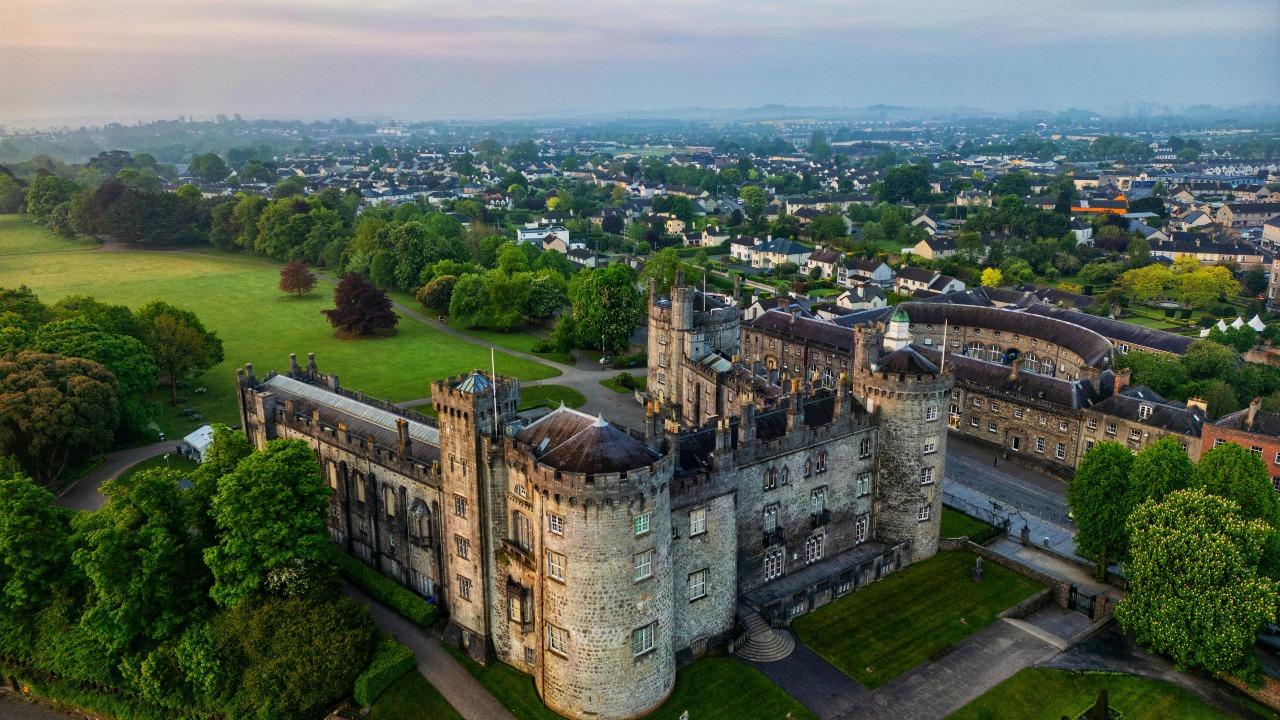
Kilkenny is one of the best cities in Ireland for senior travelers. It's not just marketing—the World Health Organization officially named it Age Friendly. Ireland leads the world in making cities work for older people, and Kilkenny shows exactly how it's done. What Makes Kilkenny Special Kilkenny was Ireland's first city to get Age Friendly status from the World Health Organization. The county has a group of older people who help make decisions about local policies. That means the city is built around what seniors actually need, not what someone guessed they might want. The old part of town is small and easy to walk. Most shops, cafés, and places to see sit along a mostly flat stretch called the "Medieval Mile." It runs between Kilkenny Castle and St Canice's Cathedral. If you walk slowly or use a cane, walker, or wheelchair, this setup works perfectly. Kilkenny Castle: Your Home Base Kilkenny Castle is a must-see. The castle has 52 acres of parkland and gardens that are mostly flat. You'll find good paths, plenty of benches, and even an accessible playground. The castle itself has wheelchair access and accessible bathrooms. You can spend a whole afternoon here without wearing yourself out. The Whole County Gets It Right Even the small towns nearby understand what seniors need. Thomastown (also in County Kilkenny) fixed their sidewalks, added better lighting, put in more seating, and built age-friendly bus shelters. This shows you what to expect across the whole region—not just in the main city. Ireland Does This Better Than Most Places Other Irish spots like Dublin, Killarney, Adare, and Kenmare also work well for older travelers who want accessible, low-stress trips. Ireland's network of Age Friendly Towns is used as an example around the world for how to make communities work for older residents and visitors. When you travel to Ireland, you're going to a country that actually thinks about what you need.

Accessible Destinations Aging-Friendly Activities Cultural Experiences Europe Medical Facilities
Solo Safety Rating
Value Rating
Kim's Insider Tips Base yourself within a 5–10 minute walk of Kilkenny Castle so you can treat that flat castle park as your daily "backyard" for gentle strolls, people-watching, and easy picnic breaks between activities. Pair a short, guided Medieval Mile walking tour (to minimize navigation stress) with a relaxed afternoon in the castle gardens or along the River Nore. Plan at least one slow day with just coffee-hopping and park time. You're not here to check boxes—you're here to breathe.
Medical Infrastructure Rating
Black Community Resources Ireland's smaller cities have limited but growing Black communities. Kilkenny is known more for its welcoming small-town atmosphere than for large Black cultural spaces, so expect friendliness but relatively low visible diversity compared to Dublin. For deeper Black cultural connection, pair Kilkenny with time in Dublin, where you'll find more diverse neighborhoods, events, and community-based groups.
LGBTQ+-FRIENDLY LGBTQ+-FRIENDLY
LGBTQ+ Community Resources LGBTQ+ Community Resources Ireland has strong national LGBTQ+ protections, marriage equality, and visible Pride events. Small cities like Kilkenny generally reflect this accepting climate even if the local scene is low-key. If you're seeking vibrant queer nightlife or community events, combine Kilkenny with Dublin, Cork, or Galway, and use Kilkenny as your calm, comfortable base with low overt hostility.

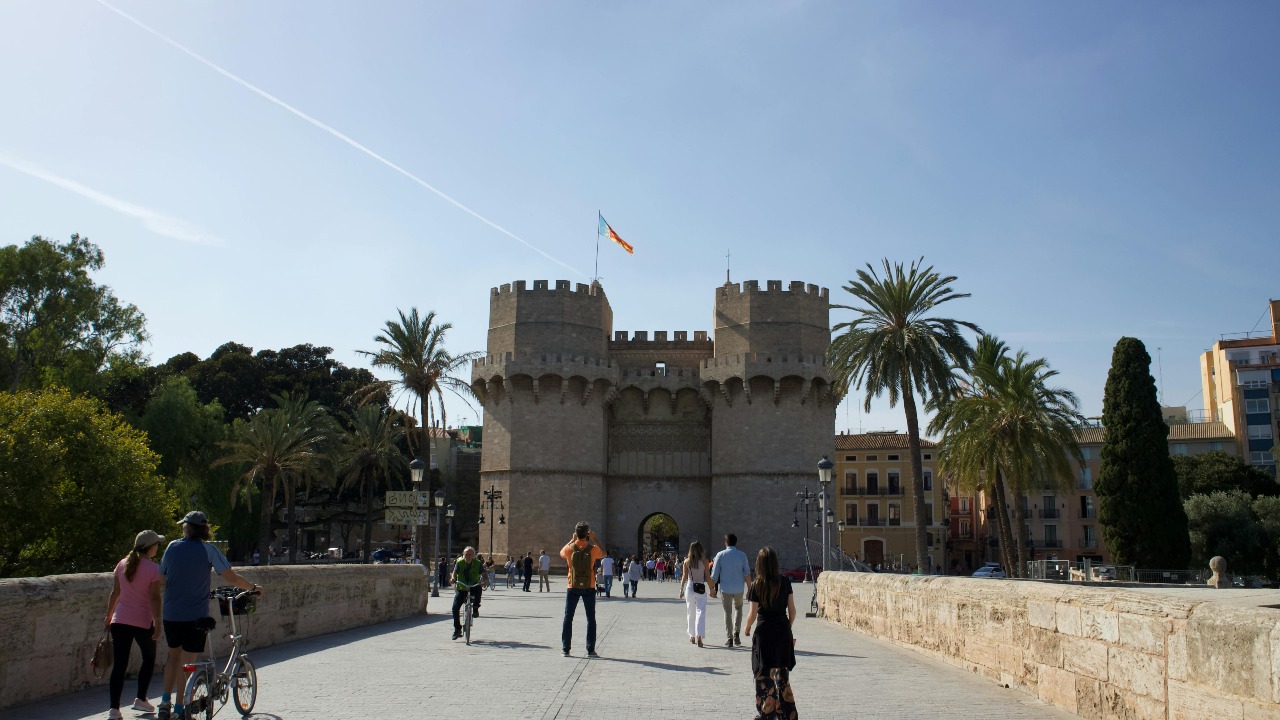
Valencia is a Mediterranean city that actually works for seniors - flat streets, solid healthcare, and way calmer than Barcelona. You get a beautiful old town, a massive park, and beach access without needing to rent a car or have crazy stamina. The catch: it's still Europe, so you've got old-building quirks - random steps into building lobbies, some cobblestone streets, and summers that get HOT. If you use a wheelchair or have serious mobility limits, you need to pick your hotel carefully and plan to use public transit a lot. But if you're a reasonably mobile 60+ traveler who likes to walk, sit in plazas, and hop on a bus or tram when you're tired, Valencia is a sweet spot of comfort, culture, and affordable prices. Valencia's big win for seniors is that the city is mostly flat. Seniors say the sidewalks work fine for walkers as long as you stop often for coffee breaks or to rest. City buses are 100% accessible with platforms that level with the curb. The metro system is newer and listed as one of Spain's cities where accessibility is "guaranteed" - they even publish a list of which stations are accessible. Turia Gardens (that old riverbed park) gives you long, mostly flat paths with tons of benches and shade trees - perfect for easy daily walks. The pain points? Old building entrances with steps and bumpy paving on historic streets. These can be tough if you're in a wheelchair.

Solo Safety Rating
Value Rating
Kim's Insider Tips Here are the insider tips locals and smart visitors say you absolutely can't miss in Valencia - all doable for seniors: Albufera lagoon at sunset (boat + paella) – Just a short ride from the city. Locals swear that a traditional boat ride through the rice paddies at sunset with a local guide is one of the most memorable Valencia experiences. Most people pair it with paella in a village like El Palmar. This is THE move. Cabecera Park & quieter green spaces – Everyone knows Turia Gardens, but Cabecera Park and the University of Valencia Botanical Garden are where locals actually go for shaded walks and picnics without the tourist crowds. Way more chill. Ruzafa & local markets (Mercado de Ruzafa, Rojas Clemente) – Ruzafa's neighborhood market is a local favorite for fresh produce and real atmosphere. Rojas Clemente market gives you everyday Valencia vibes - less touristy than Central Market but still central with plenty of benches to rest. El Carmen street art and backstreets – Multiple "hidden gem" guides say wandering El Carmen's backstreets and murals is a must. Best with a local guide or small tour that mixes street art, neighborhood history, and café stops so you can sit down and rest. Café Sant Jaume / Café de las Horas for "Agua de Valencia" – Locals point to these as THE spots to try Valencia's signature cocktail in a beautiful old-world setting. Perfect for an early evening sit-down experience, not a nightlife marathon. San Nicolás church ("Sistine Chapel of Valencia") – Everyone calls this a "hidden gem" even though it's pretty well-known now. The ceiling frescoes are stunning, visits are short, you can sit, and it's totally senior-friendly. Bonus insider tip: Skip one more museum and book an Albufera sunset boat ride with paella. Hit one neighborhood market (Ruzafa or Rojas Clemente). Take one slow wander through El Carmen's backstreets and street art with a stop for café and Agua de Valencia. That's how you do Valencia like a local.
Medical Infrastructure Rating
Black Community Resources Valencia doesn't have one specific "Black neighborhood," but as a port city it has visible African and Afro-diaspora communities, especially in the more diverse central and outer neighborhoods. Black travelers usually say Spain is more curious than hostile, and Valencia is calmer and less intense than Madrid or Barcelona when it comes to microaggressions. But let's be real - you should still expect occasional stares or questions about where you're from. For actual Black-centered spaces, you're not going to find a formal community center. Instead, look for diaspora cultural events, African churches, and student or expat groups. Your best bet is to search local Facebook groups or Meetup before you arrive so you can connect with people once you get there.
LGBTQ+-FRIENDLY LGBTQ+-FRIENDLY
LGBTQ+ Community Resources LGBTQ+ Community Resources Spain is one of the most LGBTQ-friendly countries in the world - both legally and culturally - and Valencia is right on brand. You'll find Pride events and a visible queer nightlife scene, especially around the historic center and Ruzafa neighborhood. There are LGBTQ-friendly bars, mixed venues, and queer community groups all over. Pride (Orgull València) usually happens in summer with a big march and over a week of events, though the exact dates change every year. For seniors, here's the move: stay central in Old Town or the Ruzafa area so you can get to events and bars with a short tram ride or cheap taxi instead of walking forever late at night.

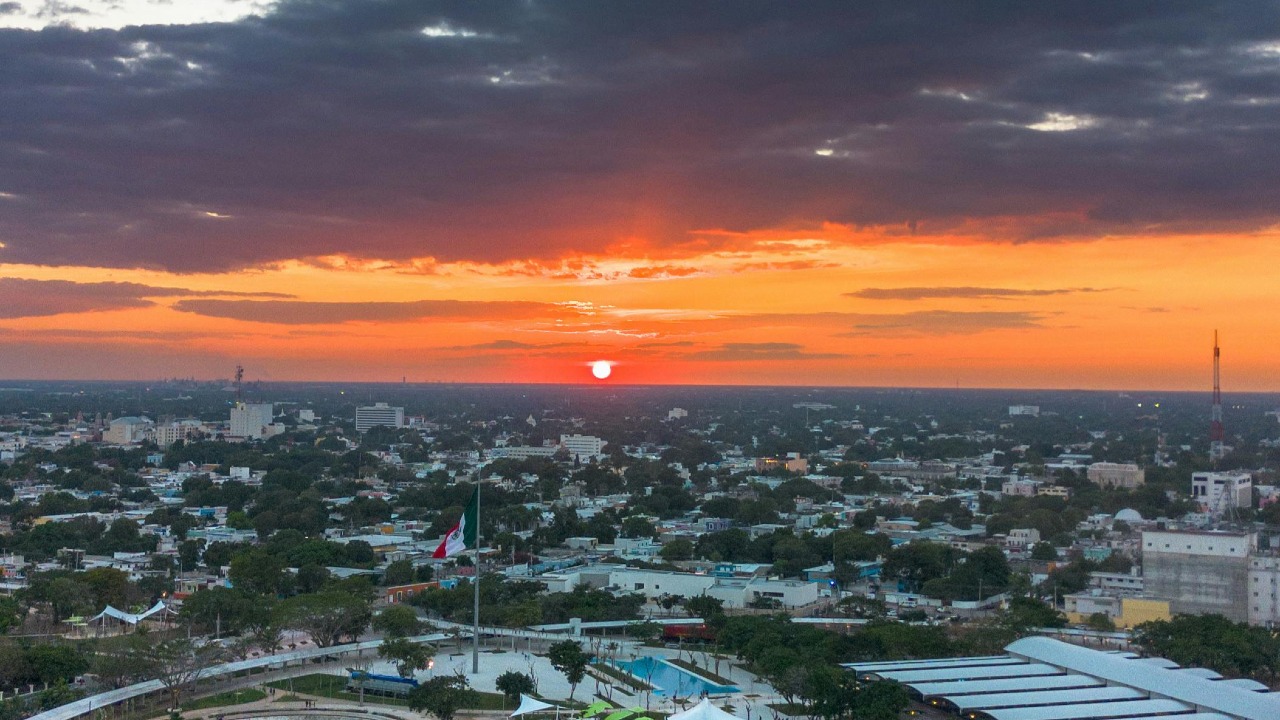
Mérida, Mexico is one of the best cities in Latin America for older travelers. It's super safe, has great doctors, and the old part of town is small enough to explore without rushing. The city feels like stepping back in time - beautiful colorful buildings, town squares, and cute cafes - but you don't need a long flight to get there. Lots of Americans and Canadians retire here because it's stable and has that Old World charm. Now, let's be real: the sidewalks can be a mess, it gets HOT, and the buses aren't great if you need help getting around. The main plaza area is pretty flat and you can get around if you're careful. Some tour companies work specifically with seniors and people who use wheelchairs. But here's the hard truth: most sidewalks in Mérida are narrow, broken, or just missing. Curbs are high, and only newer buses have ramps. Most older folks use taxis or Uber instead of trying to walk everywhere. But here's the good news - you can book guided tours, Uber and taxis are cheap, and the blocks around Plaza Grande are flat and easy to walk. Just plan your day around the noon heat and pick your hotel carefully.

Cultural Experiences Mexico & Caribbean Solo Friendly Strong Expat Infrastructure
Solo Safety Rating
Value Rating
Kim's Insider Tips I need to search for information about local favorites and must-see experiences in Mérida that both locals and tourists love.Here are the don't-miss aspects of Mérida that locals love and tourists need to experience, written in your voice at a 5th grade reading level: ## Don't Miss These Local Favorites **Sunday Traditions - The whole city celebrates** Every Sunday morning, Mérida turns into one giant party. The main street (Paseo de Montejo) closes to cars from 8am to 12:30pm for "La Biciruta" - a weekly bike ride where families, kids, seniors, and tourists bike, walk, or skate through the city together. You can rent bikes for cheap or use the free city bikes. Then from 9am to 7pm, "Mérida en Domingo" takes over with food stalls, artisan markets, live music, and dancing at Plaza Grande and up Calle 60. This is Mérida at its happiest - locals love this tradition and you'll see the real heart of the city. **Thursday Nights at Santa Lucía Park - Pure magic** Every Thursday at 9pm, Parque Santa Lucía hosts the "Serenata Yucateca" - a free outdoor concert with traditional music, dancers in gorgeous costumes, poetry, and storytelling about Yucatán history. This has been happening since 1965 and it's where many people (including expats) fall in love with Mérida. Get there early to grab one of the iconic giant "you and me" chairs (perfect for photos) or make a reservation at one of the restaurants around the square. Locals pack this place every Thursday - it's THAT good. **Traditional Cantinas with Free Food** Here's a secret: in traditional Mérida cantinas, when you order a beer, you get FREE plates of food called "botanas" - usually 4-5 dishes per beer! You'll get refried beans with chips, empanadas, mini burgers, ceviche, and more. Each cantina has its own specialties, live bands play loud music, and the vibe is pure fun. Local favorites include Dzalbay Cantina, La Negrita, El Cardenal, and Eladio's (which allows kids). These places close early - around 8pm - so go before dinner. **Lucas de Gálvez Market - Real local life** Forget tourist markets. Lucas de Gálvez is where LOCALS shop for food and daily life. It's busy, alive, and authentic - fresh fruit juice stands, taco stalls, produce vendors yelling out their deals. Try foods you've never seen before, taste local specialties, soak in the energy. This isn't where you buy souvenirs - this is where you see how Mérida really lives. It can feel a bit chaotic compared to the pretty plazas, but that's exactly why locals love it. **Yucatecan Food You Can't Get Anywhere Else** Mérida has its own regional cuisine that's totally different from other Mexican food. You HAVE to try: - **Cochinita pibil** - slow-roasted pork marinated in achiote and orange juice, wrapped in banana leaves - **Panuchos** - two fried tortillas with black beans between them, topped with chicken, pickled onion, and avocado (locals say this is the best food in Mexico) - **Marquesitas** - crispy rolled crepes filled with cheese and your choice of toppings, sold from street carts everywhere Locals swear by spots like Cafeteria Impala (been there since 1958) and the Sunday market food stalls. **Free Cultural Events Every Single Night** Mérida offers free entertainment every night of the week: - **Monday 9pm**: Vaquería dance at Plaza Grande - traditional folkloric dancing in stunning costumes - **Tuesday 8:30pm**: Big band music at Parque Santiago - **Wednesday 8pm**: Video mapping at Casa Montejo - historical storytelling through lights - **Thursday 9pm**: Serenata at Santa Lucía (mentioned above) - **Friday 9pm**: "Sacred Stones" - the Cathedral lights up with colorful video mapping - **Saturday 8pm**: Noche Mexicana at Paseo de Montejo - traditional music and dance performances Locals plan their week around these events. They're all FREE. **The "Kissing Chairs" or "Confidante Chairs"** All over Mérida's parks you'll see these giant white double chairs shaped so two people sit facing each other. The story goes that young couples in love weren't allowed to sit close on benches, but these chairs let them look at each other and sneak kisses without actually touching. Whether you're with a partner, friend, or traveling solo, sit in one - it's a Mérida tradition. The best ones are at Santa Lucía Park. **Early Morning Walk on Paseo de Montejo** Wake up early and walk down Paseo de Montejo before it gets hot. This wide, tree-lined boulevard (modeled after Paris's Champs-Élysées) is lined with incredible mansions from Mérida's wealthy past. The sidewalks here are actually WIDE and shaded - rare in Mérida - making it perfect for a morning stroll. Stop at Cafeteria Impala at the end for breakfast and people-watching. Locals do this walk, especially after the Sunday bike ride. **Hidden Art Galleries in Colonial Houses** Mérida has an amazing art scene, but you have to look for it - galleries are tucked behind unmarked doors in colonial houses. Check out Nahualli Casa de los Artistas (run by a family of artists), Caracol Púrpura (hidden courtyard with cafe), and SOHO Galleries. These aren't flashy storefronts - you wander through beautiful old homes filled with contemporary art. It's a treasure hunt locals love. **Day Trip to Yellow Izamal** Just an hour away is Izamal, one of Mexico's "Pueblos Mágicos" (magical towns). The ENTIRE city is painted bright yellow - streets, buildings, everything. You can climb the Kinich Kakmó pyramid for views, ride in horse-drawn carriages where the horses wear ladies' hats (seriously), and eat traditional food at old haciendas. Locals go here for weekend getaways. It's like stepping into a golden dream. These traditions and spots are what make Mérida special to the people who live there. Join in and you'll feel like a temporary local, not just a tourist passing through.
Medical Infrastructure Rating
Black Community Resources Mérida isn't a majority-Black city, but Black travelers will find the region's Afro-diasporic history interesting. Most heritage tours focus on Indigenous Maya history rather than Black history. That said, Mérida has a strong reputation for being safe and friendly to foreign visitors, including Black seniors. If you want specific Black heritage programming, you'd need to pair Mérida with Afro-Mexican coastal regions in other states. In Mérida itself, the win is safety, low harassment, and deep culture - not dedicated Black community centers.
LGBTQ+-FRIENDLY LGBTQ+-FRIENDLY
LGBTQ+ Community Resources LGBTQ+ Community Resources Mérida is more conservative than Mexico City or Guadalajara, but it's becoming a regional LGBTQ+ destination. There's a company called Merida Gay Tours that does LGBTQ+-friendly walking tours, cantina nights, cenote trips, and multi-day tours. You'll find places like Blue Gay Club and pop-up ballroom events. People in the community say the queer scene is still small but growing. They recommend staying near the northern part of town or along Calle 60 in the center. Join English-speaking Facebook groups like "Expat Gay Men's Forum of Mérida" to connect with other folks.

Barbados gets a lot right for senior travelers. English is the official language, so you won't struggle to communicate in hospitals or navigate services. The culture respects elders—not as a tourism marketing gimmick, but as actual national policy. The west coast has calm Caribbean waters, the island is small and manageable, and it's one of the safer Caribbean destinations. Medical care is solid, with both public and private hospitals that cater to international patients. Here's what they don't advertise: Barbados is expensive. You're looking at $400-450 USD per day for a typical visitor, with hotel rooms averaging $470 per night for two people. Even "budget" days run around $175 USD. The infrastructure is improving for accessibility—some beaches have beach wheelchairs, newer buses are wheelchair-friendly—but step off the resort strip and you'll hit narrow, broken, or missing sidewalks. Most minibuses and ZR vans are still inaccessible. Barbados is working on accessibility but it's inconsistent. Tourist areas on the south and west coasts have some renovated sidewalks, curb ramps, and improved public restrooms. Many older streets still have broken or missing pavements and uneven surfaces. Public transport is mixed. Standard yellow minibuses and ZR vans are hard to use. But some Transport Board buses (including new electric ones) are wheelchair-friendly. Specialist accessible taxis and tours are available. Some beaches have beach wheelchairs. Resorts increasingly offer adapted rooms. Most accessibility requires advance planning and booking. If you can afford it and don't need perfect accessibility everywhere, Barbados delivers comfort, safety, and respect. If you're on a fixed income or use mobility aids extensively, the cost and infrastructure gaps will frustrate you.

Aging-Friendly Activities Black Friendly Coastal/Beach Destinations Cultural Experiences Medical Tourism Destination
Solo Safety Rating
Value Rating
Kim's Insider Tips Stay on the west coast near Sandy Crest Medical Centre if healthcare access matters. The Platinum Coast has the best combination of calm waters, walkable tourist infrastructure, and immediate access to private medical care. You'll pay more, but you won't waste energy navigating broken sidewalks or arranging transport to appointments.
Medical Infrastructure Rating
Black Community Resources Barbados is a majority-Black nation. African heritage and the legacy of enslavement deeply shape the island's history and culture. Black travelers will see themselves reflected in everyday life and leadership. Heritage experiences in Bridgetown explicitly center Black resistance and resilience. "Unapologetically BLACK!" walking tours explore figures like Rachel Pringle and Samuel Jackman Prescod, and sites tied to revolt, emancipation, and free villages. Broader Black heritage tours visit Newton Burial Ground, Rock Hall (a first free village), and plantation sites linked to the Bussa Rebellion. Seniors have powerful, guided ways to connect with the island's history.
LGBTQ+ Community Resources LGBTQ+ Community Resources Barbados historically had harsh anti-sodomy laws, but things are changing. A local LGBTQ+ rights movement has grown since 2013. Bridgetown hosted its first Pride events in the late 2010s. By 2025, Pride Month is publicly launched with support from the Pan American Health Organization and diplomatic missions. There are community events like Pride Hike and Pride Party Finale. For older LGBTQ+ visitors, this means a cautiously welcoming environment in tourist areas. But conservative attitudes exist outside urban and tourist zones. Use discretion.

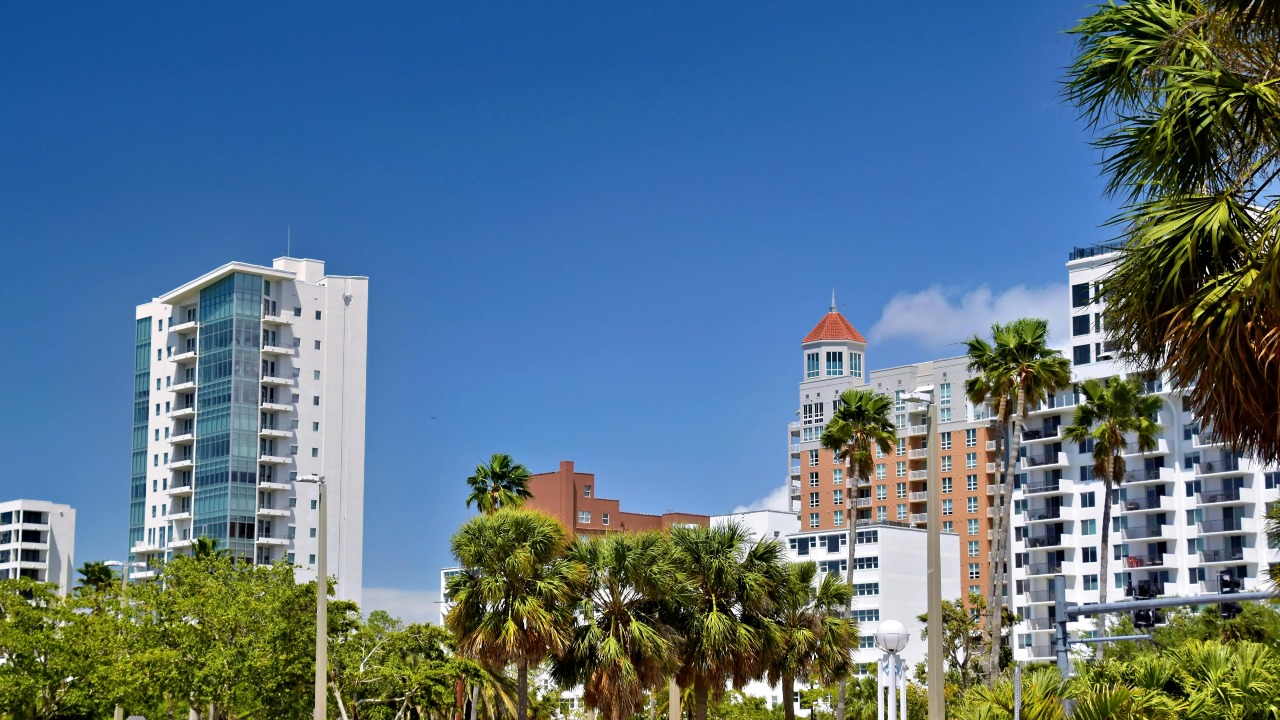
Sarasota is what happens when a city actually commits to being age-friendly instead of just saying it. This was the first WHO/AARP age-friendly community in Florida, and they didn't stop there—they paired age-friendly community, health system, AND public health designations. That's not marketing. That's infrastructure. You get geriatric emergency departments, accessible trolleys, and senior programming that actually exists. The medical care is legitimately some of the best in the country. But here's the catch: Sarasota assumes you're driving. Public transit exists but it's patchy. If you don't have a car, your neighborhood choice matters a lot. And crime is higher than the Florida and U.S. averages in some areas, so you need to be strategic about where you stay. This isn't a walkable European city—it's a car-dependent coastal Florida town that's working hard to add accessibility features to a system built for drivers. In other words, accessibility is strongest in tourist areas, beaches, and downtown. Breeze Transit buses and the free Bay Runner trolley have wheelchair lifts and kneeling capability. Breeze Plus paratransit serves ADA-eligible riders. Sidewalks, curb ramps, and pedestrian signals are prioritized near main corridors, but suburban areas have gaps, wide crossings, and no shade. Public restrooms and benches are common at beaches and parks, less common along main roads. If you tire easily, stay near a trolley route or beach access to reduce walking. If you want excellent healthcare, warm weather, and a slower pace with real senior support, Sarasota delivers. Just plan your transportation and location carefully.

Aging-Friendly Activities Coastal/Beach Destinations Medical Tourism Destination United States
Solo Safety Rating
Value Rating
Kim's Insider Tips Stay near Sarasota Memorial Hospital if healthcare access matters to you. The hospital is genuinely world-class, and being close means you can walk or take a short ride to appointments instead of driving across town. Plus, Southside Village nearby has walkable dining and calmer residential streets.
Medical Infrastructure Rating
Black Community Resources The Sarasota African American Cultural Coalition (SAACC) preserves and celebrates local Black history. They transformed the historic Leonard Reid House—built in an early Black community—into a center for Black arts, culture, and public programs. SAACC hosts exhibits, events, and community gatherings highlighting Black leaders and artists. While Sarasota doesn't have one formal "Black neighborhood" marketed to tourists, these cultural institutions create a welcoming and visible presence for Black visitors. You have a clear cultural touchpoint here.
LGBTQ+-FRIENDLY LGBTQ+-FRIENDLY
LGBTQ+ Community Resources LGBTQ+ Community Resources Sarasota has an active, visible LGBTQ+ community with real organizations and events. Project Pride SRQ runs community events, senior outreach, and Sarasota Pride programming. The Fabulous Arts Foundation operates the Fab LGBTQ+ Center in the Limelight District—an actual physical space for LGBTQIA+ community, art, wellness, and events. They organize Be Fabulous Music & Arts Pride Fest in downtown Sarasota (multi-day Pride celebration in May). You'll find affirming spaces downtown and nearby districts, with resources for youth, seniors, health, and housing. This isn't just tolerance—it's community infrastructure.

Penang is a Malaysian island that's working hard to be friendly for older travelers. You get amazing food, beautiful old buildings, beaches, and people who treat you with respect. The government is fixing sidewalks and adding elevators to make things easier. But here's the truth: it's not perfect yet. Some old streets still have bumpy paths and steps. If you can deal with that, Penang is worth it. The medical care here is really good. The food is incredible. And you won't spend all your money just existing. Just watch out for scammers who target seniors online.

Asia Pacific Budget-Friendly for Fixed-Income Travelers Coastal/Beach Destinations Medical Tourism Destination Strong Expat Infrastructure
Solo Safety Rating
Value Rating
Medical Infrastructure Rating
Black Community Resources Penang is multicultural (Chinese, Malay, Indian populations), but that doesn't mean Black travelers will feel welcomed or represented. There are no Black-focused resources, neighborhoods, or communities. You probably won't face outright hostility, but don't expect to see yourself in ads, media, or local culture. It's more "you can visit without major problems" than "you'll feel at home here."
LGBTQ+ Community Resources LGBTQ+ Community Resources Malaysia has laws against same-sex relationships, and while Penang is more tolerant than other Malaysian cities, that's a low bar. George Town has some discreet LGBTQ-friendly venues and a cosmopolitan vibe, but you need to keep public affection private and stay cautious. There's no pride parade. You can exist here, but you can't be fully open. If you need a truly LGBTQ-friendly destination, look elsewhere.

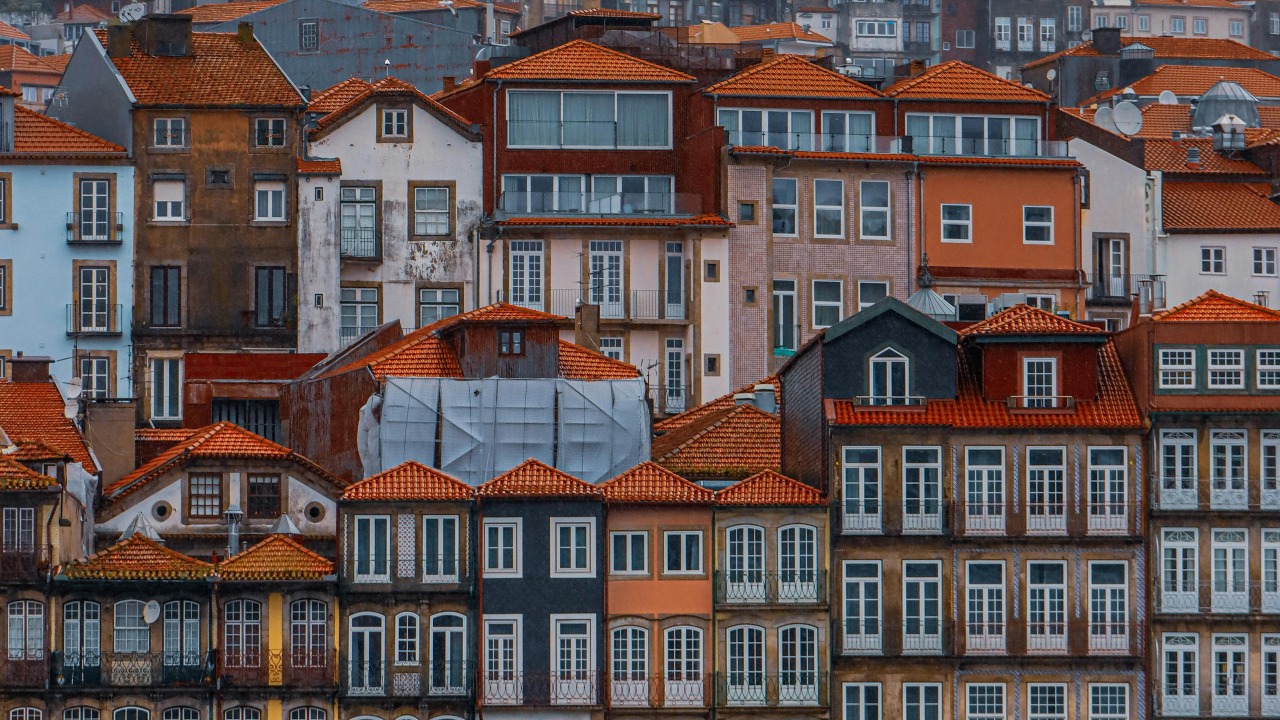
Porto is a beautiful, compact city that works very well for travelers 60+, including many on a fixed income. You get culture, coastline, and strong overall value — without the congestion or high daily costs of a large capital city. Yes, the historic center is hilly. But here’s what most guides don’t tell you: there are flatter, easier areas along the Douro riverfront and near the Atlantic coast that are much gentler on knees and hips. The modern metro, low-floor buses, funiculars, and taxis make it possible to get around without climbing hills all day. Using public transportation strategically helps keep daily costs predictable and manageable. Porto can work well for seniors and travelers with mild mobility limits who rely on buses, the metro, funiculars, and taxis instead of walking everywhere. That said, the historic areas do include steep hills, cobblestone streets, and uneven sidewalks. This makes Porto more challenging for wheelchair users or anyone who struggles with slopes. Careful route planning and accessible transportation are important to avoid the toughest terrain. Portugal consistently ranks as one of the world’s safer countries, and Porto shares that reputation. Violent crime is rare. As in any popular tourist city, you’ll want to watch for pickpockets in crowded areas. Healthcare is strong, with hospitals that have English-speaking staff. The pace of life is slower, and there is a visible respect for older adults. Compared with Lisbon, daily costs and dining are typically 20–30% lower, which matters for retirees and others living on a fixed income. Porto is generally welcoming to Black travelers. Violent crime against tourists is low. At the same time, systemic racism and racial profiling do affect Black residents at the structural level. For community connection, travelers often look to Casa Odara, African-heritage tours, and groups like Black in Portugal. For larger celebrations of Black culture, some plan trips around Afro Nation festival dates in the Algarve. For many travelers 60+, Porto hits a true sweet spot. It’s the right size. You get ocean air, wine-country day trips, reliable public transit, and a culture that feels warm, grounded, and age-friendly — without the price pressure of bigger European capitals.

Black Friendly Budget-Friendly for Fixed-Income Travelers Europe LGBTQ+-Friendly
Solo Safety Rating
Value Rating
Kim's Insider Tips Before heading down to the busy riverfront, stop at Jardins do Palácio de Cristal. It’s a peaceful garden with shaded paths, benches, and wide views of the Douro River. You’ll even see peacocks walking around. Many visitors miss it, but it’s one of the best places to sit, rest, and enjoy the view at a slower pace. Crowded tourist areas have seen more pickpocketing, especially during busy times. Keep bags zipped and worn in front of you. Don’t leave phones on café tables. Be extra alert in Ribeira, near Jardim do Morro, and on busy shopping streets at night. One tip locals often share: walk one or two blocks away from the main riverfront or old town streets. You’ll usually find quieter cafés, more local restaurants, and better prices — perfect for a long, comfortable coffee break between sightseeing.
Medical Infrastructure Rating
Black Community Resources Black travelers in Porto Portugal markets itself as welcoming to Black travelers. Porto has sizable Afro-Portuguese, Brazilian, Cape Verdean, and Angolan communities. Many Black visitors report feeling generally safe in daily life. But here's the full picture: UN and Council of Europe reports show systemic racism and racial profiling exist. Experiences can vary by skin tone, language accent, and neighborhood. Everyday experience & safety Porto has visible African and Afro-Brazilian communities. You'll see them especially in working-class areas. Immigrant-run shops, hair salons, and cafés are around. Many Black Americans choose Portugal to escape more overt racism at home. They still encounter some bias here, though. For most Black tourists, street harassment isn't common. Institutional issues (like policing and housing) affect residents more than short-term visitors. Black-focused spaces & resources in/near Porto Casa Odara (Porto) – Cultural center in downtown Porto (founded 2023). It focuses on immigrants, Black collectives, LGBTQIA+ communities, and other marginalized groups. They host exhibitions, performances, and events. It's a safe, welcoming space. https://casaodara.pt African Heritage & Colonial Roots Tour (Porto) – Walking tour that traces African heritage and colonial history in Porto. It ends at the African Arte shop. This connects you to local Afro-diasporic networks. Good resource if you're curious about history and community. National/online networks – Groups like "Black in Portugal" (centered in Lisbon but active nationwide) organize events. They share safety information and support anti-racism campaigns. Many Black expats connect through Facebook groups for Portugal expats and Black travelers. They host meetups in different cities. Porto doesn't have a recognized "Black neighborhood" like some cities do. Afro-descendant communities are spread through various residential areas and suburbs. Festivals & Black culture events Afro Nation Portugal – One of the world's biggest festivals for Afrobeats, Amapiano, dancehall, and Black diaspora music. Fans come from 160+ countries. Location: Praia da Rocha, Portimão (Algarve) – about 5–6 hours by train/bus from Porto 2025 dates: July 9–11, with headliners like Mary J. Blige, Burna Boy, Davido, and Tems Many Black visitors pair a cultural stay in Porto or Lisbon with Afro Nation in the Algarve. It's a key "Black pride" event in Portugal's travel calendar. Smaller Afro-diasporic parties and DJ nights in Porto are usually one-off club events. They're advertised on Instagram and TikTok—not formal annual parades.
LGBTQ+-FRIENDLY LGBTQ+-FRIENDLY
LGBTQ+ Community Resources LGBTQ+ Community Resources Portugal has strong legal protections for LGBTQ+ people. Same-sex marriage has been legal since 2010. Porto reflects this progressive stance. The atmosphere is welcoming. But the scene is smaller and more quiet than Lisbon's. LGBTQ+ nightlife district Porto doesn't have one defined "gay neighborhood" like Lisbon's Príncipe Real. But most LGBTQ+ venues are clustered together. You'll find them around: Jardim da Cordoaria The São Bento train station area Streets near Avenida dos Aliados The Bolhão neighborhood (also has queer-inclusive spots). Porto Pride parade** Porto Pride started in 2006. It's now one of Portugal's most important pride events. Over 7,000 people participate in recent years. The event has two main parts run by different groups: **Pride Parade** – Usually held in late June. It starts at 3 PM from Praça da República. The march goes through Santa Catarina and Avenida dos Aliados. It ends at Jardim da Cordoaria. **Porto Pride Fest** – Held separately in mid-September. You get concerts, drag shows, DJs, and international performers. It happens at Parque da Pasteleira over three days. Exact 2026 dates aren't confirmed yet. If you want to attend, check closer to summer. **LGBTQ+ community resources** **Centro GIS** – This is Porto's LGBT community center. It's named for Gisberta Salce Júnior, a transgender woman murdered in Porto in 2006. They offer support and information services. * Address: Edifício da Antiga Câmara Municipal, Rua de Brito Capelo 223, loja 40, Matosinhos * Phone: +351 966 090 117 (24 hours) * Hours: Monday–Friday, 9 AM–6 PM **ILGA Portugal** – This is Portugal's oldest LGBTI rights organization. Founded in 1995. They provide legal support, mental health services, and school programs. Headquarters are in Lisbon but they help people nationwide. * Phone: +351 969 367 005 or +351 218 873 918 * Linha LGBT helpline: Friday–Saturday, 8 PM–11 PM **OPUS Diversidades** – This NGO offers psychological, social, and legal support to the LGBTIQ+ community. * Phone: +351 924 467 485 **For LGBTQ+ seniors visiting Porto:** The city is safe and accepting. The queer scene is compact but active. Community resources are accessible. Annual pride celebrations mix political activism with festive celebration. Porto Pride parade Porto Pride started in 2006. It's now one of Portugal's most important pride events. Over 7,000 people participate in recent years. The event has two main parts run by different groups: Pride Parade – Usually held in late June. It starts at 3 PM from Praça da República. The march goes through Santa Catarina and Avenida dos Aliados. It ends at Jardim da Cordoaria. Porto Pride Fest – Held separately in mid-September. You get concerts, drag shows, DJs, and international performers. It happens at Parque da Pasteleira over three days. Exact 2026 dates aren't confirmed yet. If you want to attend, check closer to summer. LGBTQ+ community resources Centro GIS – This is Porto's LGBT community center. It's named for Gisberta Salce Júnior, a transgender woman murdered in Porto in 2006. They offer support and information services. https://centrogis.pt ILGA Portugal – This is Portugal's oldest LGBTI rights organization. Founded in 1995. They provide legal support, mental health services, and school programs. Headquarters are in Lisbon but they help people nationwide. https://ilga-portugal.pt OPUS Diversidades – This NGO offers psychological, social, and legal support to the LGBTIQ+ community. https://opusdiversidades.pt For LGBTQ+ seniors visiting Porto: The city is safe and accepting. The queer scene is compact but active. Community resources are accessible. Annual pride celebrations mix political activism with festive celebration.

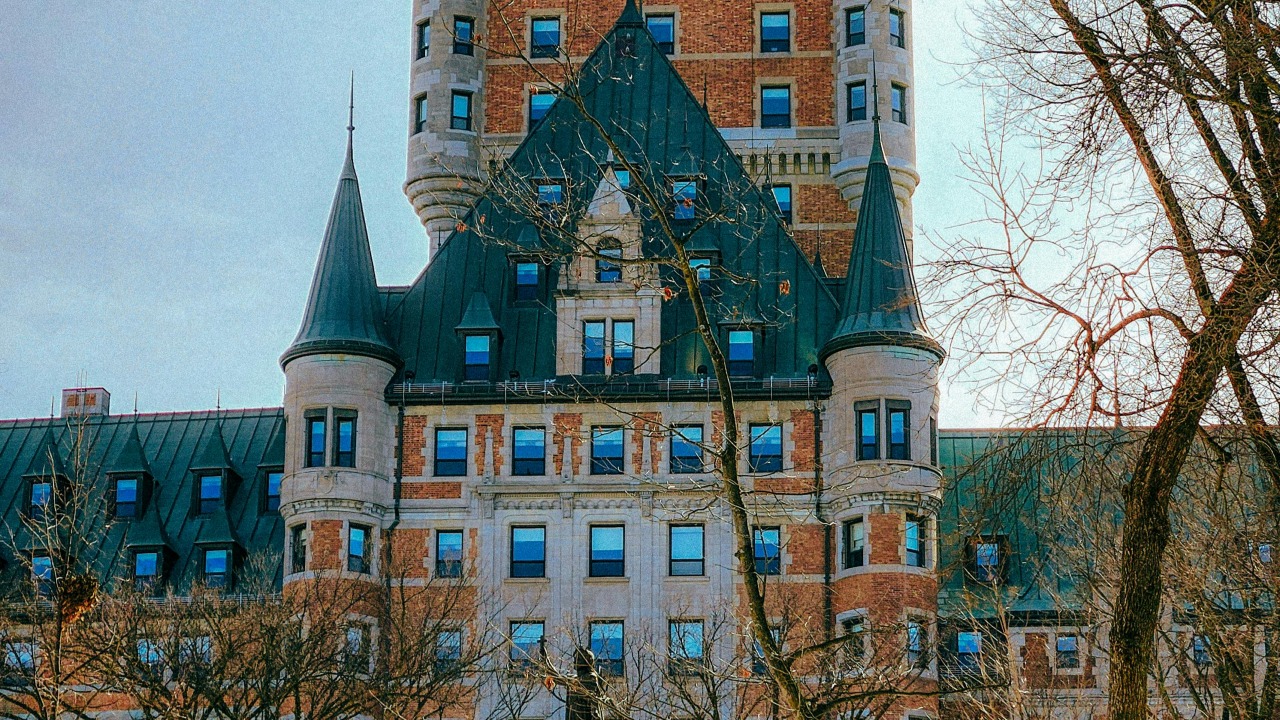
Quebec City works well for active seniors who want European vibes without crossing an ocean—walkable historic core, low crime, solid public services. But here's the reality: French dominates, winters are brutal and slippery, and the whole damn city is built on a cliff. Upper Town sits high, Lower Town hugs the water, and you're dealing with steep streets, staircases, and one creaky funicular between them. Great if you're fit and steady on your feet. Not great if knees, balance, or stairs are problems. Getting around (accessibility reality check) Sidewalks and terrain: Central areas have decent sidewalks when dry, but winter means ice on slopes—real fall risk. Research shows older adults need maintained crossings, benches, and safe pathways to keep walking. Quebec's been upgrading tactile paving and accessible entries at major sites like Plains of Abraham, which helps. That cliff situation: The Upper/Lower Town split isn't decoration—it's a legitimate mobility barrier. If you can't do stairs or steep inclines, you'll be taxi-dependent or stuck in whichever section you pick. The funicular exists but it's one small solution to a big geographic problem. Transit: Buses have wheelchair-accessible vehicles, but coverage varies by route. For real mobility limitations, plan on taxis or paratransit door-to-door. Don't count on public transit solving the hill problem. If you have mobility issues: Stay near what matters most. Want the walled city? Book Upper Town. Want the waterfront? Lower Town. Minimize hill-climbing by choosing strategically. In winter, get traction cleats for your shoes and bail to a taxi on icy days—no heroics. Safety (what actually matters) Canada doesn't issue danger warnings for Quebec City. Standard tourist stuff applies: pickpockets in crowded spots, occasional taxi overcharging, usual digital scams (fake booking sites, ATM skimmers, phishing Wi-Fi). Real risks for seniors: Winter falls on icy slopes and stairs—this is the actual danger, not crime Travel scams hitting everyone including older adults: AI-generated fake bookings, bogus government calls, card skimming. Not a dangerous city. Just don't underestimate winter physics.

Cultural Experiences
Solo Safety Rating
Value Rating
Kim's Insider Tips Stay Upper Town and use the funicular or taxis to avoid the brutal staircases, especially in winter. Don't try to be a hero on icy cobblestones—one fall can end your trip. My friend is obsessed with Quebec City specifically because it delivers authentic European atmosphere without the transatlantic flight—17th and 18th century stone buildings, narrow cobblestone streets, the fortified walls around Old Quebec (only walled city north of Mexico), and that distinct French colonial architecture you won't find anywhere else in North America. The Château Frontenac hotel dominates the skyline and is worth seeing even if you don't stay there—it's the most photographed hotel in the world for a reason. For museums, the Musée de la Civilisation gives you Quebec and Indigenous history without being stuffy, and it's accessible. The Citadelle (star-shaped fortress still used by the military) offers guided tours and incredible views if you can handle the walk. Restaurant-wise: seek out traditional Québécois food at places like Aux Anciens Canadiens (tourtière, pea soup, sugar pie in a 1675 building) or Le Chic Shack for elevated poutine that won't wreck your stomach. The Sunday brunch scene along Grande Allée is strong. Winter carnival (February) is magical if you can handle the cold—ice sculptures, night parades, outdoor activities. But seriously, those European vibes are real: café culture, French bakeries on every corner, that old-world density and human scale that American cities don't have. It genuinely feels like stepping into France without the jet lag.
Medical Infrastructure Rating
Black Community Resources Afro-diaspora presence shows up at cultural festivals and university settings; most Black community infrastructure sits in Montreal, Quebec City pulls from those networks for events—no dedicated Black district here.
LGBTQ+-FRIENDLY LGBTQ+-FRIENDLY
LGBTQ+ Community Resources LGBTQ+ Community Resources Modest LGBTQ+ presence with Pride and local groups; most specialized services, senior-LGBTQ programs, and major festivals are in Montreal—friendly climate here but limited infrastructure.

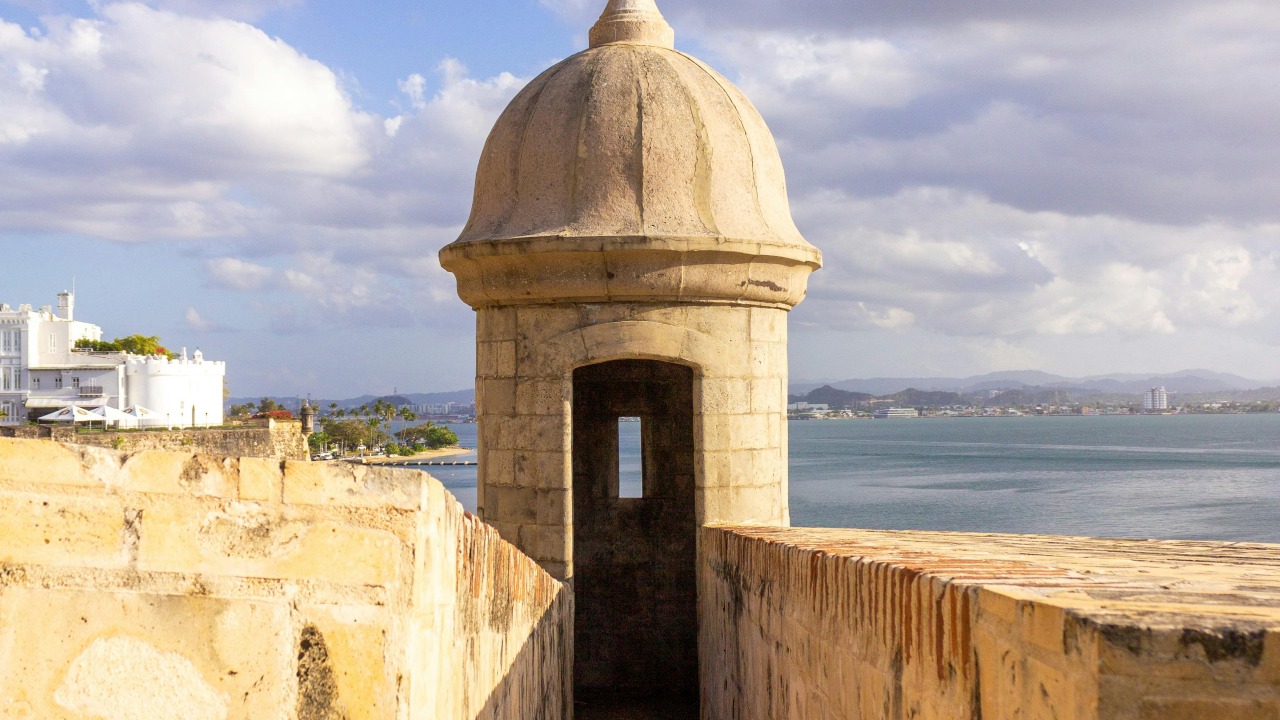
San Juan rocks if you want familiar U.S. systems, English-speaking hospitals, and walkable beachfront neighborhoods—but if you use a walker or wheelchair, those pretty cobblestones and crumbling sidewalks will make you want to scream or throw rocks. Pick your neighborhood carefully. San Juan gives you compact tourist zones where hotels, pharmacies, and restaurants cluster together—Old San Juan, Condado, Miramar, Isla Verde. You won't need a car if you stay in the right spot. As a U.S. territory, you get U.S. medical standards, U.S. dollars, and English widely spoken in tourism and healthcare. That's a huge stress reducer for older Americans. Daily costs run lower than big mainland cities, but beachfront neighborhoods and imported goods will hit your wallet. If you're on a fixed income, pay attention to where you're staying and what you're buying. Getting around The Tren Urbano (metro) runs 10.7 miles and connects with buses and the Cataño ferry. It's been offering free rides while they update ticketing. Sounds great, except: Stations aren't always near hotels Buses are inconsistent for accessibility and schedules You'll probably end up using taxis, Uber, or hotel shuttles like everyone else Wheelchair-accessible taxis exist but arrange them through your hotel in advance—don't assume you'll find one on the street. If you need elevators: Modern hotels and malls in Condado, Miramar, and Isla Verde are built to U.S. standards. Skip the charming walk-ups in Old San Juan.

Black Friendly Coastal/Beach Destinations Cultural Experiences International City LGBTQ+-Friendly
Solo Safety Rating
Value Rating
Kim's Insider Tips San Juan runs on U.S. dollars, so for Americans, there’s no need to mess with currency exchange. ATMs are easy to find, but stick to ones inside banks or hotels—way less chance of your card getting skimmed. When it comes to rental cars, the scams are real. Book only with the big names at the airport—think Avis, Enterprise, Hertz, or Charlie’s. Those off-airport “discount” spots like Dollar, Sixt, Thrifty, Budget, Routes, or Priceless? Steer clear. Snap photos of the car from every angle before you drive off, and bring your insurance declaration page just in case. Honestly, if you can, skip the rental altogether and just use Uber around San Juan. It’s easier. Parking in Old San Juan? Don’t even bother with street parking. Even if you find a legal spot, you’re asking for tickets, hassles, or worse—gas siphoning happens. Use a garage and pay the fee. It’s worth it. If you want real local food that won’t break the bank, you’ve got options. Café Manolin does classic Puerto Rican dishes—try the mofongo. Café el Punto offers great food and killer mojitos for a good price. Head to the fondas along Avenida Ponce de León in Santurce for cheap counter service. El Jibarito is the go-to in Old San Juan for Puerto Rican food, but expect a crowd; waits can hit an hour, and they don’t take reservations. Need coffee? Café Nineteen on C. Loíza is a tiny walk-up, but their coffee is perfect. Vegetarian? That’s not easy here, but Café Berlin near Plaza Colon has solid options, including vegan mofongo. About those bio bay tours—they look amazing on Instagram, but real life is more subtle. You’ll see sparkles in the water, not glowing neon. For the best experience, pick a night with no moon. Traffic here gets brutal, especially during rush hour—it’s right up there with LA or DC. Don’t trust Google Maps’ street names; follow the route, not the names, since the signs don’t always match. People drive aggressively—think more like Latin America than the mainland U.S. A heads-up: San Juan is a city, not a laid-back beach town. It’s the third largest city in the Caribbean. Expect traffic, noise, and plenty of hustle. If you’re looking for island vibes, plan to explore beyond the city. Dress smart: don’t walk around town in a swimsuit. Cover up, especially if you’re visiting a church. The Catholic faith means a lot here—respect goes a long way. You’ll hear tiny coquí frogs singing at night. Locals love them, so never complain or joke about quieting them down. Tipping runs just like the mainland—15-20% at restaurants, $10-15 for tour guides. Bring plenty of singles and small bills for tips and street vendors. Want to explore? Check out puertoricodaytrips.com for free self-guided walking tours of Old San Juan. La Factoría isn’t just a bar—it’s one of the world’s best. It gets crowded, but it’s absolutely worth a visit. Tap water’s safe, so fill your bottle and skip the bottled stuff. If you’re coming during hurricane season (June through November), keep an eye on the weather. Heavy rain can mean flooding and power outages, and you don’t want to be caught off guard. Last thing: get small bills before you arrive—$1s, $5s, and $10s come in handy for tips and buying from vendors.
Medical Infrastructure Rating
Black Community Resources San Juan has a visibly mixed Afro-LatinX population. Black locals and expats say Puerto Rico is "very accepting of Black people and Black culture"—the population ranges from very light to very dark, and racism is generally less overt than mainland U.S. You'll blend into a racially mixed society. **Where to stay:** Old San Juan, Condado, Ocean Park, Isla Verde—same as other tourists. No single "Black neighborhood," but Afro-Puerto Rican culture is woven throughout. **Safety:** Crime is tied to specific areas, not race. Stay in tourist zones, use normal city precautions. **Key cultural experiences:** **Loíza** (just east of San Juan) - Heart of Afro-Puerto Rican culture. Bomba music, festivals, Piñones beach/food strip. Essential for Black heritage. **Festival Bomba y Plena** - Major Afro-Puerto Rican celebration. June 27, 2026. Music, dance, culture. **Fiestas de la Calle San Sebastián (SanSe)** - January, Old San Juan. Live music, parades, heavily features Afro-Puerto Rican performers. **Afro-Puerto Rican tours** - History, food, dance tours available through Viator and similar platforms. **Community resources:** **Colectivo Ilé** - Anti-racist organization, public workshops on Afro-descendant identity. **Taller Salud** (Loíza) - Grassroots group focused on Black communities, health access, economic development. **Bottom line:** San Juan is genuinely welcoming for Black travelers. You won't face the same racial dynamics as mainland U.S. Strong Afro-Puerto Rican cultural presence. For Black travelers over 60 looking for Caribbean sun without racial stress, San Juan delivers.
LGBTQ+-FRIENDLY LGBTQ+-FRIENDLY
LGBTQ+ Community Resources LGBTQ+ Community Resources # LGBTQ+-friendly rating for San Juan **Overall LGBTQ+ friendliness: 5/5** San Juan is one of the gayest, most welcoming cities in the Caribbean. Visible queer community, same-sex couples holding hands in tourist zones, vibrant nightlife. International LGBTQ travel organizations actively promote it. This isn't "tolerant"—this is genuinely welcoming. **Where LGBTQ+ travelers should stay:** **Condado** - The main gay district. Highest concentration of LGBTQ-friendly hotels, restaurants, beach access. "Gay beach" is here. Best base for first-time queer visitors. Easy Uber to Santurce's bars and clubs. **Santurce** (especially Calle Loíza and La Placita) - Artsy, nightlife-heavy, grittier. This is where the queer bar and club scene lives. More local, less polished than Condado. **Ocean Park** - Relaxed beach vibes between Condado and Isla Verde. Home to Coquí del Mar, a gay clothing-optional guesthouse. **LGBTQ+ resources for seniors:** **Waves Ahead / Los Centros de Todes** - Puerto Rican NGO running LGBTQ+ community centers, specifically focused on mental health and support for LGBTQ adults and older adults. The only direct services provider focused on LGBTQ+ and older adult communities. Free psychosocial services, support groups, community programs. This is a real resource if you need community or mental health support while traveling. **True Self Foundation** (San Juan-based) - Financial assistance, legal support, resources for gender-diverse people. Emphasis on trans, queer, non-binary communities. **Pride:** June every year. Main parade usually third or fourth Sunday of June. Route starts at Parque del Indio in Condado, marches along Ashford Avenue (oceanfront strip), ends at Parque del Tercer Milenio/Escambrón with stage, performances, beachside rally. Pride week includes nightly parties across Condado and Santurce. This is the liveliest queer period of the year. **Recurring events:** Mercado Cuir (LGBTQ outdoor market at El Hangar in Santurce), drag and queer performance nights at venues like Vidy's in Río Piedras. **Bottom line:** San Juan is genuinely safe and welcoming for LGBTQ+ travelers over 60. Strong community infrastructure, visible queer presence, specific resources for older LGBTQ adults. If you're looking for Caribbean sun without worrying about holding your partner's hand or finding community, this is it.

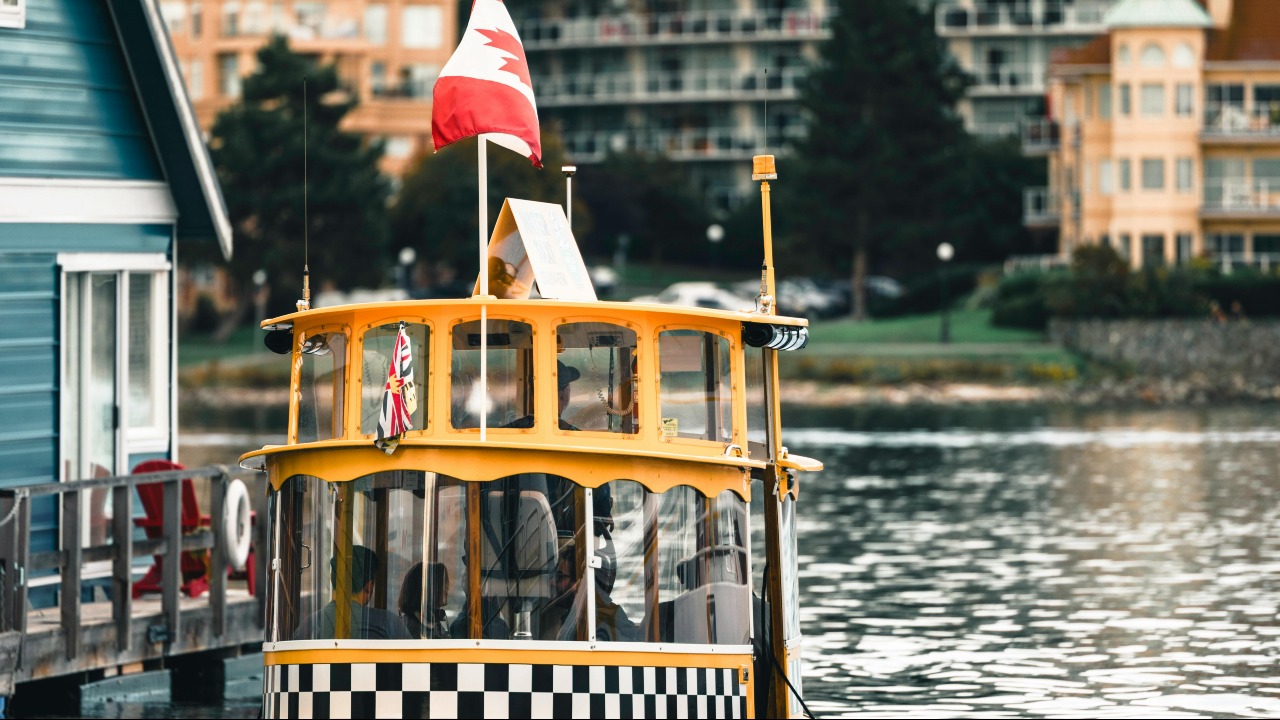
Let's take a look at Victoria. This small capital city on Vancouver Island delivers something rare: genuine civic commitment to making life easier for people over 60. Their Seniors' Action Plan isn't a dusty document nobody reads—it's actually driving real changes. Smoother sidewalks. More benches with armrests. Better curb cuts. Accessible bathrooms downtown. When a city puts resources behind making outdoor spaces work for older adults, you feel it. The Inner Harbour area is flat and compact. You can walk from the Royal BC Museum to Parliament to the harbor shops without tackling hills. The healthcare system is strong—Royal Jubilee Hospital actually designed their Patient Care Centre around seniors' needs. We're talking natural lighting, contrast coloring, handrails everywhere, and rest areas built in. That's not marketing; that's thinking about how our bodies actually move through medical spaces. Now here's what you need to know. Victoria still struggles with visible homelessness and open drug use downtown. The city has the highest crime severity index among BC municipal police jurisdictions, though it dropped 11% recently. You'll want to avoid certain blocks late at night. The rainy season runs October through March. And this is Canada—costs run moderate to high, especially compared to popular retirement destinations in Latin America or Southeast Asia. For seniors who want English-speaking healthcare, walkable streets, and a civic culture that genuinely respects older adults? Victoria delivers.

Aging-Friendly Activities
Solo Safety Rating
Value Rating
Kim's Insider Tips Skip the tourist-trap whale watching tours that leave from the Inner Harbour—they're overpriced and crowded. Instead, take the ferry to Sidney and book with a smaller operator there. Same orcas, half the crowds, better experience. The Butchart Gardens are stunning but exhausting. Go early morning when it opens, do 90 minutes max, then leave before the cruise ship crowds arrive around 11am. There are benches throughout, but pace yourself—it's bigger than it looks. For a meal that isn't overpriced harbor seafood, walk 10 minutes to Chinatown (Canada's oldest) and eat at any of the dim sum spots. Better food, lower prices, actual locals.
Medical Infrastructure Rating
Black Community Resources A 2021 community survey found that 71% of Black, Indigenous, and People of Colour experienced racism in Victoria within the previous five years. The Black community is very small — about 1,100 people — and many Black residents say you’re often the only Black person in the room. The “Black nod” becomes a quiet survival skill. Racism here is most often described as subtle but constant: people clutching purses, crossing the street, offering politeness without ease. As one University of Victoria professor put it, “It’s not inclusion — it’s tolerance.” If you're determined to visit Victoria as a Black senior, time your trip around cultural events. The African Heritage Association of Vancouver Island hosts community gatherings including the SIMBA Sports Activity and Summer BBQ. The Issamba Centre runs AfriCa Fest celebrating African and Afro-descendant cultures. These won't change the daily reality, but they'll connect you to the community that exists here. Also: the Victoria Pioneer Rifle Corps was a Black militia formed in 1859—Black history runs deep on Vancouver Island even if it's largely invisible now. The BC Black History Awareness Society can point you toward historical sites if that resonates with you. There are community resources, including AHAVI, the BC Black History Awareness Society, and the Issamba Centre, along with a Racist Incident Helpline (1-833-457-5463). But for Black seniors seeking visible community and ease of belonging, Victoria is not an easy place to find yourself reflected.
LGBTQ+-FRIENDLY LGBTQ+-FRIENDLY
LGBTQ+ Community Resources LGBTQ+ Community Resources Victoria is generally considered LGBTQ+-friendly, with visible queer life, strong legal protections, and an active — though quieter — Pride scene compared to Vancouver. The city hosts an annual week-long Pride with a parade (early to mid-July), Festival in the Park, and community events that signal broad public support. Victoria openly brands itself as an inclusive city, with specific attention to Transgender, Non-Binary, and Two-Spirit inclusion in public spaces and programs. British Columbia’s human rights laws protect against discrimination based on sexual orientation and gender identity, and the city has taken concrete steps — all-gender washrooms, inclusive signage, staff training — to make that inclusion visible. For travelers and residents alike, the overall feel is calm, affirming, and community-oriented, with accessible resources and social groups for those who want connection without a big-city scene.

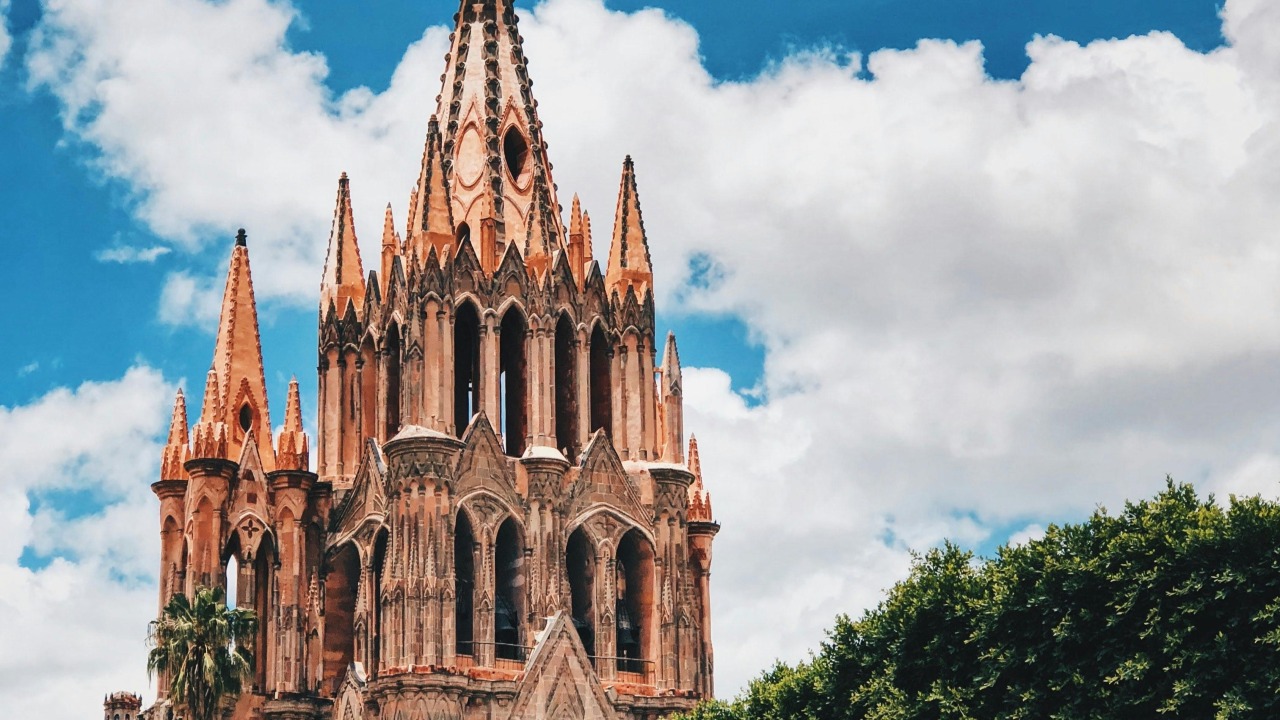
Let take a clear eyed look at San Miguel de Allende. This colonial town is gorgeous. UNESCO said so. The architecture looks like a postcard. Art galleries line the streets. Cafés spill onto plazas. And roughly 10% of the people living here are American or Canadian retirees who made this place home. That expat community is both the gift and the warning. The gift? English-speaking doctors everywhere. Modern private hospitals with real equipment. Shorter wait times. Lower costs than back home. People who will help you find a taxi or offer an arm on a steep street. You will not feel alone here. The warning? Those beautiful cobblestone streets will try to take you down. I'm talking narrow sidewalks. Uneven stones. Steps that appear out of nowhere. Dips where driveways meet the street. Tree roots. No ramps. If you use a cane, walker, or wheelchair—or if your balance isn't what it used to be—this town will test you. Even young travelers in hiking boots complain. There's a real, established Black community here. A private Facebook group with 1,800+ members. Black-owned guesthouses and relocation services. Regular brunches and gatherings. Black expats describe feeling "more human and less categorized" than in the U.S. Not perfect—but better. Here's the other thing the pretty photos don't show: crime is up. San Miguel now ranks among Mexico's 50 most violent areas. Shootings made the news in 2024 and 2025. Most tourists won't see this. You'll probably be fine. But you should know the numbers don't match the postcard. Can seniors visit? Yes. Should you be fit enough to handle hills and cobblestones? Absolutely. Should you combine short walks with taxis and stay aware of your surroundings? That's the move.

Cultural Experiences Extended Stay Medical Tourism Destination Mexico & Caribbean Strong Expat Infrastructure
Solo Safety Rating
Value Rating
Kim's Insider Tips Don't just pack comfortable shoes—pack ankle-supporting shoes. Ballet flats won't cut it. You need real tread and real support. The cobblestones are that uneven. Taxi drivers in San Miguel know the town better than Google Maps. Have your destination written down in Spanish. "El Jardín" is the main plaza. "Hospital Joya" or "Hospital MAC" for medical care. A written note saves confusion. If you have ongoing health issues, contact Hospital Joya San Miguel BEFORE you travel. They serve expats all day long. They can set up appointments, coordinate with your U.S. doctors, and make sure you're not scrambling if something goes wrong. That's not tourism—that's planning like an adult whose body has needs. One more thing: November through April is the sweet spot. Weather is mild. The town fills with fellow travelers your age. Summer brings rain and humidity. Plan your trip around your joints, not cheap airfare. San Miguel de Allende can work for travelers 60+ who are honest about their mobility. If you can handle hills and cobblestones, use taxis freely, and stay aware of your surroundings, you'll find a town that genuinely welcomes older visitors. The healthcare is real. The cultural richness is real. The kindness of the locals is real. But so are the fall risks and the rising crime numbers. Go with open eyes. Wear good shoes. Plan for your body's actual needs—not the body you had at 45. The world doesn't stop being interesting because we're over 60. We just have to be smarter about how we explore it.
Medical Infrastructure Rating
Black Community Resources San Miguel has a growing Black American community. Many Black residents say they feel freer here than they did in the U.S., while still being mindful they are guests in a Mexican town. There is no single Black neighborhood. People live all over the city and stay connected through online groups, meetups, and Black-owned businesses. A key hub is the private Facebook group “Black SMA: San Miguel de Allende,” which shares housing tips, doctors, services, and social events.
LGBTQ+-FRIENDLY LGBTQ+-FRIENDLY
LGBTQ+ Community Resources LGBTQ+ Community Resources San Miguel attracts many LGBTQ+ retirees and travelers. People often describe it as friendly, creative, and supportive. Mexico’s laws protect LGBTQ+ people, and most visitors feel safe being themselves here. There isn’t one “gay neighborhood.” LGBTQ+ life is spread across town, especially near Centro Histórico and Parque Benito Juárez. Pride events usually happen in mid-July, with a march starting near Parque Benito Juárez and moving through Centro.

Filters

Tags