Explore verified senior-friendly travel destinations that are age-aware and accessibility-focused, designed to help travelers feel safe, supported, and respected. Because accessibility, safety, and dignity matter.
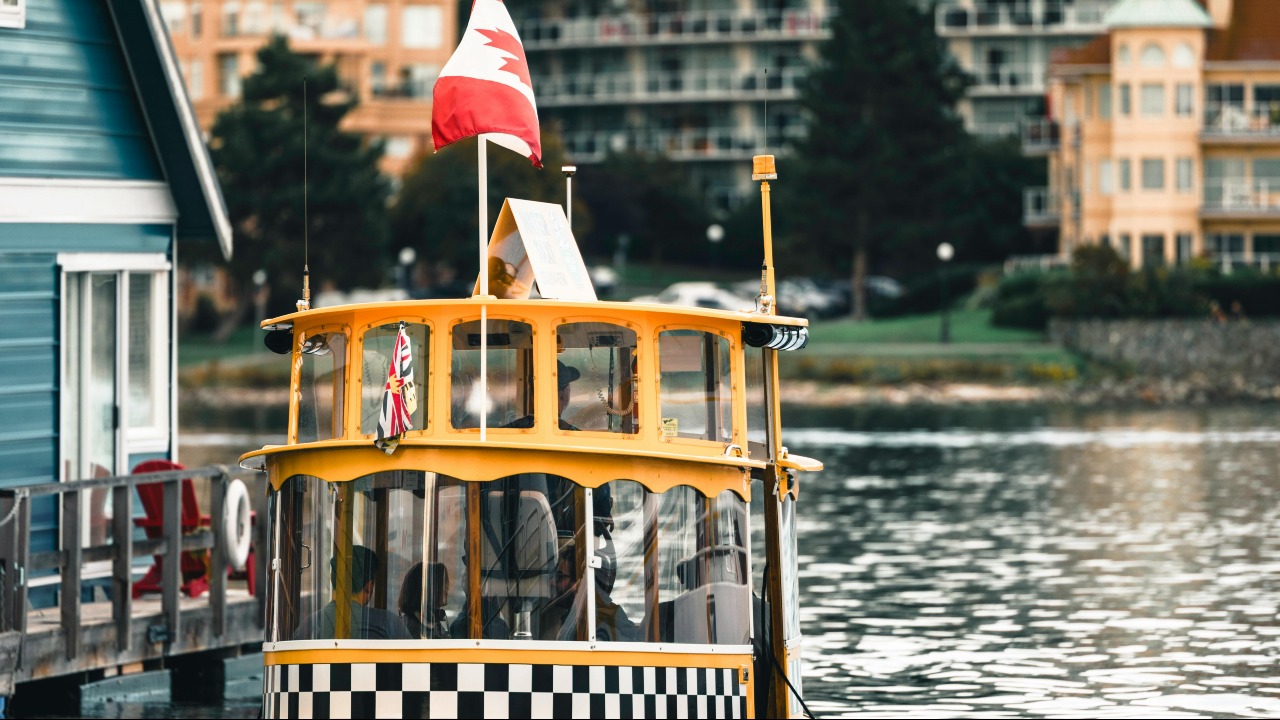
Victoria, British Columbia, Canada
Let's take a look at Victoria.
This small capital city on Vancouver Island delivers something rare: genuine civic commitment to making life easier for people over 60. Their Seniors' Action Plan isn't a dusty document nobody reads—it's actually driving real changes. Smoother sidewalks. More benches with armrests. Better curb cuts. Accessible bathrooms downtown. When a city puts resources behind making outdoor spaces work for older adults, you feel it.
The Inner Harbour area is flat and compact. You can walk from the Royal BC Museum to Parliament to the harbor shops without tackling hills. The healthcare system is strong—Royal Jubilee Hospital actually designed their Patient Care Centre around seniors' needs. We're talking natural lighting, contrast coloring, handrails everywhere, and rest areas built in. That's not marketing; that's thinking about how our bodies actually move through medical spaces.
Now here's what you need to know.
Victoria still struggles with visible homelessness and open drug use downtown. The city has the highest crime severity index among BC municipal police jurisdictions, though it dropped 11% recently. You'll want to avoid certain blocks late at night. The rainy season runs October through March. And this is Canada—costs run moderate to high, especially compared to popular retirement destinations in Latin America or Southeast Asia.
For seniors who want English-speaking healthcare, walkable streets, and a civic culture that genuinely respects older adults? Victoria delivers.
Skip the tourist-trap whale watching tours that leave from the Inner Harbour—they're overpriced and crowded. Instead, take the ferry to Sidney and book with a smaller operator there. Same orcas, half the crowds, better experience.
The Butchart Gardens are stunning but exhausting. Go early morning when it opens, do 90 minutes max, then leave before the cruise ship crowds arrive around 11am. There are benches throughout, but pace yourself—it's bigger than it looks.
For a meal that isn't overpriced harbor seafood, walk 10 minutes to Chinatown (Canada's oldest) and eat at any of the dim sum spots. Better food, lower prices, actual locals.
5.0
A 2021 community survey found that 71% of Black, Indigenous, and People of Colour experienced racism in Victoria within the previous five years.
The Black community is very small — about 1,100 people — and many Black residents say you’re often the only Black person in the room. The “Black nod” becomes a quiet survival skill.
Racism here is most often described as subtle but constant: people clutching purses, crossing the street, offering politeness without ease. As one University of Victoria professor put it, “It’s not inclusion — it’s tolerance.”
If you're determined to visit Victoria as a Black senior, time your trip around cultural events. The African Heritage Association of Vancouver Island hosts community gatherings including the SIMBA Sports Activity and Summer BBQ. The Issamba Centre runs AfriCa Fest celebrating African and Afro-descendant cultures. These won't change the daily reality, but they'll connect you to the community that exists here.
Also: the Victoria Pioneer Rifle Corps was a Black militia formed in 1859—Black history runs deep on Vancouver Island even if it's largely invisible now. The BC Black History Awareness Society can point you toward historical sites if that resonates with you.
There are community resources, including AHAVI, the BC Black History Awareness Society, and the Issamba Centre, along with a Racist Incident Helpline (1-833-457-5463).
But for Black seniors seeking visible community and ease of belonging, Victoria is not an easy place to find yourself reflected.
Yes
Victoria is generally considered LGBTQ+-friendly, with visible queer life, strong legal protections, and an active — though quieter — Pride scene compared to Vancouver. The city hosts an annual week-long Pride with a parade (early to mid-July), Festival in the Park, and community events that signal broad public support. Victoria openly brands itself as an inclusive city, with specific attention to Transgender, Non-Binary, and Two-Spirit inclusion in public spaces and programs. British Columbia’s human rights laws protect against discrimination based on sexual orientation and gender identity, and the city has taken concrete steps — all-gender washrooms, inclusive signage, staff training — to make that inclusion visible. For travelers and residents alike, the overall feel is calm, affirming, and community-oriented, with accessible resources and social groups for those who want connection without a big-city scene.
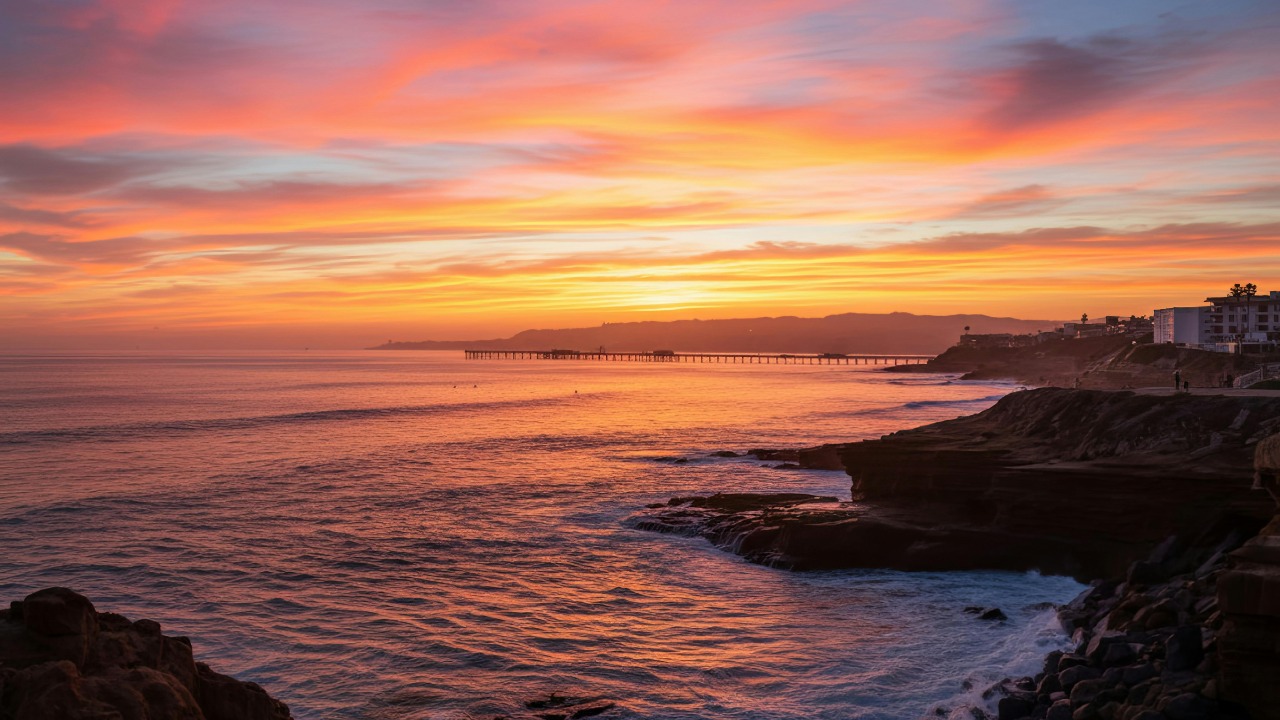
Let me tell you why San Diego keeps showing up on every "best places to retire" list—and why it works just as well for a visit.
The weather here is ridiculous. In the best way. Mild year-round, rarely too hot, almost never cold. You can plan outdoor activities without checking the forecast obsessively.
But here's what really matters for us: the main tourist areas are flat. The Embarcadero waterfront, Balboa Park's central paths, Coronado's beachfront, La Jolla Shores—all paved, all have benches, all let you rest when you need to without feeling like you're holding anyone up.
San Diego actually has an official Age-Friendly Action Plan. The city thought about us. Walkability, transportation, outdoor seating—they built it into their planning. That's not nothing.
The medical infrastructure here is genuinely excellent. UC San Diego Health and Scripps are nationally ranked systems. If something happens, you're in good hands.
The only catch? It's expensive. This is California, after all. But seniors get reduced transit fares and some museums offer free or discounted days. You can make it work with planning.
Bottom line: If you want beautiful weather, flat walking paths, world-class healthcare nearby, and a city that actually thinks about older adults—San Diego delivers.
Solo Safety Rating
Value Rating
Kim's Insider Tips
Get a PRONTO card for transit. Seniors get reduced fares on MTS trolleys and buses. The trolley is clean, easy to use, and connects downtown to Old Town, the airport, and other key areas. Way less stressful than renting a car and dealing with California traffic.
Start at Balboa Park, but pace yourself. It's huge—1,200 acres with museums, gardens, and the famous zoo. Don't try to see it all in one day. Pick two or three things, take the free tram between areas, and sit in the gardens when you need a break.
La Jolla Shores is easier than La Jolla Village. The village is charming but has some hills. The Shores area is flatter with a gentle beach, grassy parks, and accessible paths. Better for limited mobility.
Book harbor cruises in advance. The one and two-hour cruises from the Embarcadero are perfect for seniors—you sit, you see the skyline, you rest your feet. But they fill up, especially on weekends. Don't wait until you arrive.
Coronado Ferry is a hidden gem. Take the ferry from downtown to Coronado instead of driving or taking a taxi. It's cheap, scenic, and drops you right near shops and restaurants. The ride itself is part of the experience.
Carry layers. San Diego's famous weather can still surprise you. Morning fog burns off into warm afternoons, then evenings cool down near the water. A light jacket you can stuff in your bag solves everything.
Medical Infrastructure Rating
Black Community Resources
San Diego has a longstanding Black history and a visible Black population, with community life especially concentrated in southeastern neighborhoods and around Black-owned businesses. Many Black travelers report being able to find connection and familiarity fairly easily once they know where to look.
That said, this is still the United States. The same structural issues — including profiling and racial bias — can exist here, so situational awareness and choosing neighborhoods intentionally still matters.
Each year, Juneteenth celebrations in San Diego (often held in places like Memorial Park or downtown) highlight Black culture through music, food, vendors, and community gathering. Visitors can also plug into NAACP San Diego, Black-led churches, and local arts organizations for connection beyond tourism.
LGBTQ+-FRIENDLY
LGBTQ+ Community Resources
Hillcrest is one of the most established LGBTQ+ neighborhoods on the West Coast, and San Diego is widely recognized as an LGBTQ+-friendly destination. San Diego Pride, held each July, includes a large parade and festival centered around Hillcrest and Balboa Park, drawing hundreds of thousands of attendees. Pride also supports year-round community programming, including events and spaces that are welcoming to older adults. For many travelers, the overall tone is open, visible, and well-integrated into city life.
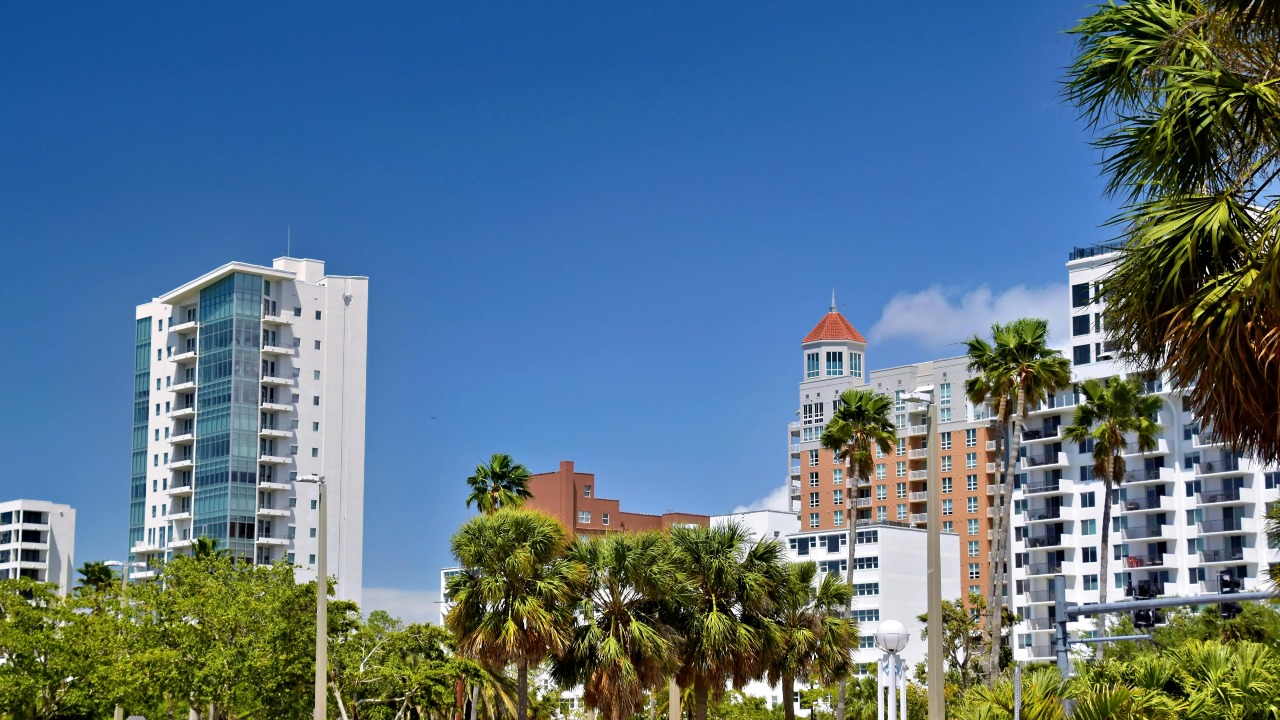
Sarasota is what happens when a city actually commits to being age-friendly instead of just saying it. This was the first WHO/AARP age-friendly community in Florida, and they didn't stop there—they paired age-friendly community, health system, AND public health designations. That's not marketing. That's infrastructure. You get geriatric emergency departments, accessible trolleys, and senior programming that actually exists. The medical care is legitimately some of the best in the country.
But here's the catch: Sarasota assumes you're driving. Public transit exists but it's patchy. If you don't have a car, your neighborhood choice matters a lot. And crime is higher than the Florida and U.S. averages in some areas, so you need to be strategic about where you stay. This isn't a walkable European city—it's a car-dependent coastal Florida town that's working hard to add accessibility features to a system built for drivers.
In other words, accessibility is strongest in tourist areas, beaches, and downtown. Breeze Transit buses and the free Bay Runner trolley have wheelchair lifts and kneeling capability. Breeze Plus paratransit serves ADA-eligible riders. Sidewalks, curb ramps, and pedestrian signals are prioritized near main corridors, but suburban areas have gaps, wide crossings, and no shade. Public restrooms and benches are common at beaches and parks, less common along main roads. If you tire easily, stay near a trolley route or beach access to reduce walking.
If you want excellent healthcare, warm weather, and a slower pace with real senior support, Sarasota delivers. Just plan your transportation and location carefully.
Solo Safety Rating
Value Rating
Kim's Insider Tips
Stay near Sarasota Memorial Hospital if healthcare access matters to you. The hospital is genuinely world-class, and being close means you can walk or take a short ride to appointments instead of driving across town. Plus, Southside Village nearby has walkable dining and calmer residential streets.
Medical Infrastructure Rating
Black Community Resources
The Sarasota African American Cultural Coalition (SAACC) preserves and celebrates local Black history. They transformed the historic Leonard Reid House—built in an early Black community—into a center for Black arts, culture, and public programs. SAACC hosts exhibits, events, and community gatherings highlighting Black leaders and artists. While Sarasota doesn't have one formal "Black neighborhood" marketed to tourists, these cultural institutions create a welcoming and visible presence for Black visitors. You have a clear cultural touchpoint here.
LGBTQ+-FRIENDLY
LGBTQ+ Community Resources
Sarasota has an active, visible LGBTQ+ community with real organizations and events. Project Pride SRQ runs community events, senior outreach, and Sarasota Pride programming. The Fabulous Arts Foundation operates the Fab LGBTQ+ Center in the Limelight District—an actual physical space for LGBTQIA+ community, art, wellness, and events. They organize Be Fabulous Music & Arts Pride Fest in downtown Sarasota (multi-day Pride celebration in May). You'll find affirming spaces downtown and nearby districts, with resources for youth, seniors, health, and housing. This isn't just tolerance—it's community infrastructure.
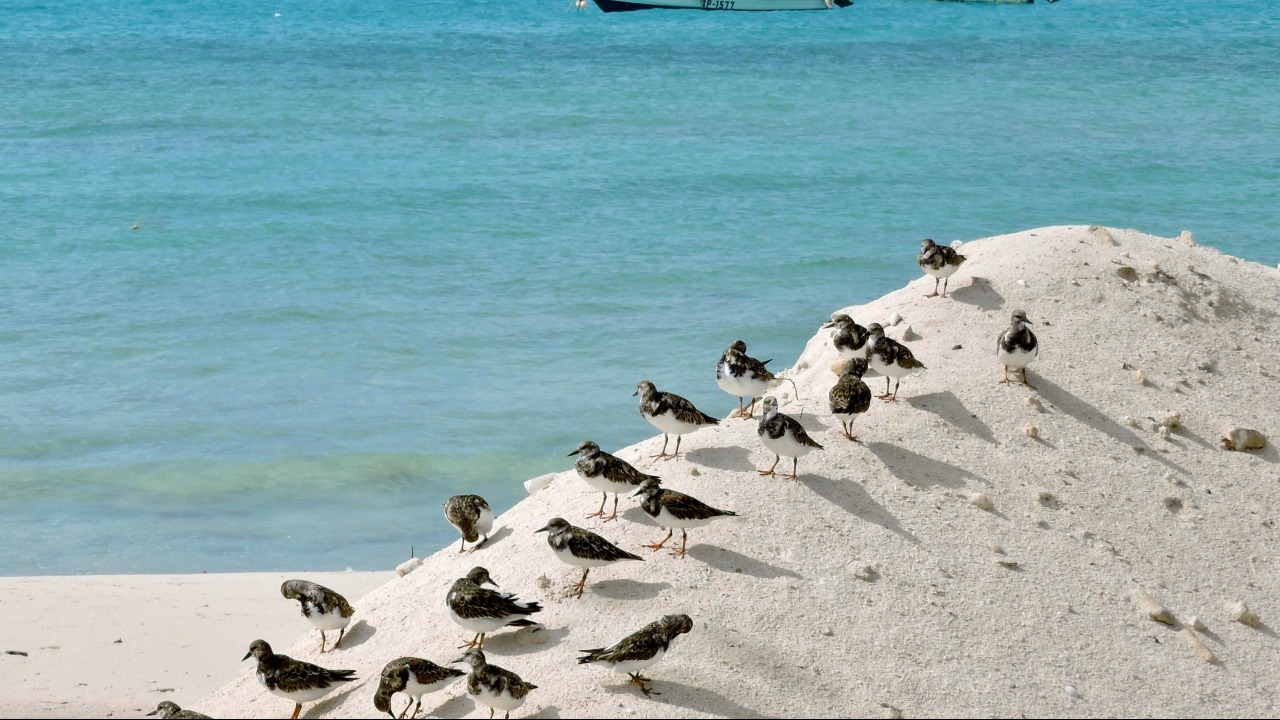
Barbados gets a lot right for senior travelers. English is the official language, so you won't struggle to communicate in hospitals or navigate services. The culture respects elders—not as a tourism marketing gimmick, but as actual national policy. The west coast has calm Caribbean waters, the island is small and manageable, and it's one of the safer Caribbean destinations. Medical care is solid, with both public and private hospitals that cater to international patients.
Here's what they don't advertise: Barbados is expensive. You're looking at $400-450 USD per day for a typical visitor, with hotel rooms averaging $470 per night for two people. Even "budget" days run around $175 USD. The infrastructure is improving for accessibility—some beaches have beach wheelchairs, newer buses are wheelchair-friendly—but step off the resort strip and you'll hit narrow, broken, or missing sidewalks. Most minibuses and ZR vans are still inaccessible. Barbados is working on accessibility but it's inconsistent. Tourist areas on the south and west coasts have some renovated sidewalks, curb ramps, and improved public restrooms. Many older streets still have broken or missing pavements and uneven surfaces. Public transport is mixed. Standard yellow minibuses and ZR vans are hard to use. But some Transport Board buses (including new electric ones) are wheelchair-friendly. Specialist accessible taxis and tours are available. Some beaches have beach wheelchairs. Resorts increasingly offer adapted rooms. Most accessibility requires advance planning and booking.
If you can afford it and don't need perfect accessibility everywhere, Barbados delivers comfort, safety, and respect. If you're on a fixed income or use mobility aids extensively, the cost and infrastructure gaps will frustrate you.
Solo Safety Rating
Value Rating
Kim's Insider Tips
Stay on the west coast near Sandy Crest Medical Centre if healthcare access matters. The Platinum Coast has the best combination of calm waters, walkable tourist infrastructure, and immediate access to private medical care. You'll pay more, but you won't waste energy navigating broken sidewalks or arranging transport to appointments.
Medical Infrastructure Rating
Black Community Resources
Barbados is a majority-Black nation. African heritage and the legacy of enslavement deeply shape the island's history and culture. Black travelers will see themselves reflected in everyday life and leadership. Heritage experiences in Bridgetown explicitly center Black resistance and resilience. "Unapologetically BLACK!" walking tours explore figures like Rachel Pringle and Samuel Jackman Prescod, and sites tied to revolt, emancipation, and free villages. Broader Black heritage tours visit Newton Burial Ground, Rock Hall (a first free village), and plantation sites linked to the Bussa Rebellion. Seniors have powerful, guided ways to connect with the island's history.
LGBTQ+ Community Resources
Barbados historically had harsh anti-sodomy laws, but things are changing. A local LGBTQ+ rights movement has grown since 2013. Bridgetown hosted its first Pride events in the late 2010s. By 2025, Pride Month is publicly launched with support from the Pan American Health Organization and diplomatic missions. There are community events like Pride Hike and Pride Party Finale. For older LGBTQ+ visitors, this means a cautiously welcoming environment in tourist areas. But conservative attitudes exist outside urban and tourist zones. Use discretion.

 Hillcrest is one of the most established LGBTQ+ neighborhoods on the West Coast, and San Diego is widely recognized as an LGBTQ+-friendly destination. San Diego Pride, held each July, includes a large parade and festival centered around Hillcrest and Balboa Park, drawing hundreds of thousands of attendees. Pride also supports year-round community programming, including events and spaces that are welcoming to older adults. For many travelers, the overall tone is open, visible, and well-integrated into city life.