LGBTQ+-Friendly

Destinations where LGBTQ+ travelers can feel safe and welcome. Look for legal protections, visible community, and a social climate where you won't need to hide who you are or who you're traveling with.

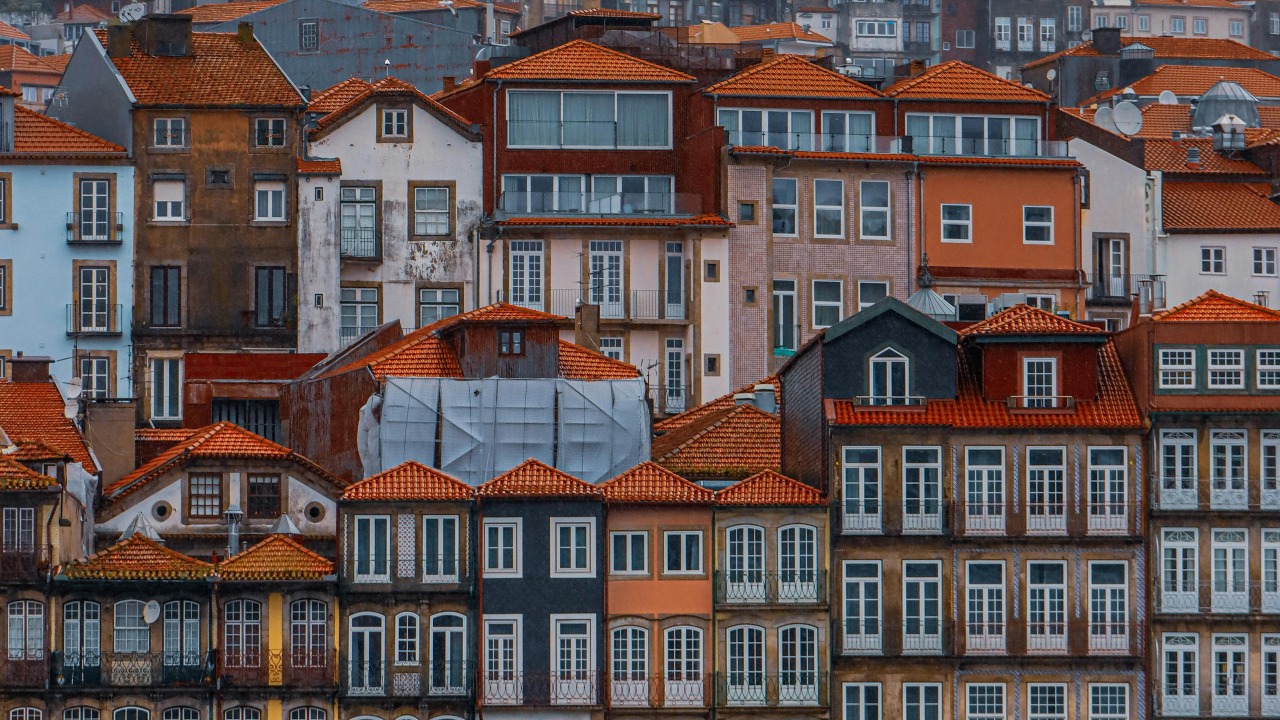
Porto is a beautiful, compact city that works very well for travelers 60+, including many on a fixed income. You get culture, coastline, and strong overall value — without the congestion or high daily costs of a large capital city. Yes, the historic center is hilly. But here’s what most guides don’t tell you: there are flatter, easier areas along the Douro riverfront and near the Atlantic coast that are much gentler on knees and hips. The modern metro, low-floor buses, funiculars, and taxis make it possible to get around without climbing hills all day. Using public transportation strategically helps keep daily costs predictable and manageable. Porto can work well for seniors and travelers with mild mobility limits who rely on buses, the metro, funiculars, and taxis instead of walking everywhere. That said, the historic areas do include steep hills, cobblestone streets, and uneven sidewalks. This makes Porto more challenging for wheelchair users or anyone who struggles with slopes. Careful route planning and accessible transportation are important to avoid the toughest terrain. Portugal consistently ranks as one of the world’s safer countries, and Porto shares that reputation. Violent crime is rare. As in any popular tourist city, you’ll want to watch for pickpockets in crowded areas. Healthcare is strong, with hospitals that have English-speaking staff. The pace of life is slower, and there is a visible respect for older adults. Compared with Lisbon, daily costs and dining are typically 20–30% lower, which matters for retirees and others living on a fixed income. Porto is generally welcoming to Black travelers. Violent crime against tourists is low. At the same time, systemic racism and racial profiling do affect Black residents at the structural level. For community connection, travelers often look to Casa Odara, African-heritage tours, and groups like Black in Portugal. For larger celebrations of Black culture, some plan trips around Afro Nation festival dates in the Algarve. For many travelers 60+, Porto hits a true sweet spot. It’s the right size. You get ocean air, wine-country day trips, reliable public transit, and a culture that feels warm, grounded, and age-friendly — without the price pressure of bigger European capitals.


Black Friendly Budget-Friendly for Fixed-Income Travelers Europe LGBTQ+-Friendly
Solo Safety Rating
Value Rating
Kim's Insider Tips Before heading down to the busy riverfront, stop at Jardins do Palácio de Cristal. It’s a peaceful garden with shaded paths, benches, and wide views of the Douro River. You’ll even see peacocks walking around. Many visitors miss it, but it’s one of the best places to sit, rest, and enjoy the view at a slower pace. Crowded tourist areas have seen more pickpocketing, especially during busy times. Keep bags zipped and worn in front of you. Don’t leave phones on café tables. Be extra alert in Ribeira, near Jardim do Morro, and on busy shopping streets at night. One tip locals often share: walk one or two blocks away from the main riverfront or old town streets. You’ll usually find quieter cafés, more local restaurants, and better prices — perfect for a long, comfortable coffee break between sightseeing.
Medical Infrastructure Rating
Black Community Resources Black travelers in Porto Portugal markets itself as welcoming to Black travelers. Porto has sizable Afro-Portuguese, Brazilian, Cape Verdean, and Angolan communities. Many Black visitors report feeling generally safe in daily life. But here's the full picture: UN and Council of Europe reports show systemic racism and racial profiling exist. Experiences can vary by skin tone, language accent, and neighborhood. Everyday experience & safety Porto has visible African and Afro-Brazilian communities. You'll see them especially in working-class areas. Immigrant-run shops, hair salons, and cafés are around. Many Black Americans choose Portugal to escape more overt racism at home. They still encounter some bias here, though. For most Black tourists, street harassment isn't common. Institutional issues (like policing and housing) affect residents more than short-term visitors. Black-focused spaces & resources in/near Porto Casa Odara (Porto) – Cultural center in downtown Porto (founded 2023). It focuses on immigrants, Black collectives, LGBTQIA+ communities, and other marginalized groups. They host exhibitions, performances, and events. It's a safe, welcoming space. https://casaodara.pt African Heritage & Colonial Roots Tour (Porto) – Walking tour that traces African heritage and colonial history in Porto. It ends at the African Arte shop. This connects you to local Afro-diasporic networks. Good resource if you're curious about history and community. National/online networks – Groups like "Black in Portugal" (centered in Lisbon but active nationwide) organize events. They share safety information and support anti-racism campaigns. Many Black expats connect through Facebook groups for Portugal expats and Black travelers. They host meetups in different cities. Porto doesn't have a recognized "Black neighborhood" like some cities do. Afro-descendant communities are spread through various residential areas and suburbs. Festivals & Black culture events Afro Nation Portugal – One of the world's biggest festivals for Afrobeats, Amapiano, dancehall, and Black diaspora music. Fans come from 160+ countries. Location: Praia da Rocha, Portimão (Algarve) – about 5–6 hours by train/bus from Porto 2025 dates: July 9–11, with headliners like Mary J. Blige, Burna Boy, Davido, and Tems Many Black visitors pair a cultural stay in Porto or Lisbon with Afro Nation in the Algarve. It's a key "Black pride" event in Portugal's travel calendar. Smaller Afro-diasporic parties and DJ nights in Porto are usually one-off club events. They're advertised on Instagram and TikTok—not formal annual parades.
LGBTQ+-FRIENDLY LGBTQ+-FRIENDLY
LGBTQ+ Community Resources LGBTQ+ Community Resources Portugal has strong legal protections for LGBTQ+ people. Same-sex marriage has been legal since 2010. Porto reflects this progressive stance. The atmosphere is welcoming. But the scene is smaller and more quiet than Lisbon's. LGBTQ+ nightlife district Porto doesn't have one defined "gay neighborhood" like Lisbon's Príncipe Real. But most LGBTQ+ venues are clustered together. You'll find them around: Jardim da Cordoaria The São Bento train station area Streets near Avenida dos Aliados The Bolhão neighborhood (also has queer-inclusive spots). Porto Pride parade** Porto Pride started in 2006. It's now one of Portugal's most important pride events. Over 7,000 people participate in recent years. The event has two main parts run by different groups: **Pride Parade** – Usually held in late June. It starts at 3 PM from Praça da República. The march goes through Santa Catarina and Avenida dos Aliados. It ends at Jardim da Cordoaria. **Porto Pride Fest** – Held separately in mid-September. You get concerts, drag shows, DJs, and international performers. It happens at Parque da Pasteleira over three days. Exact 2026 dates aren't confirmed yet. If you want to attend, check closer to summer. **LGBTQ+ community resources** **Centro GIS** – This is Porto's LGBT community center. It's named for Gisberta Salce Júnior, a transgender woman murdered in Porto in 2006. They offer support and information services. * Address: Edifício da Antiga Câmara Municipal, Rua de Brito Capelo 223, loja 40, Matosinhos * Phone: +351 966 090 117 (24 hours) * Hours: Monday–Friday, 9 AM–6 PM **ILGA Portugal** – This is Portugal's oldest LGBTI rights organization. Founded in 1995. They provide legal support, mental health services, and school programs. Headquarters are in Lisbon but they help people nationwide. * Phone: +351 969 367 005 or +351 218 873 918 * Linha LGBT helpline: Friday–Saturday, 8 PM–11 PM **OPUS Diversidades** – This NGO offers psychological, social, and legal support to the LGBTIQ+ community. * Phone: +351 924 467 485 **For LGBTQ+ seniors visiting Porto:** The city is safe and accepting. The queer scene is compact but active. Community resources are accessible. Annual pride celebrations mix political activism with festive celebration. Porto Pride parade Porto Pride started in 2006. It's now one of Portugal's most important pride events. Over 7,000 people participate in recent years. The event has two main parts run by different groups: Pride Parade – Usually held in late June. It starts at 3 PM from Praça da República. The march goes through Santa Catarina and Avenida dos Aliados. It ends at Jardim da Cordoaria. Porto Pride Fest – Held separately in mid-September. You get concerts, drag shows, DJs, and international performers. It happens at Parque da Pasteleira over three days. Exact 2026 dates aren't confirmed yet. If you want to attend, check closer to summer. LGBTQ+ community resources Centro GIS – This is Porto's LGBT community center. It's named for Gisberta Salce Júnior, a transgender woman murdered in Porto in 2006. They offer support and information services. https://centrogis.pt ILGA Portugal – This is Portugal's oldest LGBTI rights organization. Founded in 1995. They provide legal support, mental health services, and school programs. Headquarters are in Lisbon but they help people nationwide. https://ilga-portugal.pt OPUS Diversidades – This NGO offers psychological, social, and legal support to the LGBTIQ+ community. https://opusdiversidades.pt For LGBTQ+ seniors visiting Porto: The city is safe and accepting. The queer scene is compact but active. Community resources are accessible. Annual pride celebrations mix political activism with festive celebration.
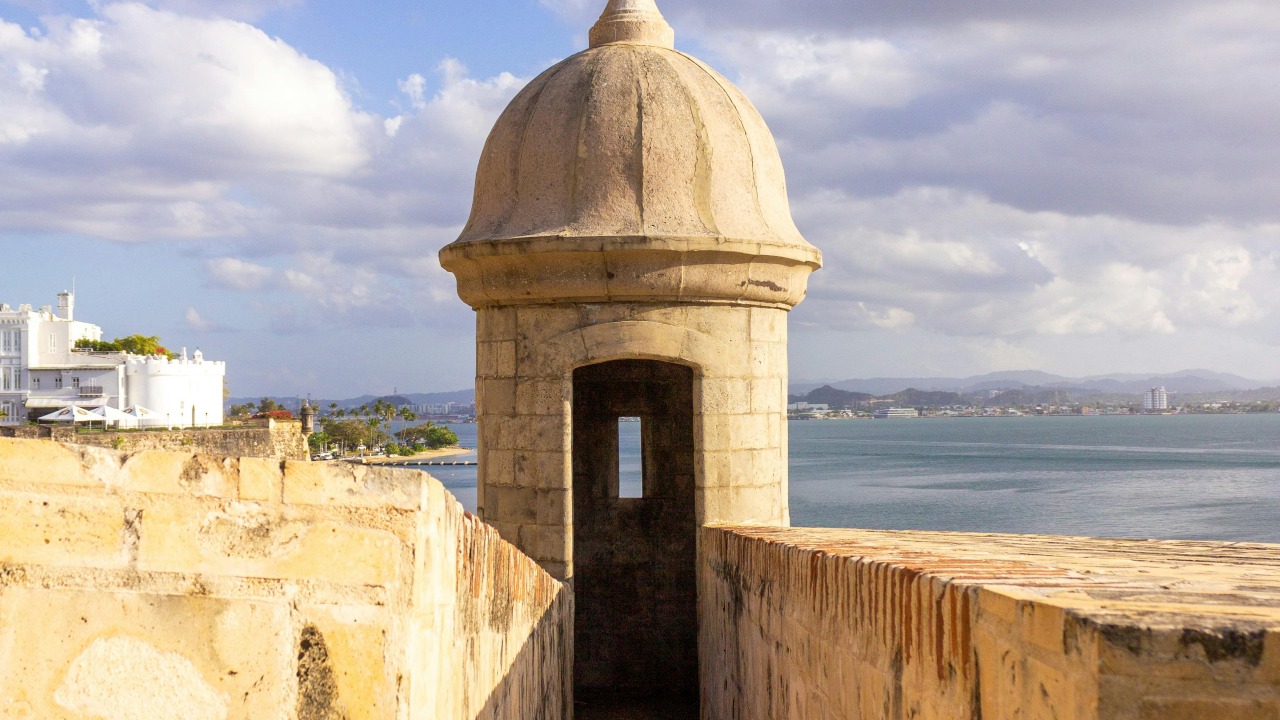
San Juan rocks if you want familiar U.S. systems, English-speaking hospitals, and walkable beachfront neighborhoods—but if you use a walker or wheelchair, those pretty cobblestones and crumbling sidewalks will make you want to scream or throw rocks. Pick your neighborhood carefully. San Juan gives you compact tourist zones where hotels, pharmacies, and restaurants cluster together—Old San Juan, Condado, Miramar, Isla Verde. You won't need a car if you stay in the right spot. As a U.S. territory, you get U.S. medical standards, U.S. dollars, and English widely spoken in tourism and healthcare. That's a huge stress reducer for older Americans. Daily costs run lower than big mainland cities, but beachfront neighborhoods and imported goods will hit your wallet. If you're on a fixed income, pay attention to where you're staying and what you're buying. Getting around The Tren Urbano (metro) runs 10.7 miles and connects with buses and the Cataño ferry. It's been offering free rides while they update ticketing. Sounds great, except: Stations aren't always near hotels Buses are inconsistent for accessibility and schedules You'll probably end up using taxis, Uber, or hotel shuttles like everyone else Wheelchair-accessible taxis exist but arrange them through your hotel in advance—don't assume you'll find one on the street. If you need elevators: Modern hotels and malls in Condado, Miramar, and Isla Verde are built to U.S. standards. Skip the charming walk-ups in Old San Juan.

Black Friendly Coastal/Beach Destinations Cultural Experiences International City LGBTQ+-Friendly
Solo Safety Rating
Value Rating
Kim's Insider Tips San Juan runs on U.S. dollars, so for Americans, there’s no need to mess with currency exchange. ATMs are easy to find, but stick to ones inside banks or hotels—way less chance of your card getting skimmed. When it comes to rental cars, the scams are real. Book only with the big names at the airport—think Avis, Enterprise, Hertz, or Charlie’s. Those off-airport “discount” spots like Dollar, Sixt, Thrifty, Budget, Routes, or Priceless? Steer clear. Snap photos of the car from every angle before you drive off, and bring your insurance declaration page just in case. Honestly, if you can, skip the rental altogether and just use Uber around San Juan. It’s easier. Parking in Old San Juan? Don’t even bother with street parking. Even if you find a legal spot, you’re asking for tickets, hassles, or worse—gas siphoning happens. Use a garage and pay the fee. It’s worth it. If you want real local food that won’t break the bank, you’ve got options. Café Manolin does classic Puerto Rican dishes—try the mofongo. Café el Punto offers great food and killer mojitos for a good price. Head to the fondas along Avenida Ponce de León in Santurce for cheap counter service. El Jibarito is the go-to in Old San Juan for Puerto Rican food, but expect a crowd; waits can hit an hour, and they don’t take reservations. Need coffee? Café Nineteen on C. Loíza is a tiny walk-up, but their coffee is perfect. Vegetarian? That’s not easy here, but Café Berlin near Plaza Colon has solid options, including vegan mofongo. About those bio bay tours—they look amazing on Instagram, but real life is more subtle. You’ll see sparkles in the water, not glowing neon. For the best experience, pick a night with no moon. Traffic here gets brutal, especially during rush hour—it’s right up there with LA or DC. Don’t trust Google Maps’ street names; follow the route, not the names, since the signs don’t always match. People drive aggressively—think more like Latin America than the mainland U.S. A heads-up: San Juan is a city, not a laid-back beach town. It’s the third largest city in the Caribbean. Expect traffic, noise, and plenty of hustle. If you’re looking for island vibes, plan to explore beyond the city. Dress smart: don’t walk around town in a swimsuit. Cover up, especially if you’re visiting a church. The Catholic faith means a lot here—respect goes a long way. You’ll hear tiny coquí frogs singing at night. Locals love them, so never complain or joke about quieting them down. Tipping runs just like the mainland—15-20% at restaurants, $10-15 for tour guides. Bring plenty of singles and small bills for tips and street vendors. Want to explore? Check out puertoricodaytrips.com for free self-guided walking tours of Old San Juan. La Factoría isn’t just a bar—it’s one of the world’s best. It gets crowded, but it’s absolutely worth a visit. Tap water’s safe, so fill your bottle and skip the bottled stuff. If you’re coming during hurricane season (June through November), keep an eye on the weather. Heavy rain can mean flooding and power outages, and you don’t want to be caught off guard. Last thing: get small bills before you arrive—$1s, $5s, and $10s come in handy for tips and buying from vendors.
Medical Infrastructure Rating
Black Community Resources San Juan has a visibly mixed Afro-LatinX population. Black locals and expats say Puerto Rico is "very accepting of Black people and Black culture"—the population ranges from very light to very dark, and racism is generally less overt than mainland U.S. You'll blend into a racially mixed society. **Where to stay:** Old San Juan, Condado, Ocean Park, Isla Verde—same as other tourists. No single "Black neighborhood," but Afro-Puerto Rican culture is woven throughout. **Safety:** Crime is tied to specific areas, not race. Stay in tourist zones, use normal city precautions. **Key cultural experiences:** **Loíza** (just east of San Juan) - Heart of Afro-Puerto Rican culture. Bomba music, festivals, Piñones beach/food strip. Essential for Black heritage. **Festival Bomba y Plena** - Major Afro-Puerto Rican celebration. June 27, 2026. Music, dance, culture. **Fiestas de la Calle San Sebastián (SanSe)** - January, Old San Juan. Live music, parades, heavily features Afro-Puerto Rican performers. **Afro-Puerto Rican tours** - History, food, dance tours available through Viator and similar platforms. **Community resources:** **Colectivo Ilé** - Anti-racist organization, public workshops on Afro-descendant identity. **Taller Salud** (Loíza) - Grassroots group focused on Black communities, health access, economic development. **Bottom line:** San Juan is genuinely welcoming for Black travelers. You won't face the same racial dynamics as mainland U.S. Strong Afro-Puerto Rican cultural presence. For Black travelers over 60 looking for Caribbean sun without racial stress, San Juan delivers.
LGBTQ+-FRIENDLY LGBTQ+-FRIENDLY
LGBTQ+ Community Resources LGBTQ+ Community Resources # LGBTQ+-friendly rating for San Juan **Overall LGBTQ+ friendliness: 5/5** San Juan is one of the gayest, most welcoming cities in the Caribbean. Visible queer community, same-sex couples holding hands in tourist zones, vibrant nightlife. International LGBTQ travel organizations actively promote it. This isn't "tolerant"—this is genuinely welcoming. **Where LGBTQ+ travelers should stay:** **Condado** - The main gay district. Highest concentration of LGBTQ-friendly hotels, restaurants, beach access. "Gay beach" is here. Best base for first-time queer visitors. Easy Uber to Santurce's bars and clubs. **Santurce** (especially Calle Loíza and La Placita) - Artsy, nightlife-heavy, grittier. This is where the queer bar and club scene lives. More local, less polished than Condado. **Ocean Park** - Relaxed beach vibes between Condado and Isla Verde. Home to Coquí del Mar, a gay clothing-optional guesthouse. **LGBTQ+ resources for seniors:** **Waves Ahead / Los Centros de Todes** - Puerto Rican NGO running LGBTQ+ community centers, specifically focused on mental health and support for LGBTQ adults and older adults. The only direct services provider focused on LGBTQ+ and older adult communities. Free psychosocial services, support groups, community programs. This is a real resource if you need community or mental health support while traveling. **True Self Foundation** (San Juan-based) - Financial assistance, legal support, resources for gender-diverse people. Emphasis on trans, queer, non-binary communities. **Pride:** June every year. Main parade usually third or fourth Sunday of June. Route starts at Parque del Indio in Condado, marches along Ashford Avenue (oceanfront strip), ends at Parque del Tercer Milenio/Escambrón with stage, performances, beachside rally. Pride week includes nightly parties across Condado and Santurce. This is the liveliest queer period of the year. **Recurring events:** Mercado Cuir (LGBTQ outdoor market at El Hangar in Santurce), drag and queer performance nights at venues like Vidy's in Río Piedras. **Bottom line:** San Juan is genuinely safe and welcoming for LGBTQ+ travelers over 60. Strong community infrastructure, visible queer presence, specific resources for older LGBTQ adults. If you're looking for Caribbean sun without worrying about holding your partner's hand or finding community, this is it.
Asia Pacific Cultural Experiences Extended Stay LGBTQ+-Friendly Solo Friendly
Solo Safety Rating
Value Rating
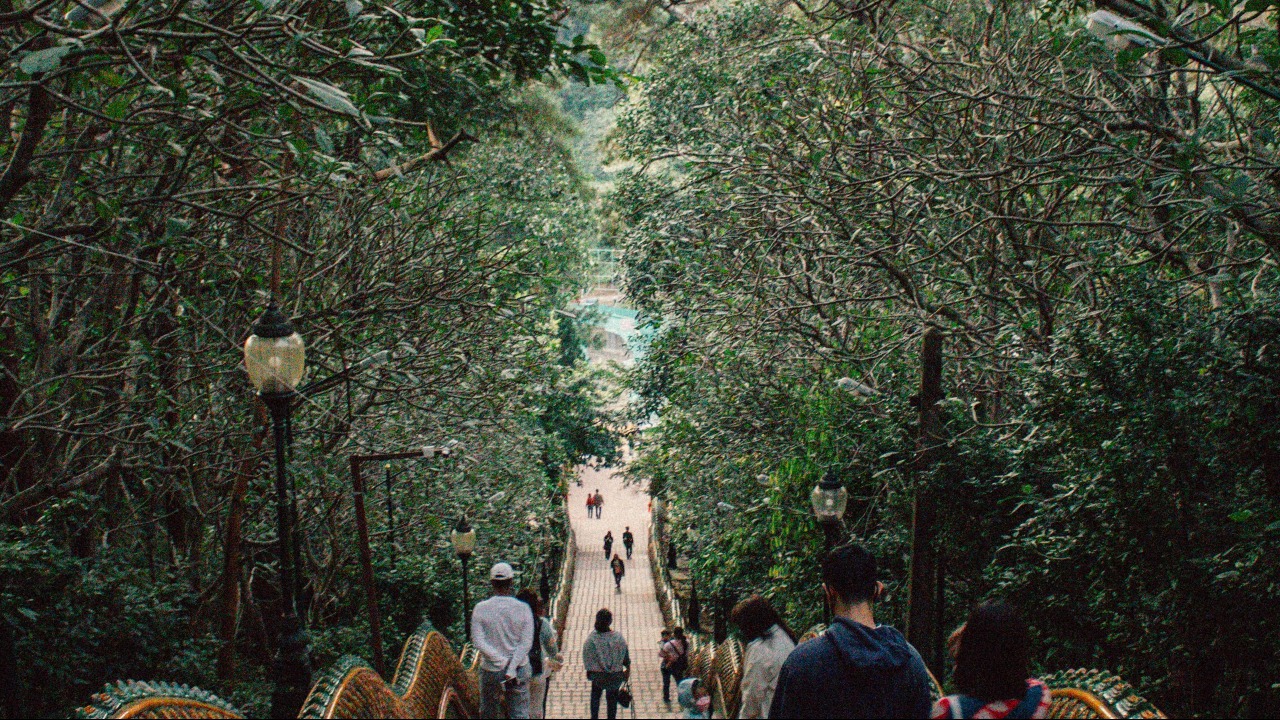
Kim's Insider Tips Skip the long walks—use Grab or red songthaews for short hops. Use modern malls like Maya and One Nimman as air-conditioned rest stops with accessible bathrooms. Consider combining your trip with affordable medical check-ups at private hospitals. Thai culture deeply respects elders, so expect patient, gentle service.
Medical Infrastructure Rating
Black Community Resources Many Black travelers describe Chiang Mai — and Thailand more broadly — as physically safe, with everyday interactions shaped more by curiosity and colorism than by hostility. That said, colorism is real. Preferences for lighter skin and occasional stereotypes or ignorant comments can surface, particularly in more local spaces or among older residents. Long-term Black residents often note that the most overtly racist behavior they encounter comes from other foreigners, while Thai bias tends to show up more subtly — through social hierarchy or differential treatment rather than confrontation. For most Black senior travelers, the experience is best described as safe, often warm, but not immune to ignorance.
LGBTQ+-FRIENDLY LGBTQ+-FRIENDLY
LGBTQ+ Community Resources LGBTQ+ Community Resources Thailand is widely known for visible queer life, and Chiang Mai is no exception. Same-gender couples commonly report being able to walk together, book shared accommodations, and socialize without harassment — especially in tourist, expat, and central city areas. Chiang Mai has also seen a revival of Pride events in recent years, with parades, talks, and community gatherings now part of the city’s calendar again. Pride activity is most visible around central landmarks and shopping areas. For older LGBTQ+ travelers, this is a place where being out with a partner is generally comfortable — with the understanding that discretion may still feel appropriate in more traditional or rural settings.

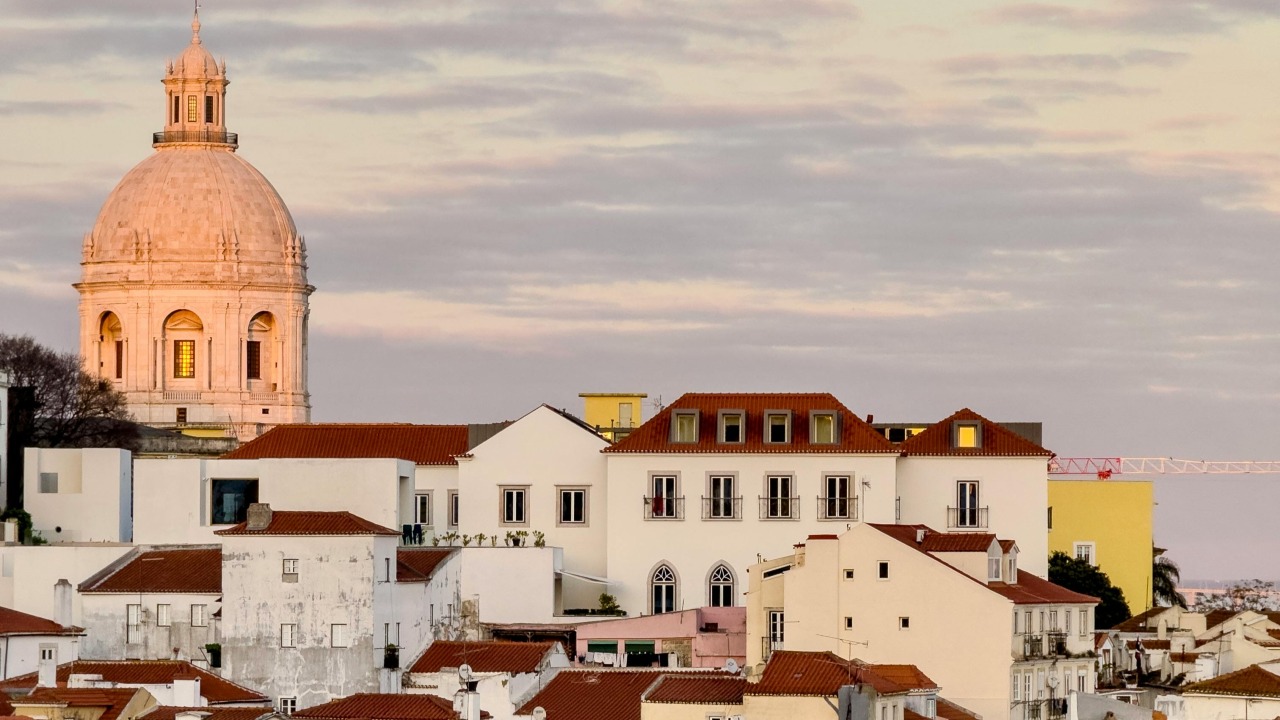
Let’s keep it real: Lisbon is one of those places everybody puts on their bucket list, and honestly? For good reason. But I'm not going to sugarcoat it. This city was built on seven hills. That means steep climbs, uneven cobblestones, and some neighborhoods that will make your knees speak to you in ways you do not want to hear. But here's the good news: if you pick the right neighborhoods and use the city's elevators, funiculars, and taxis smartly, Lisbon becomes absolutely doable and beautiful for travelers 60 and over. Portugal ranks as one of the safest countries in Europe. Healthcare is solid, with several private hospitals that actually expect and welcome international patients. Costs are lower than most U.S. cities. And the cafe culture? Perfect for us. Sit down. Rest. Watch the world go by. Nobody rushes you here. Just plan ahead. Stay flat. Ask for help when you need it. And you'll see exactly why this place captures hearts.

Black Friendly Europe LGBTQ+-Friendly Medical Facilities
Solo Safety Rating
Value Rating
Kim's Insider Tips Skip the famous Tram 28E. I know, I know—it's on every list. But it's crowded, a pickpocket hotspot, and hard to get a seat. Instead, take a taxi or Uber to the same viewpoints. Your knees and your wallet will thank you. Use the elevators and funiculars. The city has several public elevators (like the Santa Justa Lift) and funicular railways that take you up the hills. They're built into the public transit system. Use them. Pack comfortable shoes with good grip. Those beautiful cobblestones get slippery. Leave the cute flats at home. You want sturdy soles and ankle support. Download Uber and Bolt before you arrive. Both apps work great in Lisbon. Prices are reasonable and shown upfront. This is how you avoid steep hills without worrying about taxi meters. Rest during the afternoon. Portugal runs on a Mediterranean schedule. Shops close for lunch. It gets hot in summer. Embrace the slower pace. Go back to your hotel. Take a nap. Come out again when the city cools down. That's not being lazy—that's traveling smart.
Medical Infrastructure Rating
Black Community Resources Lisbon is a diverse, global city with visible African and Afro-Brazilian communities woven into everyday life. Racism exists — as it does everywhere — but most Black travelers report feeling physically safe moving through the city. Rather than a single “Black neighborhood,” Black culture in Lisbon shows up across the city — through Afro-Lisboa festivals, African music spaces, food, and community events. Most visitors connect through expat circles, cultural meetups, and informal networks, rather than senior-specific organizations. The experience is less about being singled out — and more about blending in.
LGBTQ+-FRIENDLY LGBTQ+-FRIENDLY
LGBTQ+ Community Resources LGBTQ+ Community Resources Lisbon is widely regarded as very LGBTQ+-friendly. The city has a long-standing Pride march (Marcha do Orgulho LGBTI+) and hosts Arraial Lisboa Pride, Portugal’s largest LGBTQ+ festival, each June. Pride events are centered around Jardim do Príncipe Real, where the parade, Pride Village, concerts, community organizations, and advocacy spaces draw tens of thousands of people each year. For many travelers, especially older adults, the tone is open, relaxed, and public — without feeling overwhelming.

Filters

Tags