Kilkenny is one of the best cities in Ireland for senior travelers. It's not just marketing—the World Health Organization officially named it Age Friendly. Ireland leads the world in making cities work for older people, and Kilkenny shows exactly how it's done.
What Makes Kilkenny Special
Kilkenny was Ireland's first city to get Age Friendly status from the World Health Organization. The county has a group of older people who help make decisions about local policies. That means the city is built around what seniors actually need, not what someone guessed they might want.
The old part of town is small and easy to walk. Most shops, cafés, and places to see sit along a mostly flat stretch called the "Medieval Mile." It runs between Kilkenny Castle and St Canice's Cathedral. If you walk slowly or use a cane, walker, or wheelchair, this setup works perfectly.
Kilkenny Castle: Your Home Base
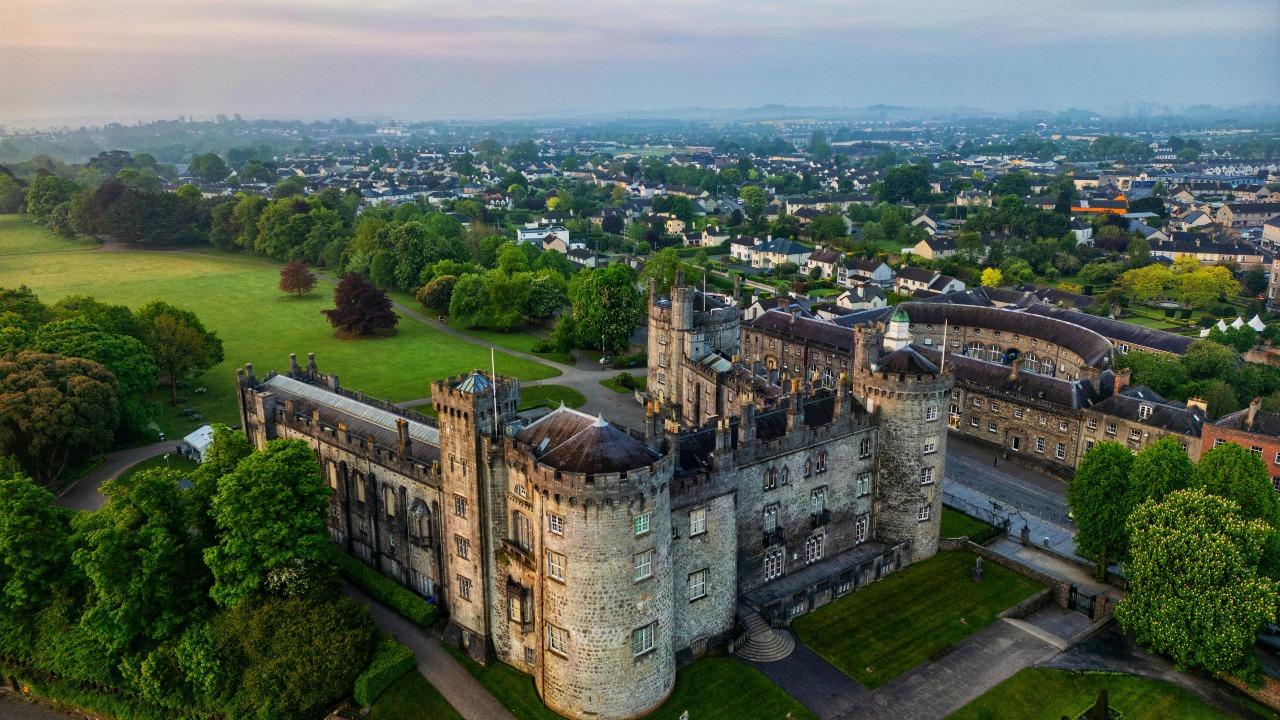
Kilkenny Castle is a must-see. The castle has 52 acres of parkland and gardens that are mostly flat. You'll find good paths, plenty of benches, and even an accessible playground. The castle itself has wheelchair access and accessible bathrooms. You can spend a whole afternoon here without wearing yourself out.
The Whole County Gets It Right
Even the small towns nearby understand what seniors need. Thomastown (also in County Kilkenny) fixed their sidewalks, added better lighting, put in more seating, and built age-friendly bus shelters. This shows you what to expect across the whole region—not just in the main city.
Ireland Does This Better Than Most Places
Other Irish spots like Dublin, Killarney, Adare, and Kenmare also work well for older travelers who want accessible, low-stress trips. Ireland's network of Age Friendly Towns is used as an example around the world for how to make communities work for older residents and visitors. When you travel to Ireland, you're going to a country that actually thinks about what you need.
Accessible Destinations
Aging-Friendly Activities
Cultural Experiences
Europe
Medical Facilities
Solo Safety Rating
Value Rating
Kim's Insider Tips
Base yourself within a 5–10 minute walk of Kilkenny Castle so you can treat that flat castle park as your daily "backyard" for gentle strolls, people-watching, and easy picnic breaks between activities. Pair a short, guided Medieval Mile walking tour (to minimize navigation stress) with a relaxed afternoon in the castle gardens or along the River Nore. Plan at least one slow day with just coffee-hopping and park time. You're not here to check boxes—you're here to breathe.
Medical Infrastructure Rating
Black Community Resources
Ireland's smaller cities have limited but growing Black communities. Kilkenny is known more for its welcoming small-town atmosphere than for large Black cultural spaces, so expect friendliness but relatively low visible diversity compared to Dublin. For deeper Black cultural connection, pair Kilkenny with time in Dublin, where you'll find more diverse neighborhoods, events, and community-based groups.
LGBTQ+-FRIENDLY
LGBTQ+ Community Resources
Ireland has strong national LGBTQ+ protections, marriage equality, and visible Pride events. Small cities like Kilkenny generally reflect this accepting climate even if the local scene is low-key. If you're seeking vibrant queer nightlife or community events, combine Kilkenny with Dublin, Cork, or Galway, and use Kilkenny as your calm, comfortable base with low overt hostility.
Let’s have a heart-to-heart about Panama City.
It can work beautifully for travelers over 60.
And like any real city — New York included — it’s best understood without rose-colored glasses.
The strengths are real.
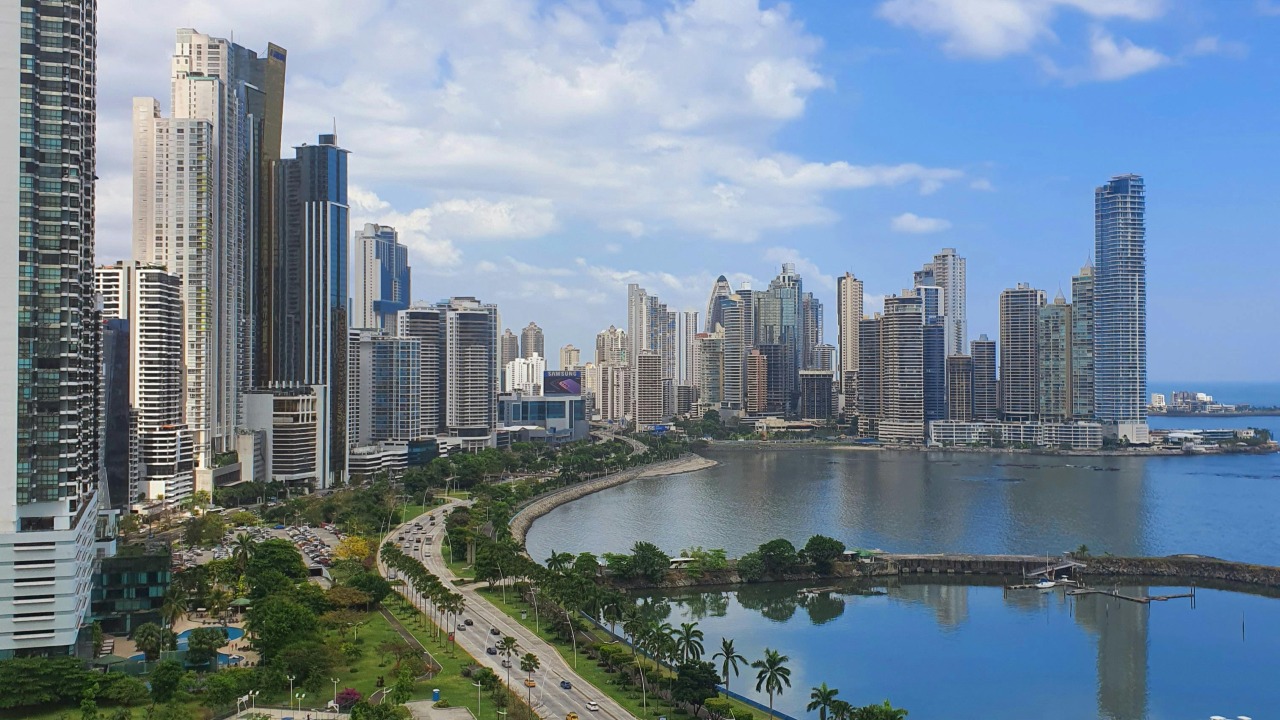
This is a modern city with excellent private healthcare.
U.S. dollars are accepted everywhere.
Costs are reasonable — many people live well on $2,000–$3,000 a month.
A specialist visit at a top hospital runs about $50.
Try getting that in Miami.
Hospital Punta Pacífica is a standout. It’s JCI-accredited, meaning it’s held to the same international patient-safety and quality standards used by major U.S. hospitals like Johns Hopkins, Mayo Clinic, and NYU Langone. Doctors are U.S.- and European-trained, English-speaking, and the systems are designed to protect patients — not just look impressive.
If medical access matters to you, Panama City delivers.
Transportation is another strength.
The Metro is clean, modern, and inexpensive — about 35 cents per ride. Adults 62+ can receive the senior fare (around 24 cents) by obtaining a Metro senior card, which is issued in person with valid ID at Metro customer service offices and select stations. Stations have elevators and escalators, and this isn’t a visitor perk — it’s everyday infrastructure.
And let's not forget—you're minutes from one of the engineering wonders of the world. The Panama Canal is right here. Miraflores Locks has a visitor center with elevators, air conditioning, and seating where you can watch massive ships pass through. It's genuinely awe-inspiring, and it's accessible for seniors
Now, a few things people sometimes overlook.
Sidewalks can be uneven or incomplete in many areas. That doesn’t make the city unwalkable — but it does mean walking everywhere isn’t always the easiest option, especially if you have mobility concerns. Many residents rely on taxis and rideshares as part of daily life.
And like any large city, neighborhood dynamics vary.
I live in Bed-Stuy, Brooklyn.
For years, people described my neighborhood in ways that didn’t match reality.
So I don’t label places as “good” or “bad.”
I think in terms of familiarity, comfort, and fit.
Some areas — like El Chorrillo, Curundú, and parts of Calidonia and Santa Ana — are places where visitors benefit from local knowledge, language skills, or a strong sense of how cities work. If you’re from New York, this may feel intuitive. If you’re not, it’s reasonable to choose areas that feel simpler and more supportive while you get oriented.
Many people gravitate toward flatter terrain, newer buildings, elevators, and proximity to healthcare — not because other neighborhoods are off-limits, but because these features reduce friction in daily life.
Add in the tropical heat — the kind that encourages an afternoon pause — and pacing becomes part of the lifestyle.
Bottom line:
Panama City isn’t about chasing a perfect neighborhood.
It’s about understanding how the city functions — and choosing what supports your body, rhythm, and peace.
Seen clearly, it can be a remarkably comfortable and well-resourced place to land
Accessibility + Mobility-Friendly
Black Friendly
Central America
Cultural Experiences
Extended Stay
Solo Safety Rating
Value Rating
Kim's Insider Tips
Panama City isn’t a universal fit for everyone over 60 — and that’s okay. (Nothing is.)
It’s hot. Sidewalks vary. Like any real city, some areas ask for more awareness than others.
Taxi apps are safer than street hails. I was actually overcharged for days by a car service that was suggested by our hotel so be wary. Uber and Bolt show you the price upfront, track your route, and create a record of your trip. Use them.
But for people who plan thoughtfully, pace themselves with the climate, and care deeply about accessible, high-quality healthcare, this city offers something genuinely rare.
Where else do you find a Johns Hopkins–affiliated, JCI-accredited hospital, U.S. dollars, modern apartments with elevators and ocean views, reliable rideshares, and a comfortable cost of living under $2,500 a month?
Panama City rewards preparation — understanding how neighborhoods function, choosing a building that supports your body, and accepting that taxis and rideshares are often part of daily life.
Do that, and the city opens up beautifully.
The world doesn’t stop being interesting after 60.
We just travel it with more discernment — and Panama City meets that moment with grace.
Medical Infrastructure Rating
Black Community Resources
Panama City has a large Afro-Panamanian population, and Black culture is woven into the country’s history, music, and everyday life. While colorism and discrimination still exist, many Black travelers report a sense of cultural familiarity and visible Black communities throughout the capital.
Afro-heritage festivals and Garifuna and Afro-Panamanian cultural events appear throughout the year. Visitors who want deeper connection can seek out Black-owned tours, cultural centers, and historical experiences, particularly in and around Casco Antiguo.
LGBTQ+-FRIENDLY
LGBTQ+ Community Resources
Panama City is generally LGBTQ+ friendly, especially in central neighborhoods like Casco Antiguo and El Cangrejo. There’s a visible queer scene and an annual Pride event. Legal protections are still evolving, and acceptance isn’t uniform everywhere, but most LGBTQ+ travelers feel safe and welcome in the city. Fundación Iguales (Panama) 🌈 LGBTQ+ rights & legal advocacy organization 🔗 Website: fundacioniguales.org Fundación Iguales is a Panamanian non-profit focused on LGBTQ+ human rights, education, and legal advocacy. While it’s not a community center or social hub, it’s a respected local organization and a useful reference point for rights-related information and community visibility in Panama. Bottom line: LGBTQ+ friendly, but situational awareness still matters.
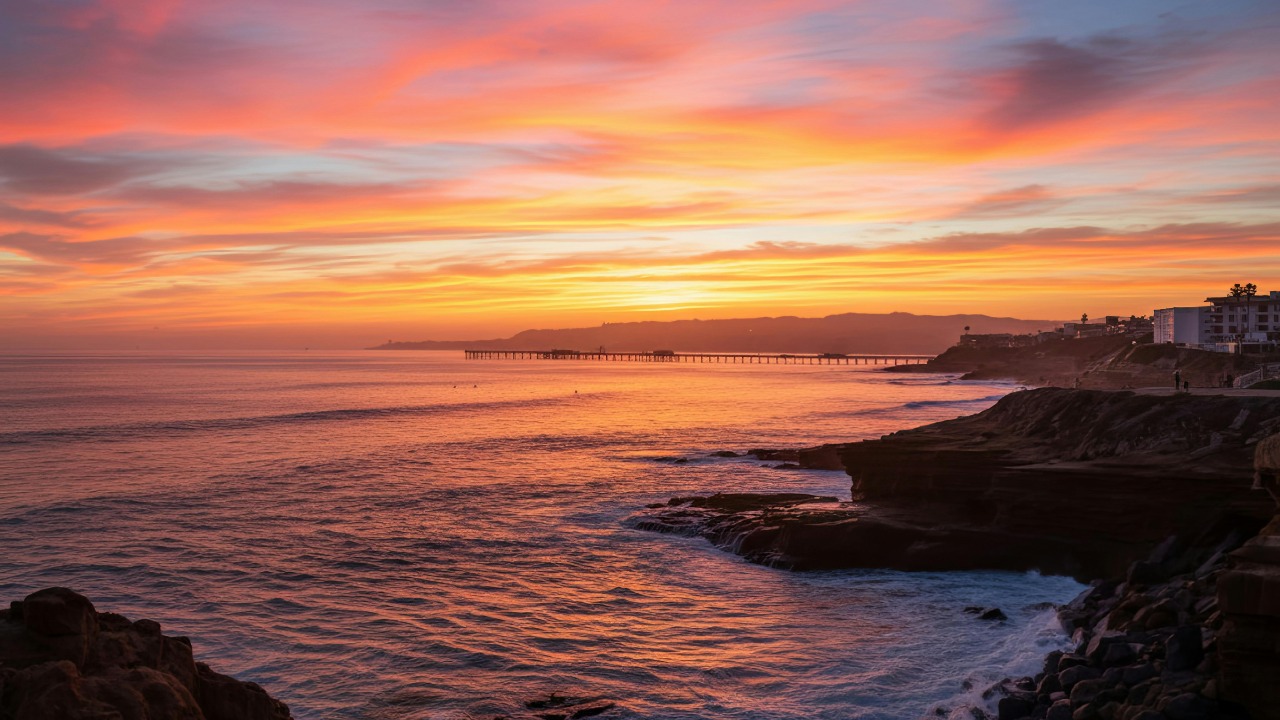
Let me tell you why San Diego keeps showing up on every "best places to retire" list—and why it works just as well for a visit.
The weather here is ridiculous. In the best way. Mild year-round, rarely too hot, almost never cold. You can plan outdoor activities without checking the forecast obsessively.
But here's what really matters for us: the main tourist areas are flat. The Embarcadero waterfront, Balboa Park's central paths, Coronado's beachfront, La Jolla Shores—all paved, all have benches, all let you rest when you need to without feeling like you're holding anyone up.
San Diego actually has an official Age-Friendly Action Plan. The city thought about us. Walkability, transportation, outdoor seating—they built it into their planning. That's not nothing.
The medical infrastructure here is genuinely excellent. UC San Diego Health and Scripps are nationally ranked systems. If something happens, you're in good hands.
The only catch? It's expensive. This is California, after all. But seniors get reduced transit fares and some museums offer free or discounted days. You can make it work with planning.
Bottom line: If you want beautiful weather, flat walking paths, world-class healthcare nearby, and a city that actually thinks about older adults—San Diego delivers.
Accessible Destinations
Aging-Friendly Activities
Coastal/Beach Destinations
Medical Facilities
United States
Solo Safety Rating
Value Rating
Kim's Insider Tips
Get a PRONTO card for transit. Seniors get reduced fares on MTS trolleys and buses. The trolley is clean, easy to use, and connects downtown to Old Town, the airport, and other key areas. Way less stressful than renting a car and dealing with California traffic.
Start at Balboa Park, but pace yourself. It's huge—1,200 acres with museums, gardens, and the famous zoo. Don't try to see it all in one day. Pick two or three things, take the free tram between areas, and sit in the gardens when you need a break.
La Jolla Shores is easier than La Jolla Village. The village is charming but has some hills. The Shores area is flatter with a gentle beach, grassy parks, and accessible paths. Better for limited mobility.
Book harbor cruises in advance. The one and two-hour cruises from the Embarcadero are perfect for seniors—you sit, you see the skyline, you rest your feet. But they fill up, especially on weekends. Don't wait until you arrive.
Coronado Ferry is a hidden gem. Take the ferry from downtown to Coronado instead of driving or taking a taxi. It's cheap, scenic, and drops you right near shops and restaurants. The ride itself is part of the experience.
Carry layers. San Diego's famous weather can still surprise you. Morning fog burns off into warm afternoons, then evenings cool down near the water. A light jacket you can stuff in your bag solves everything.
Medical Infrastructure Rating
Black Community Resources
San Diego has a longstanding Black history and a visible Black population, with community life especially concentrated in southeastern neighborhoods and around Black-owned businesses. Many Black travelers report being able to find connection and familiarity fairly easily once they know where to look.
That said, this is still the United States. The same structural issues — including profiling and racial bias — can exist here, so situational awareness and choosing neighborhoods intentionally still matters.
Each year, Juneteenth celebrations in San Diego (often held in places like Memorial Park or downtown) highlight Black culture through music, food, vendors, and community gathering. Visitors can also plug into NAACP San Diego, Black-led churches, and local arts organizations for connection beyond tourism.
LGBTQ+-FRIENDLY
LGBTQ+ Community Resources
Hillcrest is one of the most established LGBTQ+ neighborhoods on the West Coast, and San Diego is widely recognized as an LGBTQ+-friendly destination. San Diego Pride, held each July, includes a large parade and festival centered around Hillcrest and Balboa Park, drawing hundreds of thousands of attendees. Pride also supports year-round community programming, including events and spaces that are welcoming to older adults. For many travelers, the overall tone is open, visible, and well-integrated into city life.
Let’s keep it real: Lisbon is one of those places everybody puts on their bucket list, and honestly? For good reason. But I'm not going to sugarcoat it.
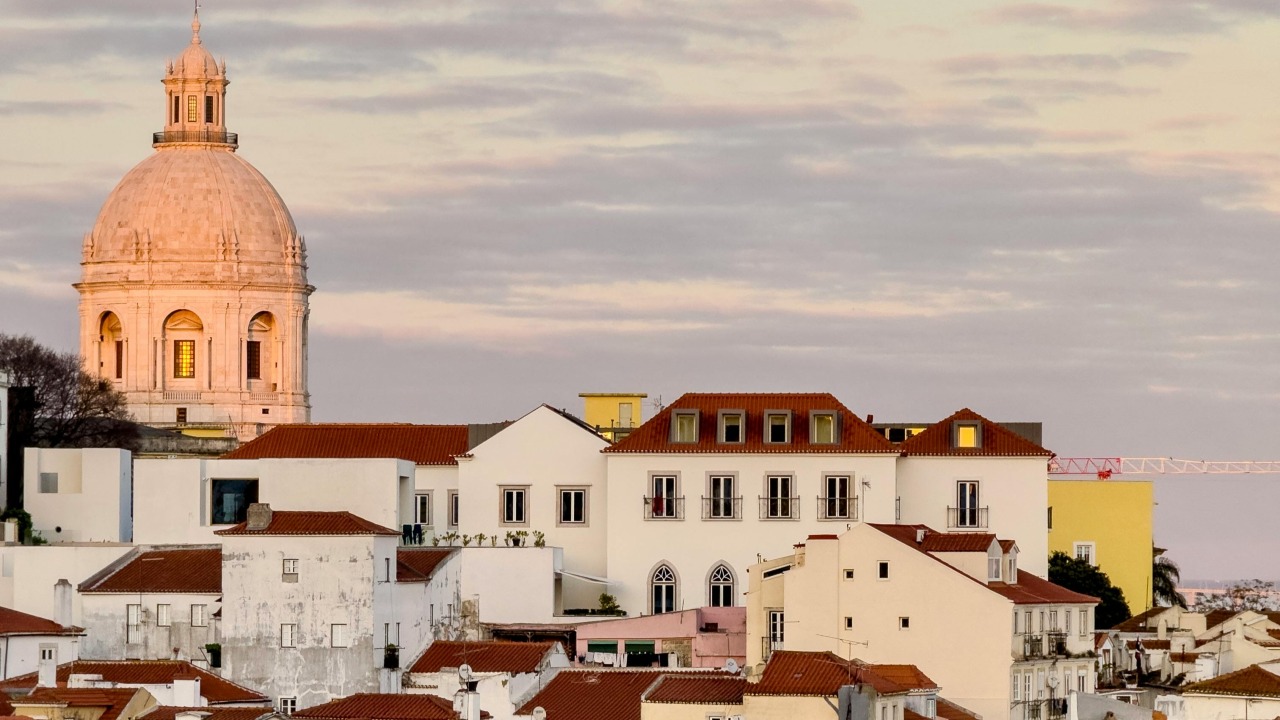
This city was built on seven hills. That means steep climbs, uneven cobblestones, and some neighborhoods that will make your knees speak to you in ways you do not want to hear.
But here's the good news: if you pick the right neighborhoods and use the city's elevators, funiculars, and taxis smartly, Lisbon becomes absolutely doable and beautiful for travelers 60 and over.
Portugal ranks as one of the safest countries in Europe. Healthcare is solid, with several private hospitals that actually expect and welcome international patients. Costs are lower than most U.S. cities. And the cafe culture? Perfect for us. Sit down. Rest. Watch the world go by. Nobody rushes you here.
Just plan ahead. Stay flat. Ask for help when you need it. And you'll see exactly why this place captures hearts.
Black Friendly
Europe
LGBTQ+-Friendly
Medical Facilities
Solo Safety Rating
Value Rating
Kim's Insider Tips
Skip the famous Tram 28E. I know, I know—it's on every list. But it's crowded, a pickpocket hotspot, and hard to get a seat. Instead, take a taxi or Uber to the same viewpoints. Your knees and your wallet will thank you.
Use the elevators and funiculars. The city has several public elevators (like the Santa Justa Lift) and funicular railways that take you up the hills. They're built into the public transit system. Use them.
Pack comfortable shoes with good grip. Those beautiful cobblestones get slippery. Leave the cute flats at home. You want sturdy soles and ankle support.
Download Uber and Bolt before you arrive. Both apps work great in Lisbon. Prices are reasonable and shown upfront. This is how you avoid steep hills without worrying about taxi meters.
Rest during the afternoon. Portugal runs on a Mediterranean schedule. Shops close for lunch. It gets hot in summer. Embrace the slower pace. Go back to your hotel. Take a nap. Come out again when the city cools down. That's not being lazy—that's traveling smart.
Medical Infrastructure Rating
Black Community Resources
Lisbon is a diverse, global city with visible African and Afro-Brazilian communities woven into everyday life. Racism exists — as it does everywhere — but most Black travelers report feeling physically safe moving through the city.
Rather than a single “Black neighborhood,” Black culture in Lisbon shows up across the city — through Afro-Lisboa festivals, African music spaces, food, and community events. Most visitors connect through expat circles, cultural meetups, and informal networks, rather than senior-specific organizations.
The experience is less about being singled out — and more about blending in.
LGBTQ+-FRIENDLY
LGBTQ+ Community Resources
Lisbon is widely regarded as very LGBTQ+-friendly. The city has a long-standing Pride march (Marcha do Orgulho LGBTI+) and hosts Arraial Lisboa Pride, Portugal’s largest LGBTQ+ festival, each June. Pride events are centered around Jardim do Príncipe Real, where the parade, Pride Village, concerts, community organizations, and advocacy spaces draw tens of thousands of people each year. For many travelers, especially older adults, the tone is open, relaxed, and public — without feeling overwhelming.

 Ireland has strong national LGBTQ+ protections, marriage equality, and visible Pride events. Small cities like Kilkenny generally reflect this accepting climate even if the local scene is low-key. If you're seeking vibrant queer nightlife or community events, combine Kilkenny with Dublin, Cork, or Galway, and use Kilkenny as your calm, comfortable base with low overt hostility.