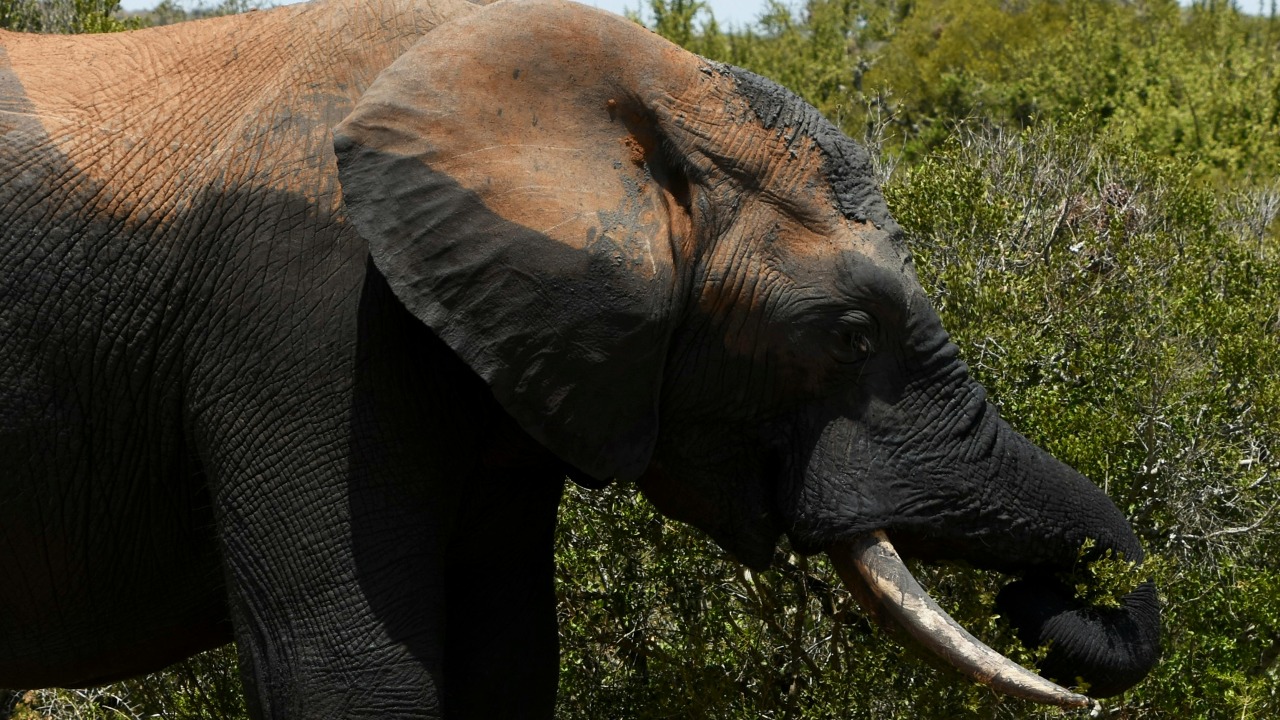
One of the most accessible African safari for seniors—direct flights from NYC, excellent infrastructure, world-class lodges, and spectacular Big Five viewing without the complexity of East Africa.
Accessibility + Mobility-Friendly
Accessible Destinations
Adventure
Africa
Safaris
Value Rating
Kim's Insider Tips
Major rest camps have basic medical facilities; private lodges have emergency protocols. Nearest comprehensive hospitals are in Nelspruit/Mbombela (1-2 hours from most camps). Medical evacuations available but remote location requires planning.
Ask for specific unit numbers—Skukuza's bungalow 131 is documented as fully roll-in accessible. Fly into Skukuza or Hoedspruit instead of doing the long Johannesburg road trip. Be upfront about manual vs power chair, transfer ability, and bathroom needs so they assign the right vehicle and room. Epic Enabled and Wheel the World have already audited the accessibility—let them handle the logistics if you don't want to verify every doorway measurement yourself.
Medical Infrastructure Rating
Black Community Resources
South Africa has a complex racial history, but post-apartheid tourism infrastructure is generally welcoming. Johannesburg and Pretoria have established Black expat communities. Staff at SANParks camps and private lodges reflect South Africa's diversity. Consider connecting with South African tourism groups that focus on Black travel experiences for additional community insights.
LGBTQ+-FRIENDLY

LGBTQ+ Community Resources
 South Africa has the most progressive LGBTQ+ legal protections on the African continent, including marriage equality. Major cities (Johannesburg, Cape Town) have visible LGBTQ+ communities. Safari lodges and tour operators are professionally inclusive. Rural areas may be more conservative in social attitudes, but tourist-facing businesses maintain welcoming standards.
South Africa has the most progressive LGBTQ+ legal protections on the African continent, including marriage equality. Major cities (Johannesburg, Cape Town) have visible LGBTQ+ communities. Safari lodges and tour operators are professionally inclusive. Rural areas may be more conservative in social attitudes, but tourist-facing businesses maintain welcoming standards.
Physical Demand Rating
1 - Minimal (sitting, watching, no physical effort)
Journey Complexity Rating
1 - Very Easy (domestic, same day arrival, direct flights)
Best Season to Visit
May-September (dry winter season—animals concentrate around water sources, vegetation is thinner for easier viewing, cooler temperatures, lower malaria risk)
Typical Duration
3-7 days (3-4 days minimum to experience different camps and wildlife areas; 5-7 days ideal for relaxed pace with rest built in)
Accessibility
 # Kruger National Park: Your Wheelchair-Accessible African Safari Is Real Listen—if you've been told you can't safari in a wheelchair, whoever said that hasn't been to Kruger. South Africa didn't just add a ramp and call it accessible. They built the infrastructure from the ground up. You can absolutely do this. ## What an Accessible Kruger Safari Actually Looks Like Real talk: most game viewing happens from vehicles on paved or well-maintained roads. No bumpy bush tracks required. Specialist safari trucks have hydraulic lifts—you roll on in your own chair, they secure it with tie-downs, and you're watching elephants and lions without transferring out of your wheels. The focus is vehicle-based wildlife viewing plus accessible rest camps with paved pathways. Not walking safaris. Not someone carrying you. Actual infrastructure designed for wheelchairs. ## SANParks Rest Camps: Accessible Accommodations That Work South African National Parks publishes a list of adapted units in their major rest camps. Here's what you need to know: **Skukuza** (the largest camp) and **Satara** (legendary for big cat sightings) both have wheelchair-accessible safari bungalows with smooth paths throughout camp. **Lower Sabie** has the most accessible units overall, plus unisex wheelchair-accessible bathrooms in the camping area. Standard setup: brick-paved roads around camp, step-free or ramped entrances, roll-in showers with grab rails, accessible picnic areas. Some camps have specific units travelers swear by—like Skukuza's bungalow 131 for full roll-in access. **Other accessible options:** Letaba and several bushveld camps also have adapted units with the same features. ## Tour Operators Who Actually Understand Accessibility If you want someone else to handle the logistics: **Epic Enabled** runs multi-day Kruger safaris using wheelchair-adapted trucks with lifts. You stay in your own chair during game drives and can move around the vehicle for better views. They work with both manual and power chair users, book accessible accommodation, and build rest time into the itinerary. **Wheel the World** offers Kruger-focused group trips where accessibility is audited end-to-end—they handle equipment assistance, transfers, and room selection. This is your route if you don't want to self-manage every bathroom measurement and doorway width. ## Private Lodges Built Around Accessibility In Greater Kruger (the private reserves sharing unfenced borders with the national park), two lodges made accessibility their foundation: **Ximuwu Lodge** in Klaserie Private Nature Reserve: level pathways everywhere, step-free common areas, fully accessible rooms and bathrooms, pool lift, adapted game viewers, accessible transfer from Hoedspruit Airport. Accessibility is their entire business model. **Sabi Sabi Bush Lodge**: travelers report near-complete accessibility, a solid boarding platform for safari vehicles, harnesses for upper-body support. Smaller, more luxurious, highly supported experience right on the Kruger ecosystem. ## What to Share When You're Planning Be specific about your needs: manual or power chair? Can you transfer? What are your bathroom requirements? How's your endurance? Share this information with operators and lodges before you book so they can assign the right vehicle and room. Look for properties that explicitly mention roll-in showers, grab rails, and paved paths. Ask for specific unit numbers when possible—other wheelchair users have documented which bungalows actually deliver. Consider flying into Skukuza or Hoedspruit and arranging accessible transfers instead of doing a long road journey from Johannesburg. ## The Bottom Line Kruger isn't "accessible for a safari." Kruger is genuinely accessible, full stop. Between SANParks infrastructure, specialist operators, and dedicated lodges, you can watch the Big Five without anyone improvising your accommodations or acting like they're doing you a favor. Your African safari isn't a compromise. It's the real thing—lions, elephants, leopards, and all—exactly as it should be. And you deserve every minute of it.
# Kruger National Park: Your Wheelchair-Accessible African Safari Is Real Listen—if you've been told you can't safari in a wheelchair, whoever said that hasn't been to Kruger. South Africa didn't just add a ramp and call it accessible. They built the infrastructure from the ground up. You can absolutely do this. ## What an Accessible Kruger Safari Actually Looks Like Real talk: most game viewing happens from vehicles on paved or well-maintained roads. No bumpy bush tracks required. Specialist safari trucks have hydraulic lifts—you roll on in your own chair, they secure it with tie-downs, and you're watching elephants and lions without transferring out of your wheels. The focus is vehicle-based wildlife viewing plus accessible rest camps with paved pathways. Not walking safaris. Not someone carrying you. Actual infrastructure designed for wheelchairs. ## SANParks Rest Camps: Accessible Accommodations That Work South African National Parks publishes a list of adapted units in their major rest camps. Here's what you need to know: **Skukuza** (the largest camp) and **Satara** (legendary for big cat sightings) both have wheelchair-accessible safari bungalows with smooth paths throughout camp. **Lower Sabie** has the most accessible units overall, plus unisex wheelchair-accessible bathrooms in the camping area. Standard setup: brick-paved roads around camp, step-free or ramped entrances, roll-in showers with grab rails, accessible picnic areas. Some camps have specific units travelers swear by—like Skukuza's bungalow 131 for full roll-in access. **Other accessible options:** Letaba and several bushveld camps also have adapted units with the same features. ## Tour Operators Who Actually Understand Accessibility If you want someone else to handle the logistics: **Epic Enabled** runs multi-day Kruger safaris using wheelchair-adapted trucks with lifts. You stay in your own chair during game drives and can move around the vehicle for better views. They work with both manual and power chair users, book accessible accommodation, and build rest time into the itinerary. **Wheel the World** offers Kruger-focused group trips where accessibility is audited end-to-end—they handle equipment assistance, transfers, and room selection. This is your route if you don't want to self-manage every bathroom measurement and doorway width. ## Private Lodges Built Around Accessibility In Greater Kruger (the private reserves sharing unfenced borders with the national park), two lodges made accessibility their foundation: **Ximuwu Lodge** in Klaserie Private Nature Reserve: level pathways everywhere, step-free common areas, fully accessible rooms and bathrooms, pool lift, adapted game viewers, accessible transfer from Hoedspruit Airport. Accessibility is their entire business model. **Sabi Sabi Bush Lodge**: travelers report near-complete accessibility, a solid boarding platform for safari vehicles, harnesses for upper-body support. Smaller, more luxurious, highly supported experience right on the Kruger ecosystem. ## What to Share When You're Planning Be specific about your needs: manual or power chair? Can you transfer? What are your bathroom requirements? How's your endurance? Share this information with operators and lodges before you book so they can assign the right vehicle and room. Look for properties that explicitly mention roll-in showers, grab rails, and paved paths. Ask for specific unit numbers when possible—other wheelchair users have documented which bungalows actually deliver. Consider flying into Skukuza or Hoedspruit and arranging accessible transfers instead of doing a long road journey from Johannesburg. ## The Bottom Line Kruger isn't "accessible for a safari." Kruger is genuinely accessible, full stop. Between SANParks infrastructure, specialist operators, and dedicated lodges, you can watch the Big Five without anyone improvising your accommodations or acting like they're doing you a favor. Your African safari isn't a compromise. It's the real thing—lions, elephants, leopards, and all—exactly as it should be. And you deserve every minute of it.