Discover Senior-Friendly Travel Destinations | Accessibility Ratings

Explore verified senior-friendly travel destinations that are age-aware and accessibility-focused, designed to help travelers feel safe, supported, and respected. Because accessibility, safety, and dignity matter.

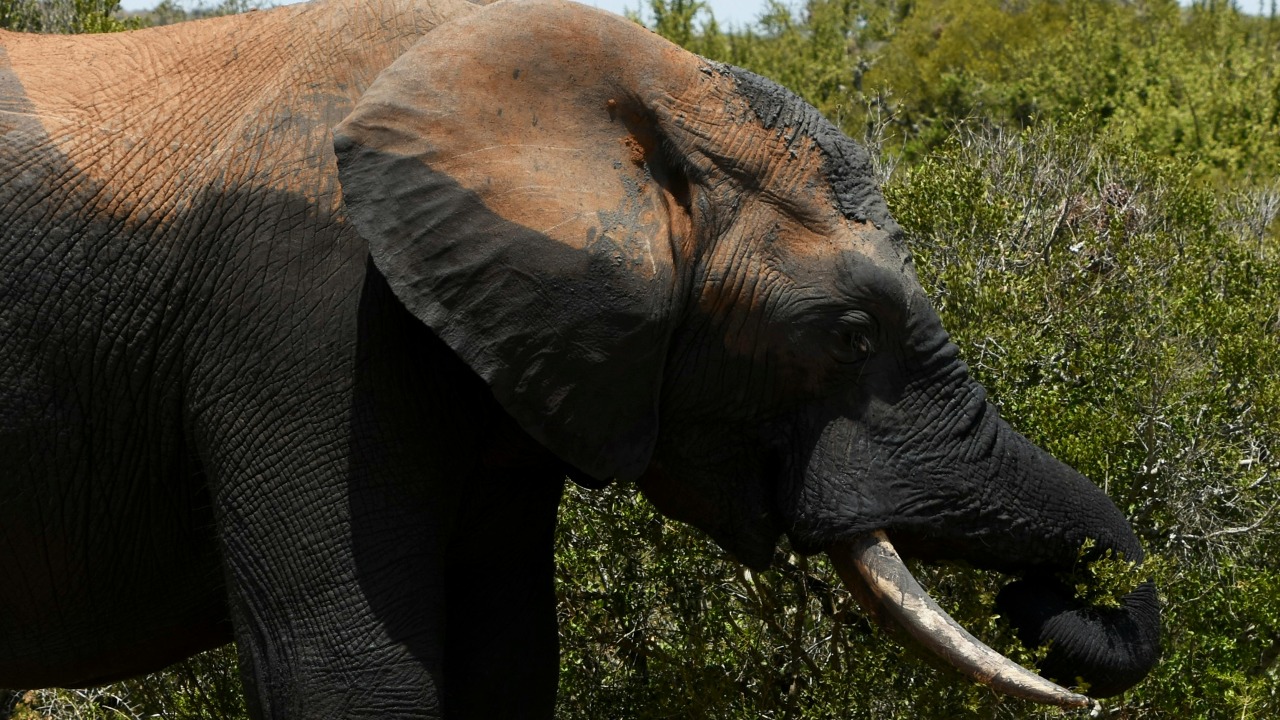
South Africa - Kruger National Park

South Africa - Kruger National Park

One of the most accessible African safari for seniors—direct flights from NYC, excellent infrastructure, world-class lodges, and spectacular Big Five viewing without the complexity of East Africa.

3.0
Major rest camps have basic medical facilities; private lodges have emergency protocols. Nearest comprehensive hospitals are in Nelspruit/Mbombela (1-2 hours from most camps). Medical evacuations available but remote location requires planning. Ask for specific unit numbers—Skukuza's bungalow 131 is documented as fully roll-in accessible. Fly into Skukuza or Hoedspruit instead of doing the long Johannesburg road trip. Be upfront about manual vs power chair, transfer ability, and bathroom needs so they assign the right vehicle and room. Epic Enabled and Wheel the World have already audited the accessibility—let them handle the logistics if you don't want to verify every doorway measurement yourself.
3.0
Yes
South Africa has a complex racial history, but post-apartheid tourism infrastructure is generally welcoming. Johannesburg and Pretoria have established Black expat communities. Staff at SANParks camps and private lodges reflect South Africa's diversity. Consider connecting with South African tourism groups that focus on Black travel experiences for additional community insights.
Yes
South Africa has the most progressive LGBTQ+ legal protections on the African continent, including marriage equality. Major cities (Johannesburg, Cape Town) have visible LGBTQ+ communities. Safari lodges and tour operators are professionally inclusive. Rural areas may be more conservative in social attitudes, but tourist-facing businesses maintain welcoming standards.
Physical Demand Rating 1 - Minimal (sitting, watching, no physical effort)
Journey Complexity Rating 1 - Very Easy (domestic, same day arrival, direct flights)
Best Season to Visit May-September (dry winter season—animals concentrate around water sources, vegetation is thinner for easier viewing, cooler temperatures, lower malaria risk)
Typical Duration 3-7 days (3-4 days minimum to experience different camps and wildlife areas; 5-7 days ideal for relaxed pace with rest built in)
Accessibility Accessibility # Kruger National Park: Your Wheelchair-Accessible African Safari Is Real Listen—if you've been told you can't safari in a wheelchair, whoever said that hasn't been to Kruger. South Africa didn't just add a ramp and call it accessible. They built the infrastructure from the ground up. You can absolutely do this. ## What an Accessible Kruger Safari Actually Looks Like Real talk: most game viewing happens from vehicles on paved or well-maintained roads. No bumpy bush tracks required. Specialist safari trucks have hydraulic lifts—you roll on in your own chair, they secure it with tie-downs, and you're watching elephants and lions without transferring out of your wheels. The focus is vehicle-based wildlife viewing plus accessible rest camps with paved pathways. Not walking safaris. Not someone carrying you. Actual infrastructure designed for wheelchairs. ## SANParks Rest Camps: Accessible Accommodations That Work South African National Parks publishes a list of adapted units in their major rest camps. Here's what you need to know: **Skukuza** (the largest camp) and **Satara** (legendary for big cat sightings) both have wheelchair-accessible safari bungalows with smooth paths throughout camp. **Lower Sabie** has the most accessible units overall, plus unisex wheelchair-accessible bathrooms in the camping area. Standard setup: brick-paved roads around camp, step-free or ramped entrances, roll-in showers with grab rails, accessible picnic areas. Some camps have specific units travelers swear by—like Skukuza's bungalow 131 for full roll-in access. **Other accessible options:** Letaba and several bushveld camps also have adapted units with the same features. ## Tour Operators Who Actually Understand Accessibility If you want someone else to handle the logistics: **Epic Enabled** runs multi-day Kruger safaris using wheelchair-adapted trucks with lifts. You stay in your own chair during game drives and can move around the vehicle for better views. They work with both manual and power chair users, book accessible accommodation, and build rest time into the itinerary. **Wheel the World** offers Kruger-focused group trips where accessibility is audited end-to-end—they handle equipment assistance, transfers, and room selection. This is your route if you don't want to self-manage every bathroom measurement and doorway width. ## Private Lodges Built Around Accessibility In Greater Kruger (the private reserves sharing unfenced borders with the national park), two lodges made accessibility their foundation: **Ximuwu Lodge** in Klaserie Private Nature Reserve: level pathways everywhere, step-free common areas, fully accessible rooms and bathrooms, pool lift, adapted game viewers, accessible transfer from Hoedspruit Airport. Accessibility is their entire business model. **Sabi Sabi Bush Lodge**: travelers report near-complete accessibility, a solid boarding platform for safari vehicles, harnesses for upper-body support. Smaller, more luxurious, highly supported experience right on the Kruger ecosystem. ## What to Share When You're Planning Be specific about your needs: manual or power chair? Can you transfer? What are your bathroom requirements? How's your endurance? Share this information with operators and lodges before you book so they can assign the right vehicle and room. Look for properties that explicitly mention roll-in showers, grab rails, and paved paths. Ask for specific unit numbers when possible—other wheelchair users have documented which bungalows actually deliver. Consider flying into Skukuza or Hoedspruit and arranging accessible transfers instead of doing a long road journey from Johannesburg. ## The Bottom Line Kruger isn't "accessible for a safari." Kruger is genuinely accessible, full stop. Between SANParks infrastructure, specialist operators, and dedicated lodges, you can watch the Big Five without anyone improvising your accommodations or acting like they're doing you a favor. Your African safari isn't a compromise. It's the real thing—lions, elephants, leopards, and all—exactly as it should be. And you deserve every minute of it.

Both South Africa's Kruger National Park and neighboring Sabi Sands private reserves offer the easiest entry point for African safaris. You'll see the Big Five (lion, leopard, elephant, rhino, buffalo) from comfortable vehicles with expert guides handling all logistics.

WHY IT'S SENIOR-FRIENDLY

  • Sitting-based: 3-6 hours daily in padded seats with step stools provided
  • Direct flights: NYC to Johannesburg (15-17 hours), then 1-hour flight or 4-5 hour paved highway drive
  • Flexible schedules: Skip drives when tired, no penalty
  • Excellent medical facilities: Johannesburg has world-class hospitals; Nelspruit 1-2 hours from lodges
  • All-inclusive options: Meals, drives, laundry service included
  • Many lodges offer ground-floor rooms and accessible paths
  • Private vehicle options available (control bathroom breaks and pace)

GETTING THERE

Flight: Direct on South African Airways NYC→Johannesburg (15-17 hours) Time zone: 6 hours ahead of EST (manageable adjustment) Onward: 1-hour flight to Kruger Mpumalanga Airport OR 4-5 hour drive on paved roads Total door-to-door: 20-24 hours

STRATEGY: Arrive Johannesburg, stay 1-2 nights to recover from jet lag (airport hotels easy), then continue to Kruger area. Start safari Day 3 with afternoon drive only.

Kruger National Park Rest Camps: Budget-friendly, basic but accessible government-run camps and one of the best lodges by accessibility.

WHAT TO EXPECT

Morning drives start 5:30-6am (coffee/tea provided), return 9-10am for brunch Afternoon drives depart 3:30-4pm, return by 7-8pm for dinner Vehicle: Raised Land Cruiser with 2-3 step climb (assistance provided) Duration: 2.5-3 hours per drive with stops You can skip any drive - no pressure

MEDICAL REQUIREMENTS

  • Yellow fever vaccine: NOT required for US→South Africa direct
  • Malaria prophylaxis: Required (discuss with doctor - some seniors can't tolerate Malarone)
  • Travel insurance with medical evacuation: Essential
  • Stable chronic conditions okay with proper medication management

COST RANGE

  • Budget: Kruger rest camps $100-200/night

RED FLAGS

  • Bumpy roads can aggravate back problems - test with 2-hour rough car ride at home first
  • Dust significant during dry season - bring mask/scarf if respiratory sensitive
  • Remote locations = 2-6 hours to hospital
  • Must be able to climb 2-3 steps into vehicle even with assistance

KIM'S INSIDER TIPS

Start with South Africa, period. Kenya and Tanzania are more complex journeys. Master this first, then consider East Africa for trip #2.

Spend the money on premium economy for the long flight. Your body will thank you, and you'll actually enjoy the safari instead of spending 2 days recovering.

Book private vehicle if budget allows ($100-300/day extra). Control bathroom breaks, photo stops, and pace. Worth every penny.

Don't safari on arrival day. You traveled 24 hours - REST. Good lodges build in arrival-day recovery.

Best time: May-September (dry season, better wildlife viewing, less malaria risk). Avoid December-February (wet, hot, animals dispersed).

Similar listings in category

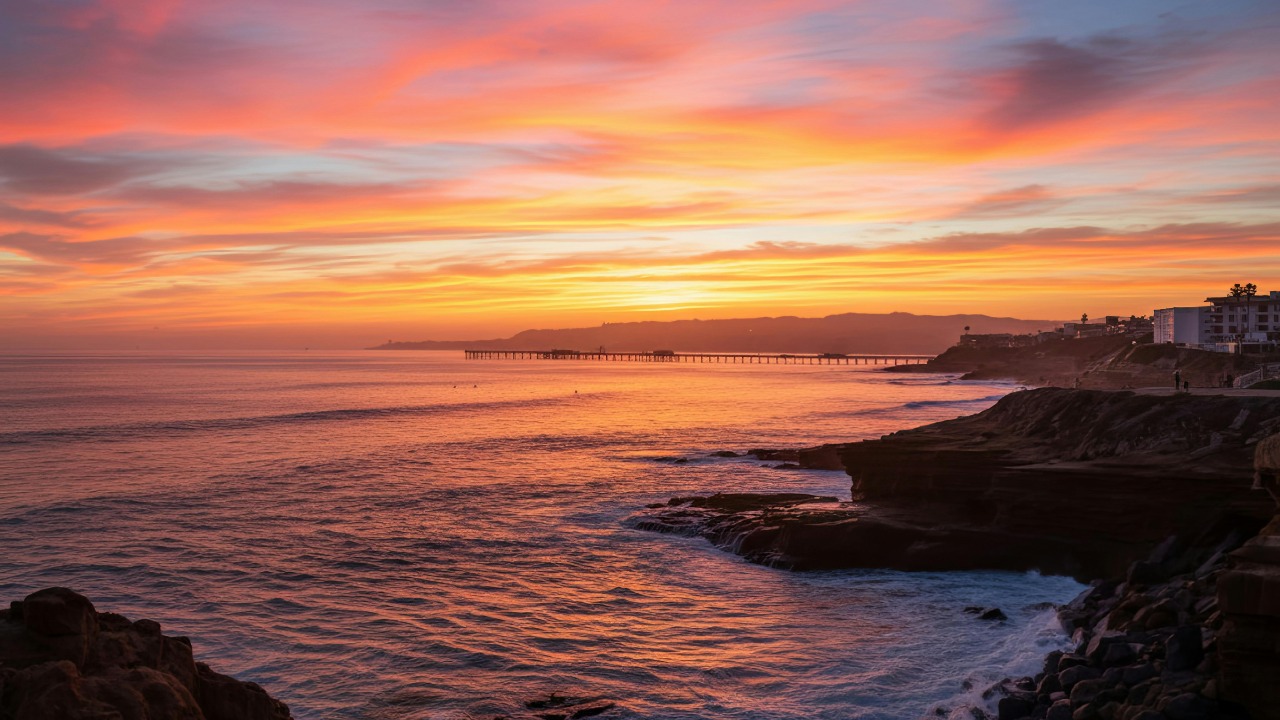
Let me tell you why San Diego keeps showing up on every "best places to retire" list—and why it works just as well for a visit. The weather here is ridiculous. In the best way. Mild year-round, rarely too hot, almost never cold. You can plan outdoor activities without checking the forecast obsessively. But here's what really matters for us: the main tourist areas are flat. The Embarcadero waterfront, Balboa Park's central paths, Coronado's beachfront, La Jolla Shores—all paved, all have benches, all let you rest when you need to without feeling like you're holding anyone up. San Diego actually has an official Age-Friendly Action Plan. The city thought about us. Walkability, transportation, outdoor seating—they built it into their planning. That's not nothing. The medical infrastructure here is genuinely excellent. UC San Diego Health and Scripps are nationally ranked systems. If something happens, you're in good hands. The only catch? It's expensive. This is California, after all. But seniors get reduced transit fares and some museums offer free or discounted days. You can make it work with planning. Bottom line: If you want beautiful weather, flat walking paths, world-class healthcare nearby, and a city that actually thinks about older adults—San Diego delivers.


Solo Safety Rating
Value Rating
Kim's Insider Tips Get a PRONTO card for transit. Seniors get reduced fares on MTS trolleys and buses. The trolley is clean, easy to use, and connects downtown to Old Town, the airport, and other key areas. Way less stressful than renting a car and dealing with California traffic. Start at Balboa Park, but pace yourself. It's huge—1,200 acres with museums, gardens, and the famous zoo. Don't try to see it all in one day. Pick two or three things, take the free tram between areas, and sit in the gardens when you need a break. La Jolla Shores is easier than La Jolla Village. The village is charming but has some hills. The Shores area is flatter with a gentle beach, grassy parks, and accessible paths. Better for limited mobility. Book harbor cruises in advance. The one and two-hour cruises from the Embarcadero are perfect for seniors—you sit, you see the skyline, you rest your feet. But they fill up, especially on weekends. Don't wait until you arrive. Coronado Ferry is a hidden gem. Take the ferry from downtown to Coronado instead of driving or taking a taxi. It's cheap, scenic, and drops you right near shops and restaurants. The ride itself is part of the experience. Carry layers. San Diego's famous weather can still surprise you. Morning fog burns off into warm afternoons, then evenings cool down near the water. A light jacket you can stuff in your bag solves everything.
Medical Infrastructure Rating
Black Community Resources San Diego has a longstanding Black history and a visible Black population, with community life especially concentrated in southeastern neighborhoods and around Black-owned businesses. Many Black travelers report being able to find connection and familiarity fairly easily once they know where to look. That said, this is still the United States. The same structural issues — including profiling and racial bias — can exist here, so situational awareness and choosing neighborhoods intentionally still matters. Each year, Juneteenth celebrations in San Diego (often held in places like Memorial Park or downtown) highlight Black culture through music, food, vendors, and community gathering. Visitors can also plug into NAACP San Diego, Black-led churches, and local arts organizations for connection beyond tourism.
LGBTQ+-FRIENDLY LGBTQ+-FRIENDLY
LGBTQ+ Community Resources LGBTQ+ Community Resources Hillcrest is one of the most established LGBTQ+ neighborhoods on the West Coast, and San Diego is widely recognized as an LGBTQ+-friendly destination. San Diego Pride, held each July, includes a large parade and festival centered around Hillcrest and Balboa Park, drawing hundreds of thousands of attendees. Pride also supports year-round community programming, including events and spaces that are welcoming to older adults. For many travelers, the overall tone is open, visible, and well-integrated into city life.
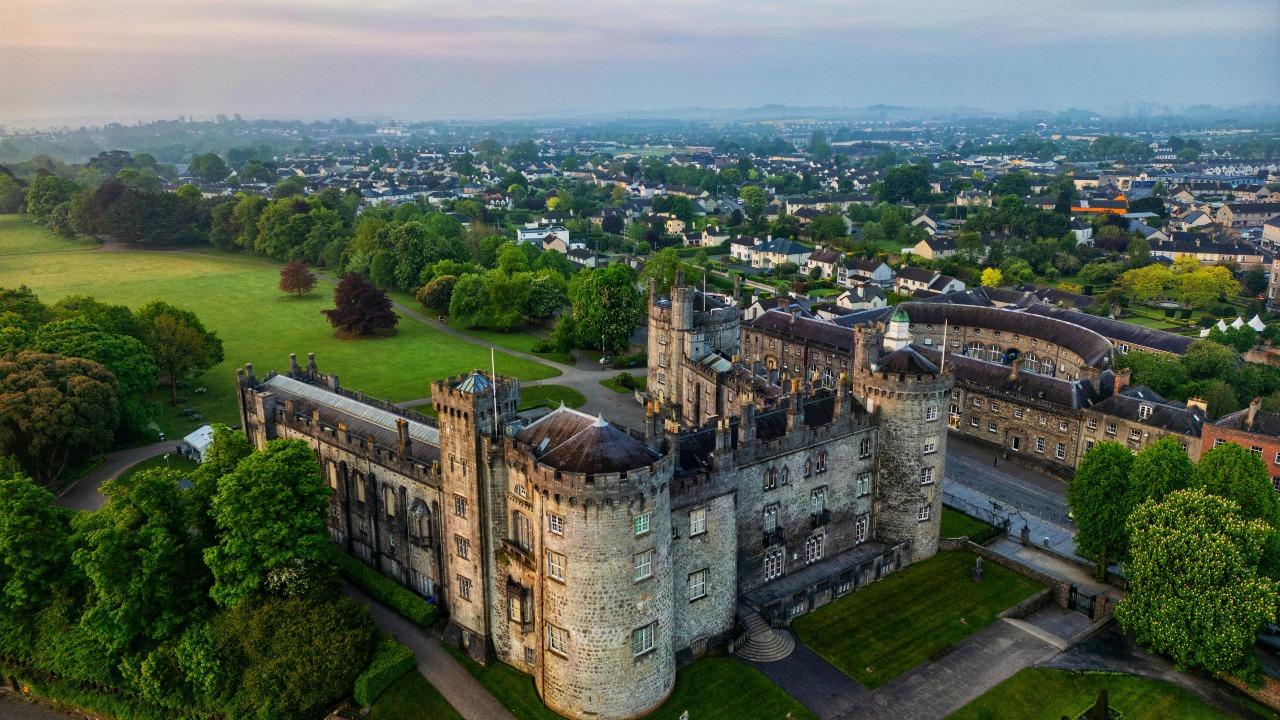

Kilkenny is one of the best cities in Ireland for senior travelers. It's not just marketing—the World Health Organization officially named it Age Friendly. Ireland leads the world in making cities work for older people, and Kilkenny shows exactly how it's done. What Makes Kilkenny Special Kilkenny was Ireland's first city to get Age Friendly status from the World Health Organization. The county has a group of older people who help make decisions about local policies. That means the city is built around what seniors actually need, not what someone guessed they might want. The old part of town is small and easy to walk. Most shops, cafés, and places to see sit along a mostly flat stretch called the "Medieval Mile." It runs between Kilkenny Castle and St Canice's Cathedral. If you walk slowly or use a cane, walker, or wheelchair, this setup works perfectly. Kilkenny Castle: Your Home Base Kilkenny Castle is a must-see. The castle has 52 acres of parkland and gardens that are mostly flat. You'll find good paths, plenty of benches, and even an accessible playground. The castle itself has wheelchair access and accessible bathrooms. You can spend a whole afternoon here without wearing yourself out. The Whole County Gets It Right Even the small towns nearby understand what seniors need. Thomastown (also in County Kilkenny) fixed their sidewalks, added better lighting, put in more seating, and built age-friendly bus shelters. This shows you what to expect across the whole region—not just in the main city. Ireland Does This Better Than Most Places Other Irish spots like Dublin, Killarney, Adare, and Kenmare also work well for older travelers who want accessible, low-stress trips. Ireland's network of Age Friendly Towns is used as an example around the world for how to make communities work for older residents and visitors. When you travel to Ireland, you're going to a country that actually thinks about what you need.

Solo Safety Rating
Value Rating
Kim's Insider Tips Base yourself within a 5–10 minute walk of Kilkenny Castle so you can treat that flat castle park as your daily "backyard" for gentle strolls, people-watching, and easy picnic breaks between activities. Pair a short, guided Medieval Mile walking tour (to minimize navigation stress) with a relaxed afternoon in the castle gardens or along the River Nore. Plan at least one slow day with just coffee-hopping and park time. You're not here to check boxes—you're here to breathe.
Medical Infrastructure Rating
Black Community Resources Ireland's smaller cities have limited but growing Black communities. Kilkenny is known more for its welcoming small-town atmosphere than for large Black cultural spaces, so expect friendliness but relatively low visible diversity compared to Dublin. For deeper Black cultural connection, pair Kilkenny with time in Dublin, where you'll find more diverse neighborhoods, events, and community-based groups.
LGBTQ+-FRIENDLY LGBTQ+-FRIENDLY
LGBTQ+ Community Resources LGBTQ+ Community Resources Ireland has strong national LGBTQ+ protections, marriage equality, and visible Pride events. Small cities like Kilkenny generally reflect this accepting climate even if the local scene is low-key. If you're seeking vibrant queer nightlife or community events, combine Kilkenny with Dublin, Cork, or Galway, and use Kilkenny as your calm, comfortable base with low overt hostility.