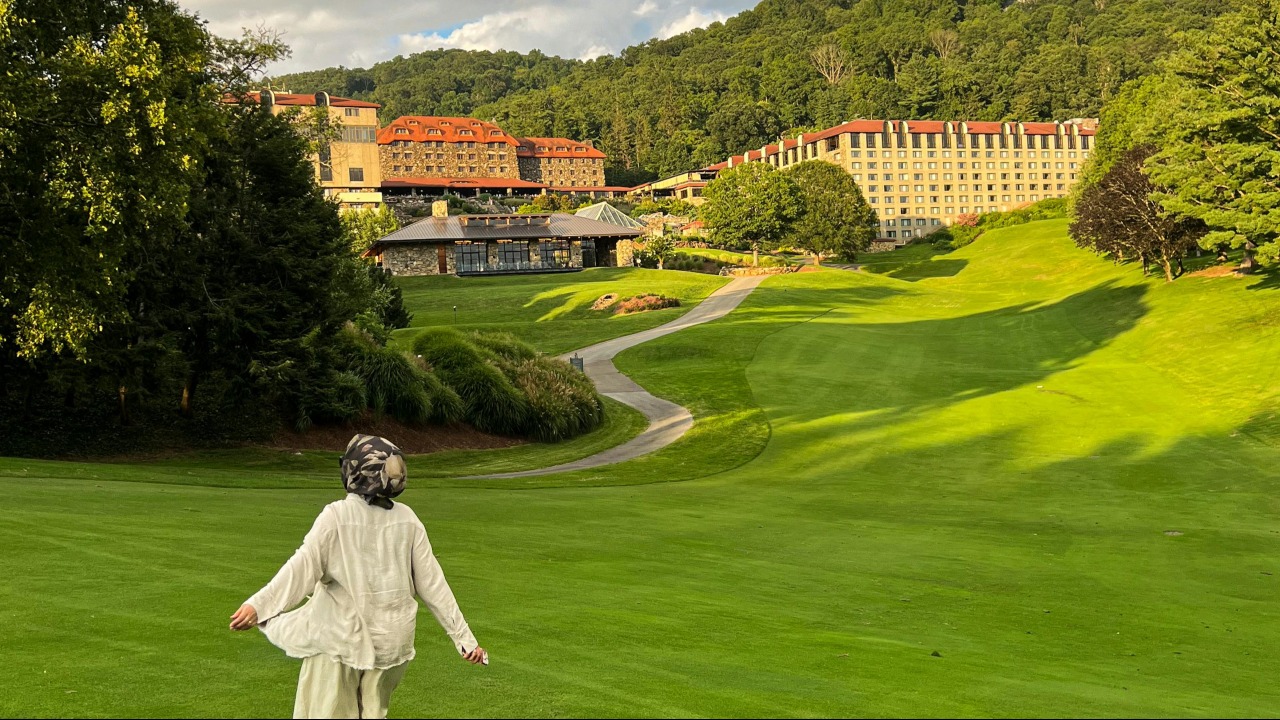
Asheville can be a lovely choice for travelers 60+ who enjoy mountain scenery, arts and culture, and good food — and who are reasonably mobile and comfortable navigating a small city. It’s not difficult, but it does require awareness. Hills, uneven sidewalks, and some ongoing downtown “quality-of-life” issues mean Asheville works best for seniors who like walkable neighborhoods with a plan, not spontaneous wandering. Asheville offers a compact downtown, four-season mountain beauty, and a strong arts and food scene that appeals to older travelers who prefer shorter walks, interesting neighborhoods, and meaningful local culture over long driving days. The city has been investing in pedestrian improvements through its “Close the GAP” initiative, which focuses on building and upgrading sidewalks, crossings, and greenways to be more ADA-compliant. That’s progress — but it’s still a work in progress. Central Asheville is often described as very walkable on paper, and if you stay in the right spot, many restaurants, galleries, and shops are close together. The reality is that hills, cracked sidewalks, and missing curb ramps still exist in places. The farm-to-table food scene is real—30+ craft breweries, James Beard-recognized restaurants, and weekly farmers markets. You won't struggle to eat well here. Another strong plus: excellent medical care. Mission Hospital is a regional trauma and stroke center with geriatric services, which matters when you’re traveling at 60+. Generally safe city with a walkable, flat downtown core. Visible street ambassadors patrol the center. Main risks are panhandling (not dangerous, just persistent) and car break-ins. Stick to well-lit areas after dark and you'll be fine. Asheville is generally polite and welcoming to Black visitors, but the Black population is small and representation is limited. Most Black seniors feel comfortable visiting, not singled out — just don’t expect a strong sense of cultural community. Bottom line: Asheville works best for seniors who enjoy walkable neighborhoods, scenic day trips, and want reliable healthcare nearby — and who are comfortable being a little selective about where and when they walk.